


>>I am brazilian and I speak portuguese, so forgive my english, I’ll use translator tools to help<<
INTRO:
First of all, I would like to thank my friend Geraldo Rocha, aka TUTI, who lent me the IEM for review, if weren’t for him this review wouldn’t be possible. TUTI is one of the biggest supporters in the Brazilian audiophile scene, so thank you so much my friend! A big hug!
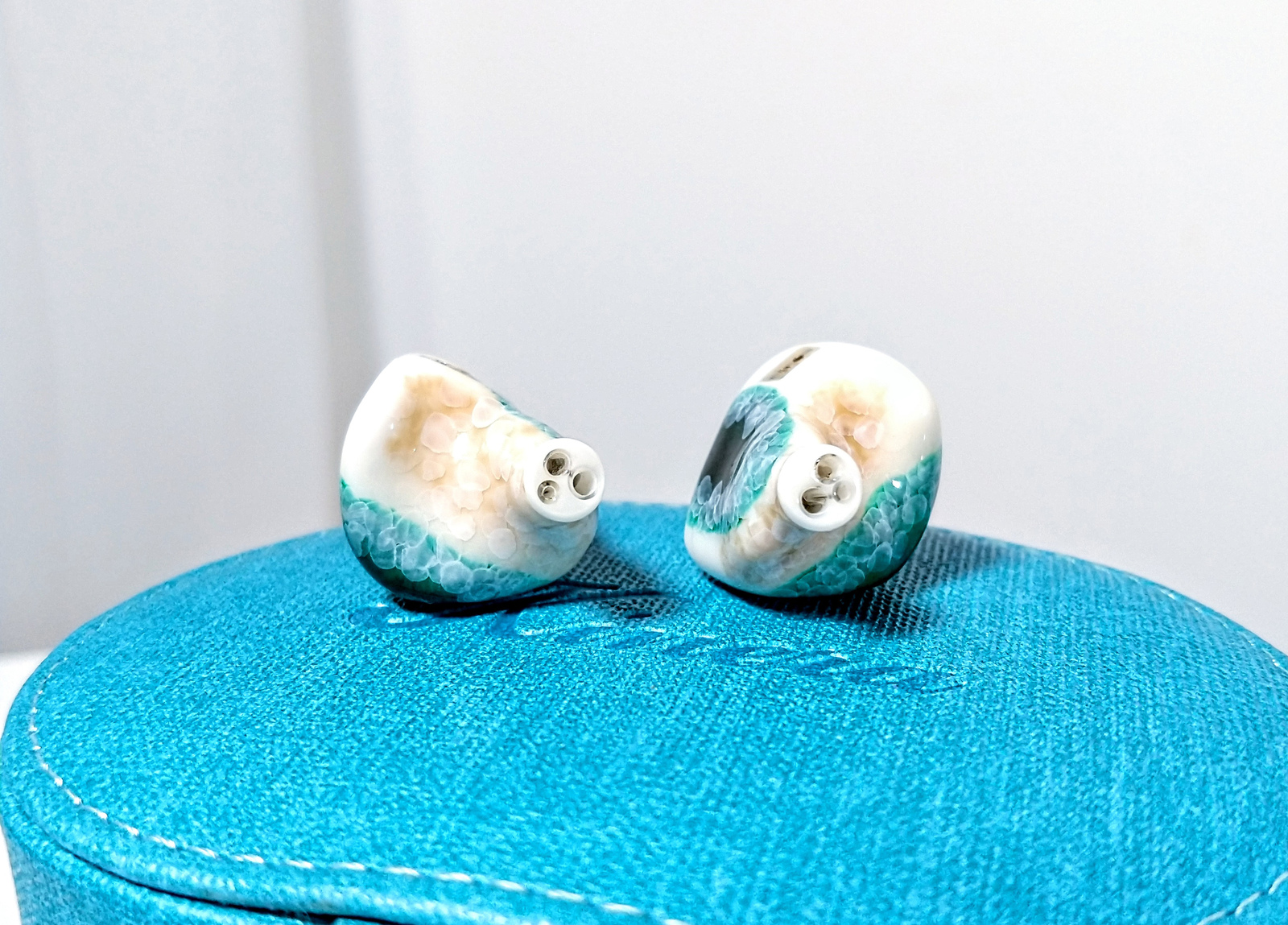
Kinera Audio is back again on IEMs and Music, and this time with a very special product, the Kinera Imperial URD. This IEM is special because it’s the highest priced product I’ve ever reviewed, and also because it has electrostatic (EST) drivers, and this is also the first time I’ve had the opportunity to test an IEM with this type of driver.
Previous reviews (only portuguese): Idun Golden
Price: $650 USD
Colors: Green/White
KINERA store:
https://s.click.aliexpress.com/e/_DEMY4tz
SPECIFICATIONS:
Hybrid:
(2) Sonions EST65DB01 (for treble)
(2) 8mm Titanium Coated Diaphragm Coaxial DD (for bass)
(1) Kinera Customize 11021 BA (for mids)
– Frequency Response: 5Hz-50kHz
– Impedance: 20 ohm
– Sensitivity: 107dB±2dB
– Rated power: 3mW
– THD: <2% (1kHz, 100dB SPL)
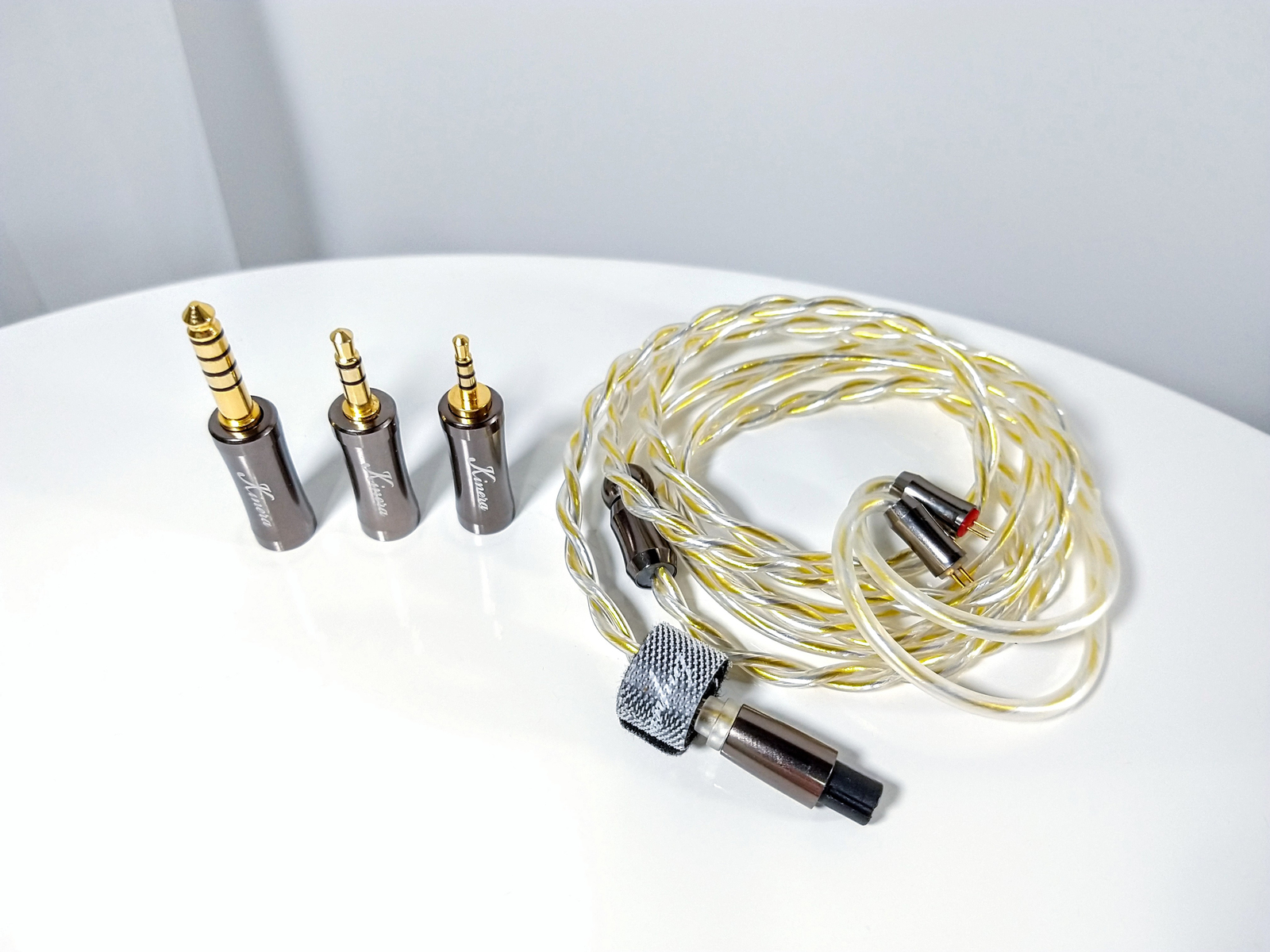
– Modular cable: 2.5mm, 3.5mm, 4.4mm gold plated (straight)
– Cable material: 6N OCC + OCC with Silver Plated + OCC with Gold Plated Cable
– Cable size: 1.2m±0.5m (detachable)
– Connectors: 2pin 0.78mm
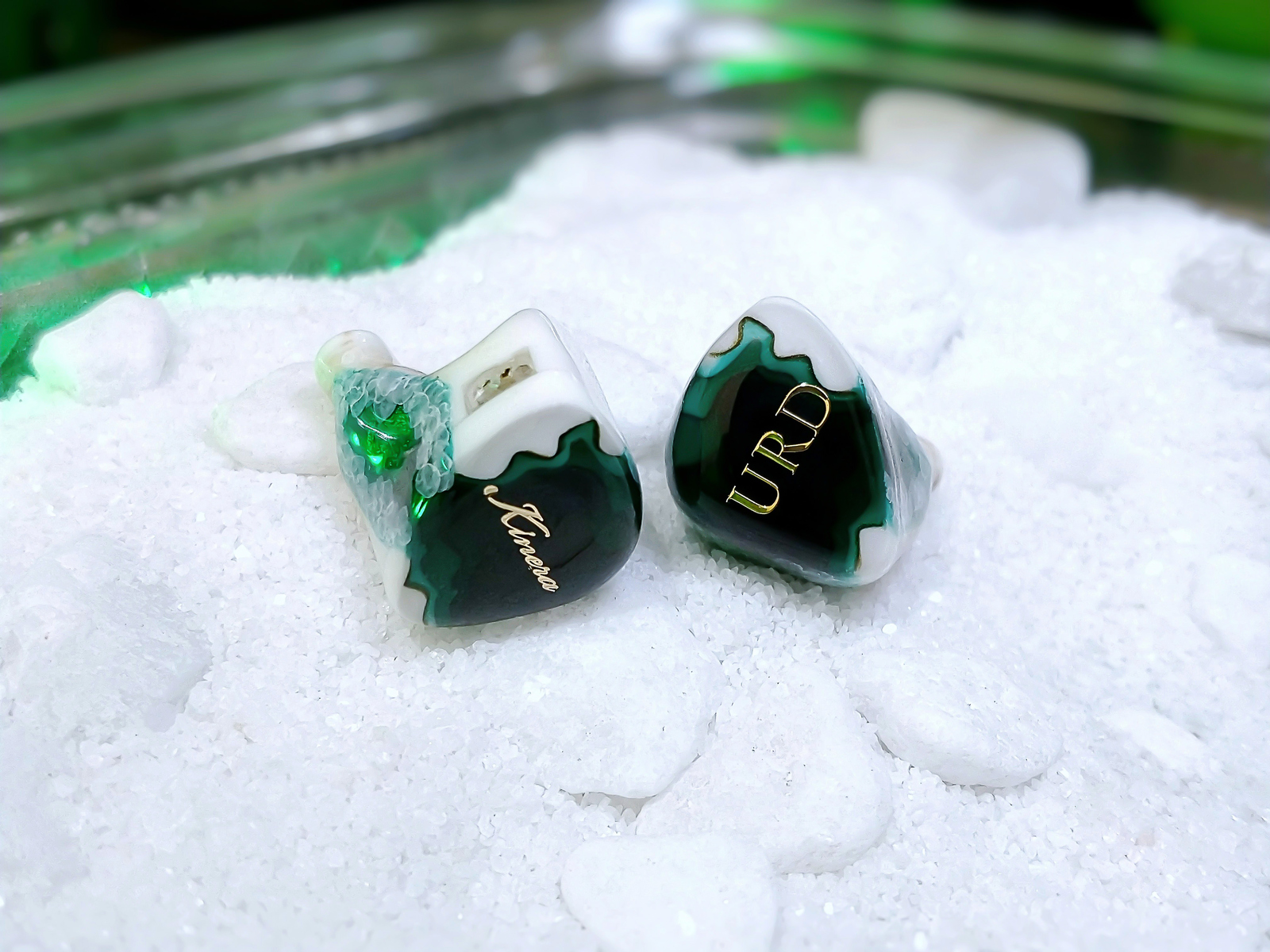
– Shell material: 3D resin
– Nozzle: 6.23mm
– Weight: 5.5g


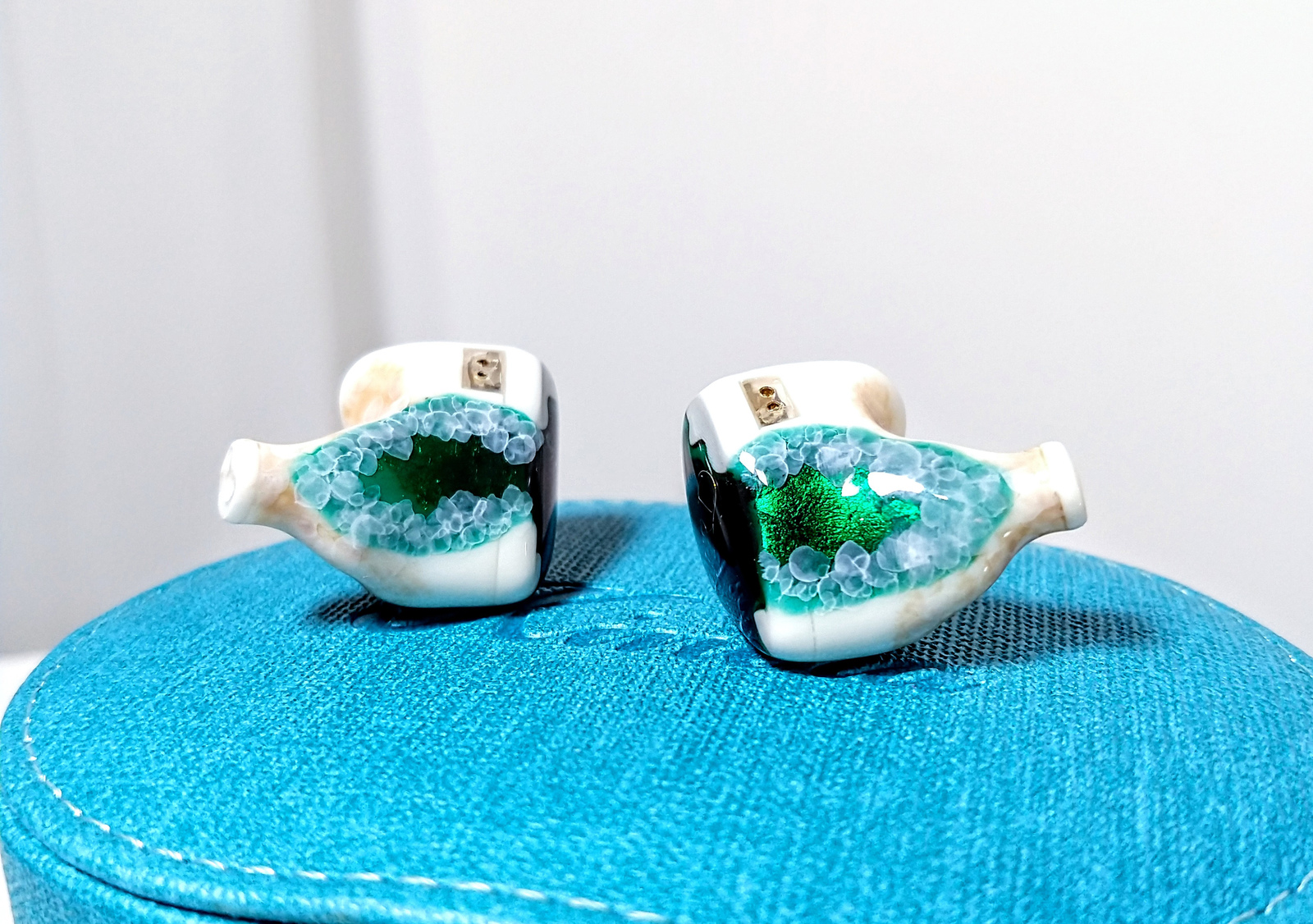
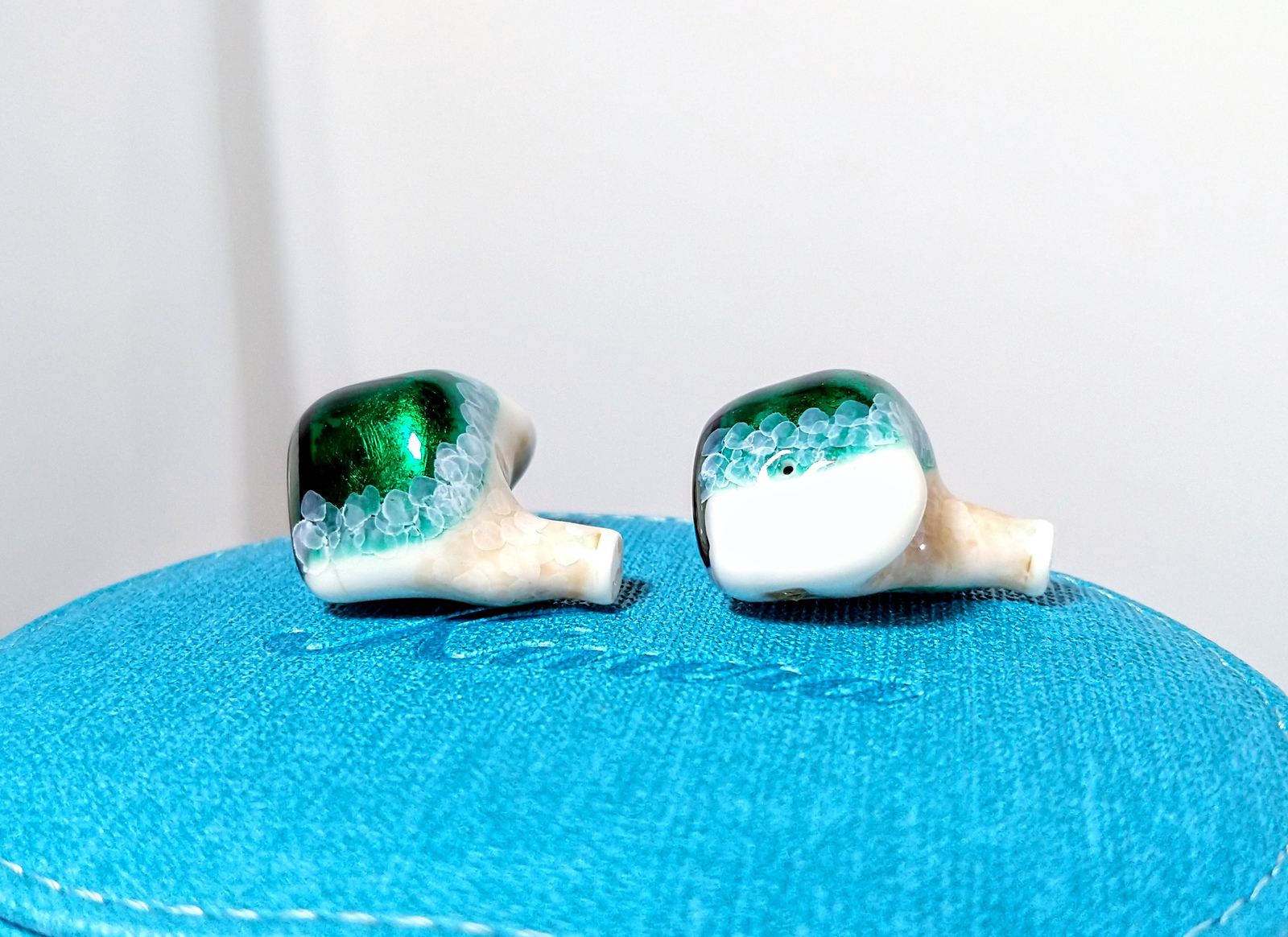
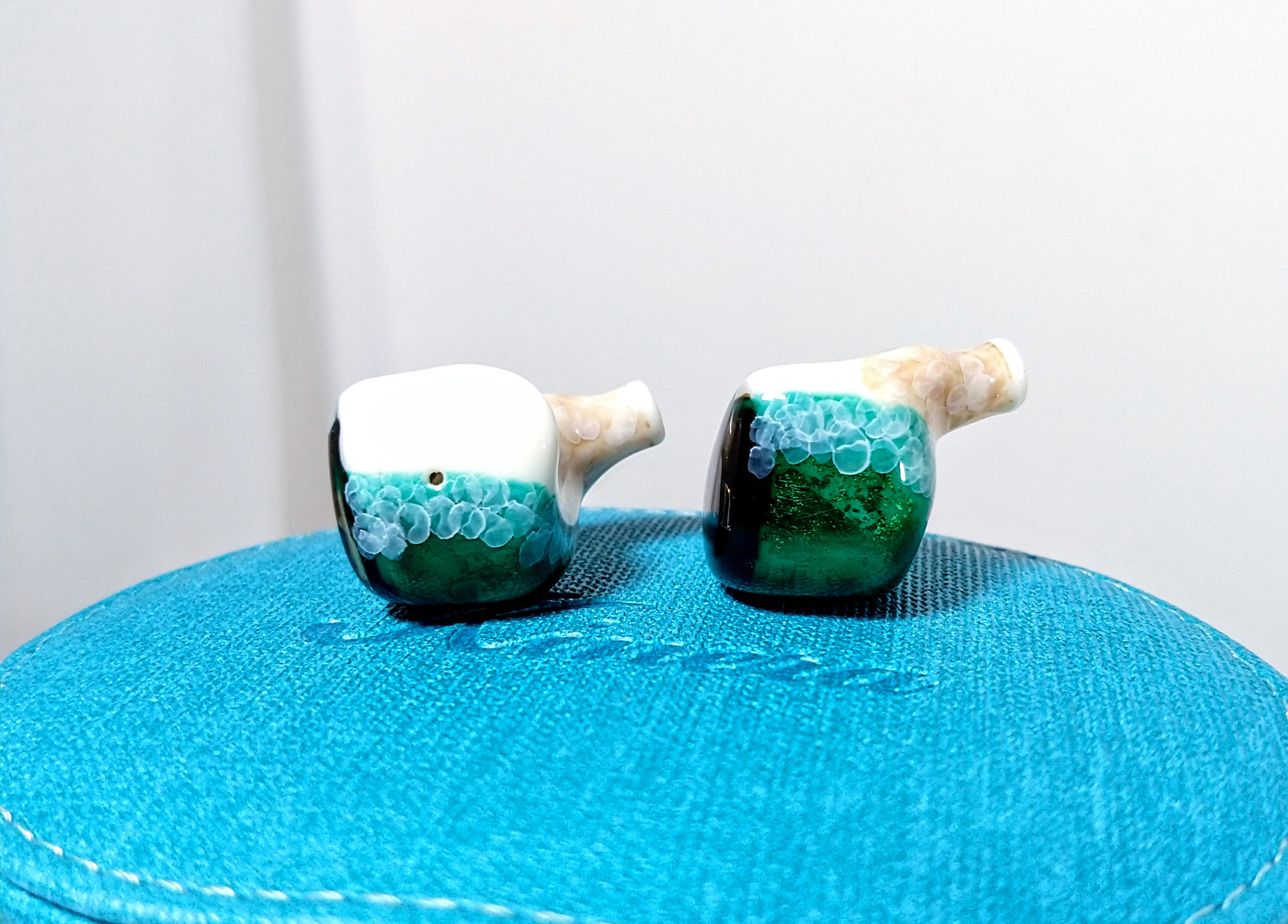
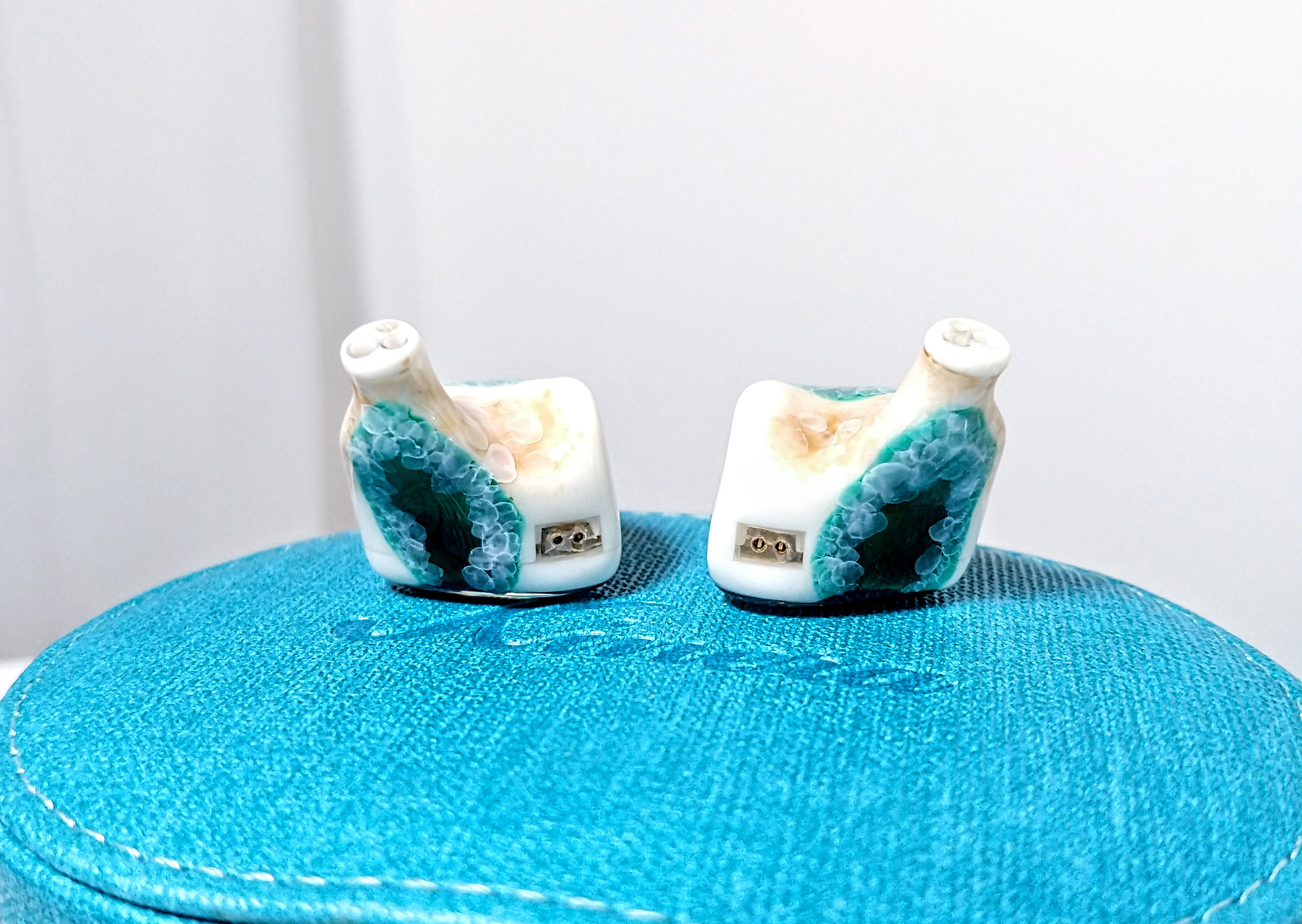

PHYSICAL ASPECTS:
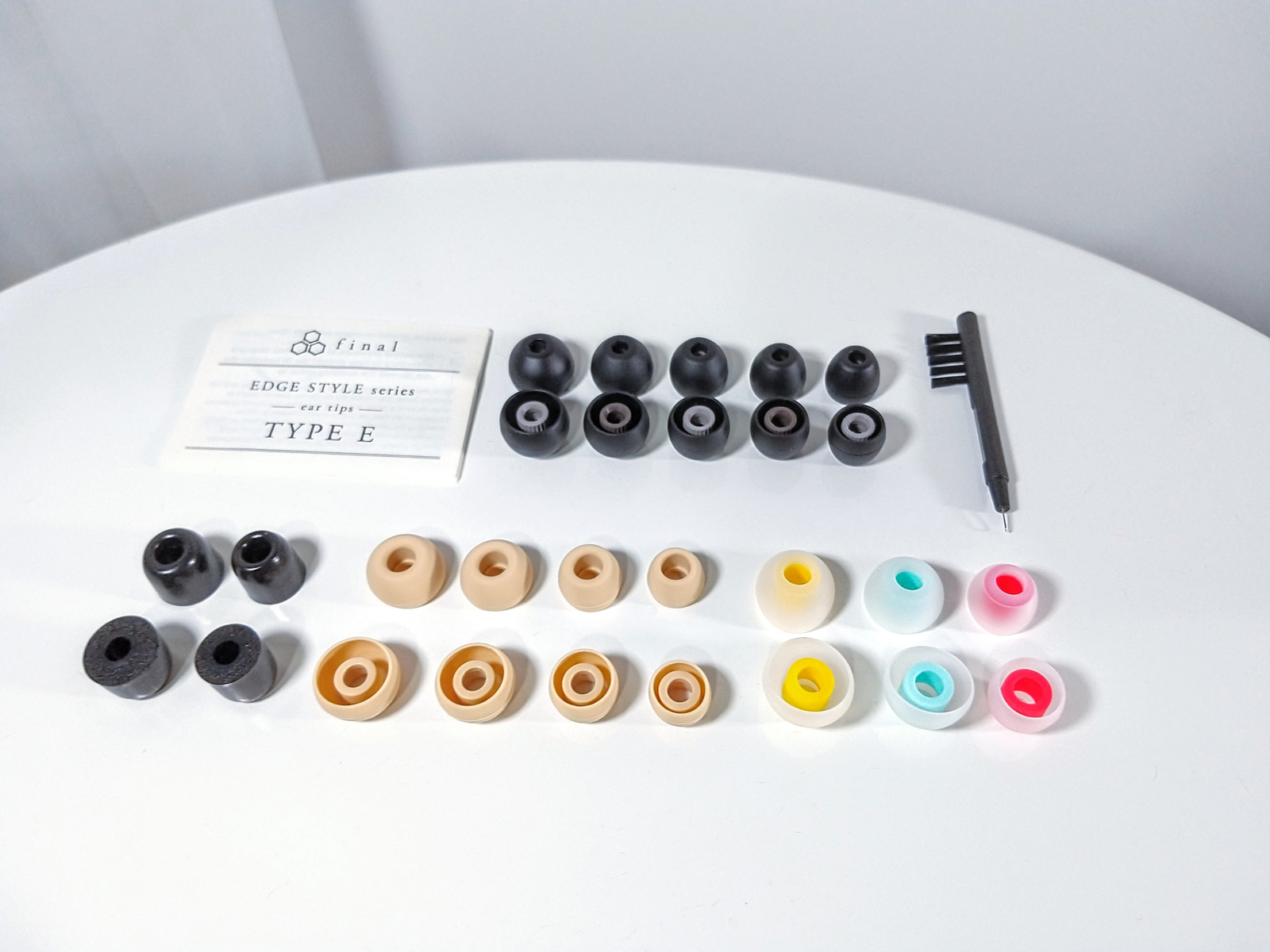
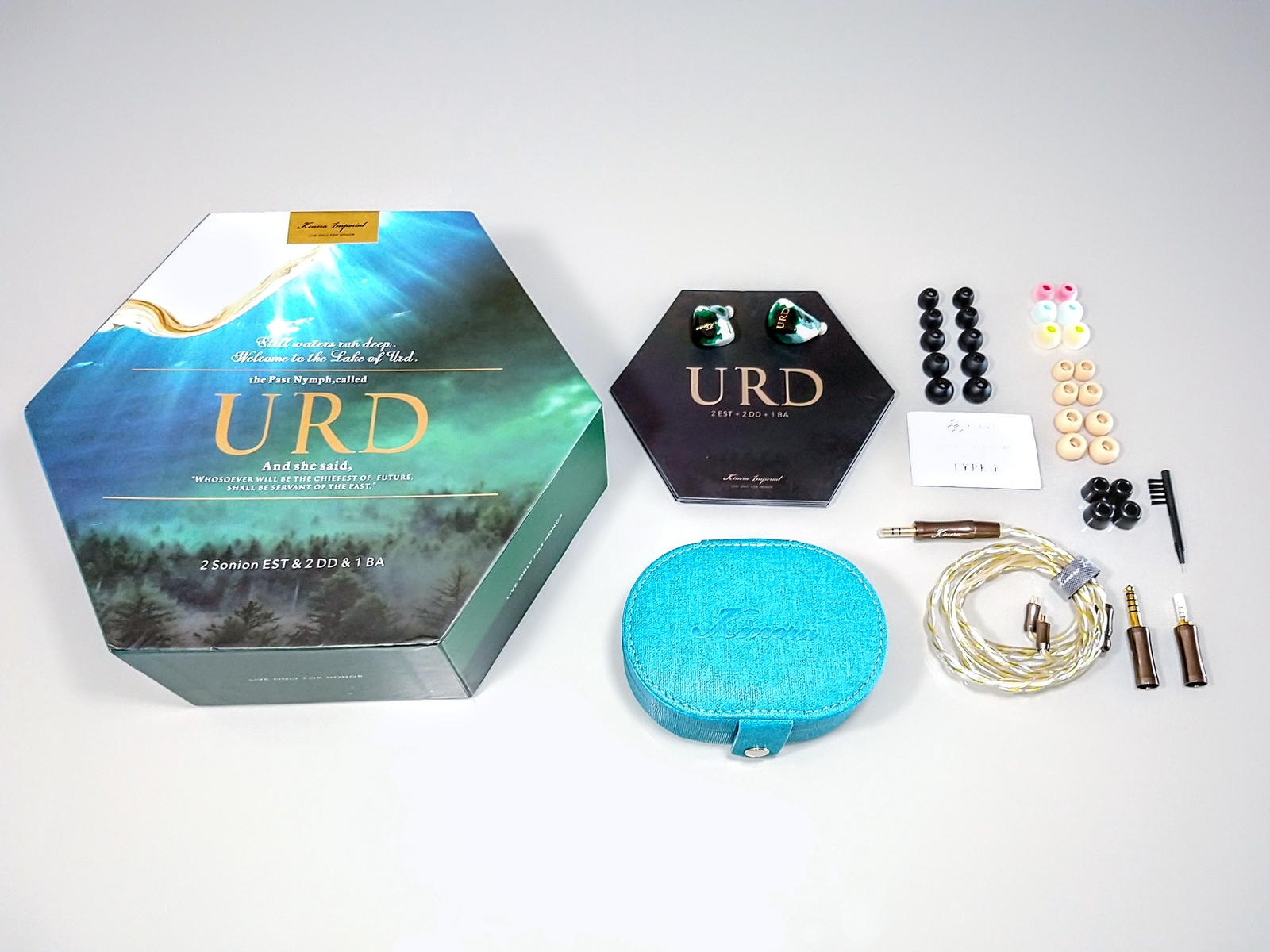
Eartips. The kit came very plenty, the configuration of the eartips included are these:
- Final Type E Eartips : SS/S/M/L/XL
- Foam Eartips: S/M
- K-07 Balanced Eartips (Red, Green, Yellow): S/M/L
- K-285-02 Vocal Eartips: S/M/L/XL
I was looking forward to testing these Final E eartips, this is the first time I’ve had contact with them. However, something unusual happened here… But calm down, it was just a matter of disconnection between the eartips and the earphone. I’ll explain what happened to the Final E eartips in the next paragraph.
At first I thought I would do the evaluation with them, but in practice, they didn’t fit well on the IEM, that’s because the nozzle is very smooth and doesn’t have that lip at the end, so the Final E slides through the nozzle and only gets stuck for a small part at the end. Unfortunately, this cause a “mismatch” between the eartips and the IEM, impacting in the perfect fit and also giving a sound that isn’t “correct” (in my opinion).
For example, in case of the fit, this situation generated an increase in the size of the IEM (nozzle + eartips), making the IEM more protruding in my ears. I’ve tested it with all available Final E sizes and this happened to all of them. Therefore, Final E was not used for the sound evaluation (yes, hard to believe).
But this situation has nothing to do with the eartips itself, cause the Final E are great, the issue here was the fixation of the eartips in the nozzle, it didn’t match, and that’s my criticism to the product: why put eartips more sophisticated and renowned, if the result wasn’t effective? It looks like there were no tests with the Final E in the IEM, it seems they just placed in the product and that’s it. The intention was good but generate a negative point in the product, including my expectation was frustrated by this (in terms of Final E tips).
I understand that the eartip in this case should be very close to the base (body) of the earphone, then things as: fit, comfort, insulation, and insertion, would be more appropriate (for my ears). I did a quick test with the K-07 size M, but I didn’t like the result very much either, although here this eartip was already OK, possible to be used with the URD, but I wanted more comfort, so I looked for using the FiiO HS18 and I was satisfied with the result (specifically for this IEM).
-The evaluation was made with the silicone eartips FiiO HS18 size G (yes, with these I was able to combine comfort/fitting, without harming the sound). I apologize because I know that the best situation is always to use the stock eartips, but changing eartips exists precisely for that, so that we can achieve a more efficient result for each one.
Cable. Here we have a modular cable with 2.5mm, 3.5mm, and 4.4mm plugs, thus making the IEM able to run in the balanced system (2.5mm and 4.4mm). The cable uses the same modular system as the Idun Golden that I’ve already tested. On the occasion of the Idun Golden, I thought that the system wasn’t very nice because it was very rigid to make the exchanges, in addition to the plugs being very smooth, which made the exchanges even more difficult. Here in the URD, this issue no longer appeared, it was possible to change all the plugs very easily and without much effort. Probably because the IEM has already been used for some time, it ended up getting “softened” in this regard.
Now about the characteristics of the cable: aesthetically the cable could be all silver plated, which for my taste would be more in line with the shells, but anyway, the result wasn’t bad, I was also pleased. It’s a very light cable, easy to roll up for storage, doesn’t tangle easily, and doesn’t have microphonics. The cable only has some “memories” (ripples) in its length, but nothing absurd. It comes with the chin slider, and the piece really does what it promised, it never slides.
Earhooks and connectors. URD’s earhooks are perfect, this is the format I always recommend for an IEM. This tubular format is the most comfortable type of all the models I’ve tested. The URD has detachable 0.78mm 2-pin connectors, which for me is the preferred connector. Not much to point out, just that they don’t have letters to indicate which side should be fitted, the orientation here is by the red color underneath the connector (right side). The body of the IEM also has no indication. However, I think this isn’t a problem, since for the price of the IEM, it’s understood that it is a product for more experienced people in the hobby.
The fit. Was another positive point (we know this is a very subjective topic). I didn’t have any problems with the URD, the IEM has excellent stability, it doesn’t move at all. In fact, it was a little protruding in my ears, just a little bit, even so I still consider the shells as being from medium size. Perhaps for people with very small ears (very shallow ear canals) it’s possible that gets more protruting. I just didn’t got a good fit with the Final E eartips as mentioned in the eartips paragraph, but except this the fit was very good. The insertion of the URD I found from medium to deep. I didn’t get any sensation of internal pressure. The isolation I found very good.
Comfort. One more positive point in the URD (subjective). The IEM is very comfortable – for my ears – it has a semi-custom style design, the resin is of great quality, the IEM didn’t generate any pressure points and also didn’t have any abnormal parts. It’s a very light IEM, it doesn’t seem like it has all that amount of drivers inside. With the FiiO HS18 eartips I was able to increase the sensation of comfort using the URD, I was able to spend a long time listening to the IEM and didn’t feel any discomfort. So this is my tip to you in case you are having issues with the URD, or if you are thinking of purchasing one and already want to know the details beforehand.
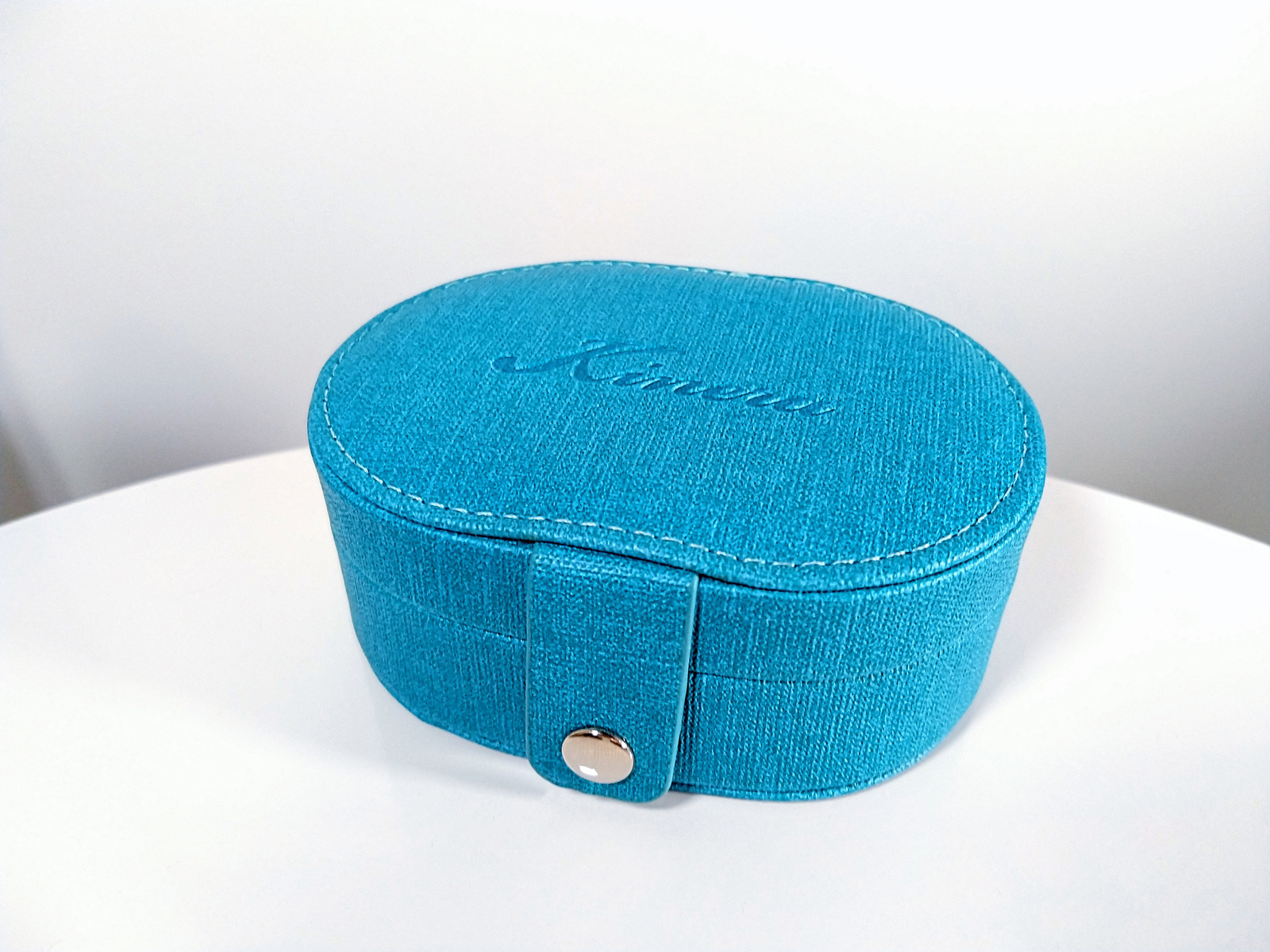
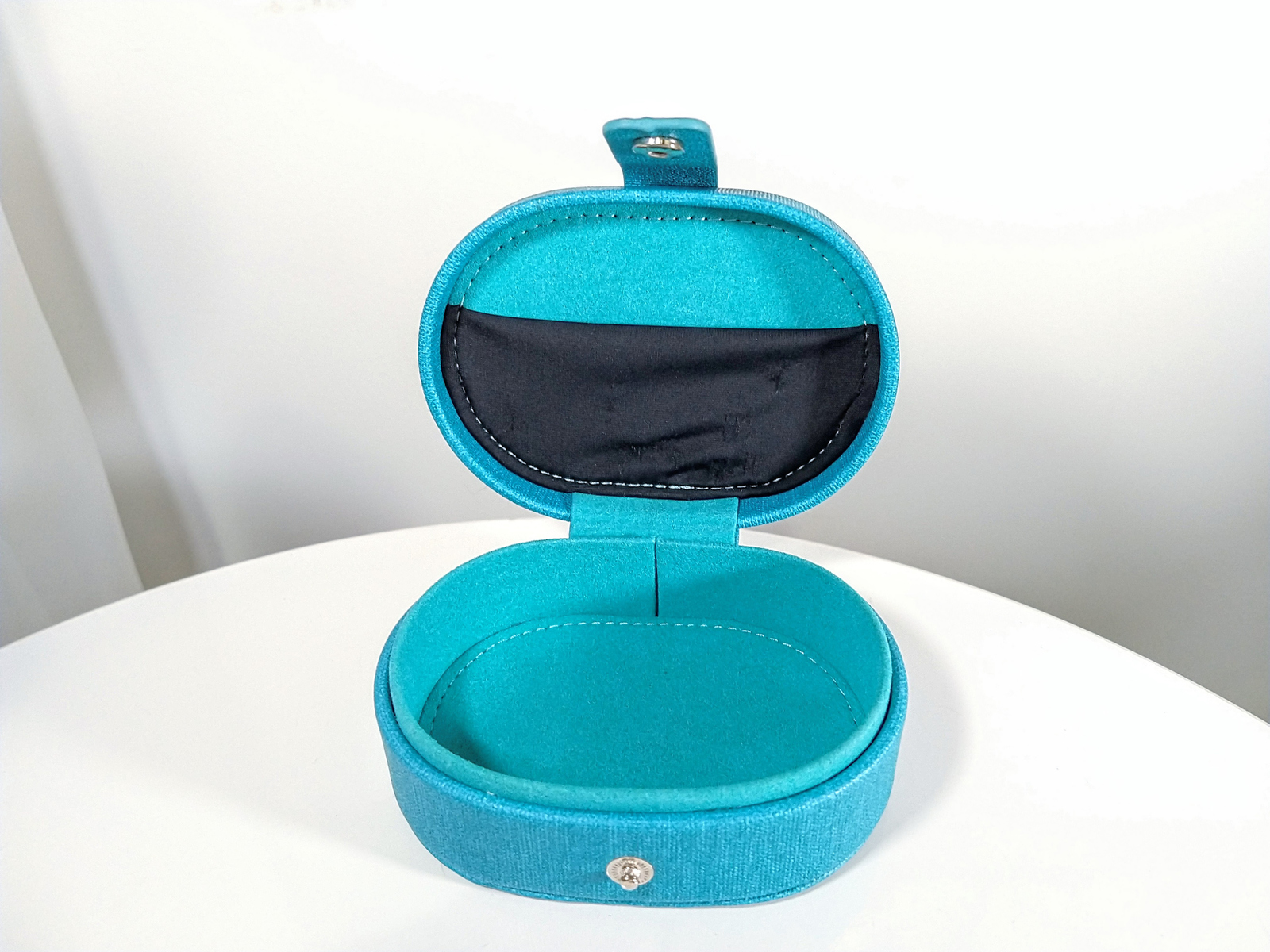
Accessories. The product comes with a very nice and efficient carrying case, it has plenty of space to store the IEM and any other accessories (as well as the modular plugs, eartips, or even a small dongle). It’s a rigid carrying case that has a closure by a pressure button. A cleaning brush was also included.
SOUND ASPECTS:
The Kinera URD was a very difficult IEM to define its sound signature, this IEM is difficult to place within a pre-conceived archetype as reviewers usually say: “this IEM is V-Shape”. But just to guide the reader pal, I would say that the URD’s sound leans towards to a neutral with a slight boost in the low frequencies. I understand that this isn’t an energetic or fun IEM, although it’s not a boring or anemic IEM either. I see the URD as an analytic IEM, in deed not a bright analytic one, but a detailed one, with the qualitative side more predominant than the quantitative side. A very important point in this review is the amplification part, so I suggest that you see the respective paragraph about amplification towards the end of the text.
Let’s open a paragraph to talk about my experience with Kinera URD. This is so far the most expensive iEM I’ve tested, so the expectations are always high. I really liked the IEM, it has a very pleasant tonality for my ears, and its technicalities are excellent. I needed to make some modifications in the eartips and in the amplification to the IEM be perfect (for me). The URD is an IEM that for me has that characteristic of being an all rounder (earphone that goes well with a lot of musical styles), and even though I have a slight preference for energetic IEMs with more bass, I was able to please myself with a lot of genres that I heard here.
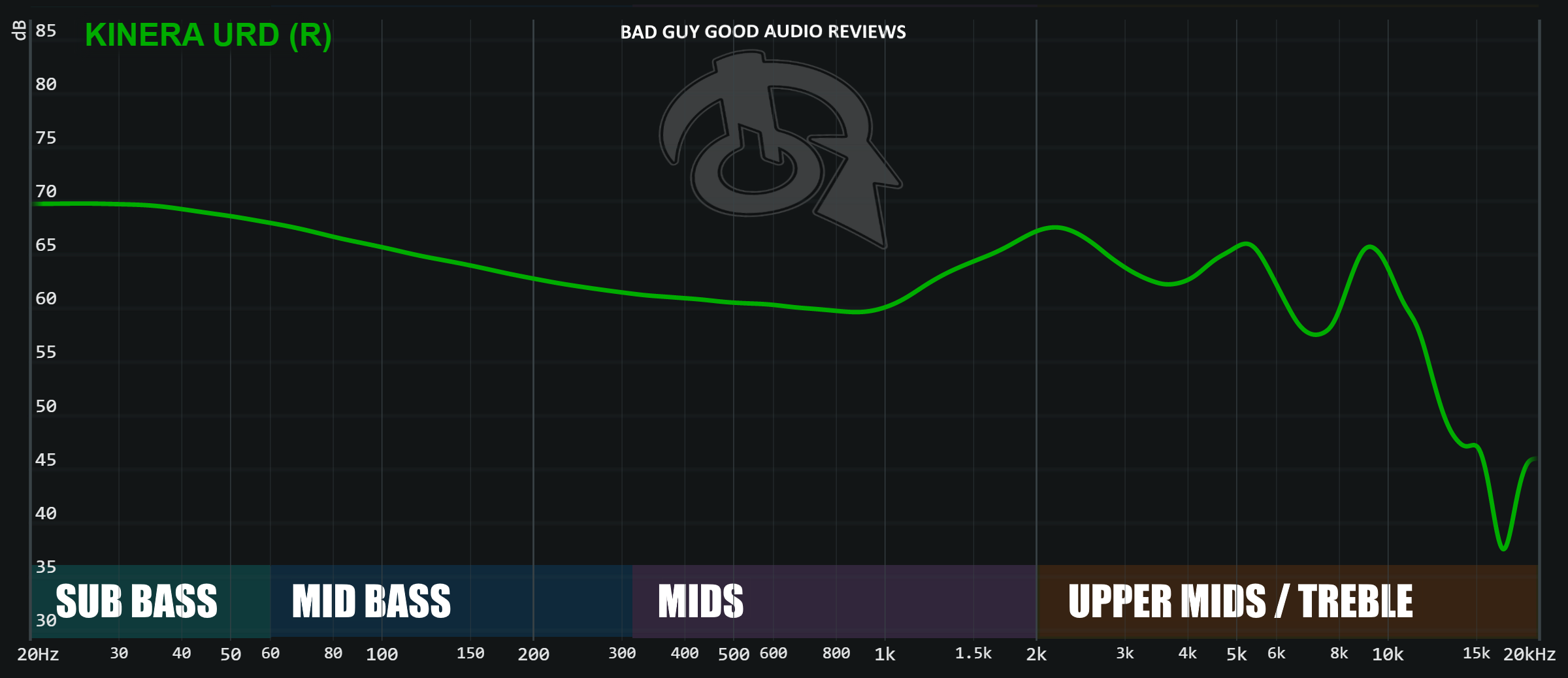
The quantitative of bass from the URD. Here I understood it as an IEM with moderate bass. Certainly when I heard it for the first time – without making the amplification modifications – I understood it as moderate to low – for my taste – but when I made the modifications, then I understood it as a bass that at times sounded moderate and at others it sounded from moderate upwards. Let it be clear that I don’t think this is an ideal IEM for bassheads, the fun bass factor isn’t what the URD intends to do, but I like bass and I was satisfied with the amount I found here. In terms of sub-bass and mid-bass, the URD has a slight extra emphasis on the sub-bass, leaving the mid-bass a little lower, but even so the IEM has mid-bass present, the presentation doesn’t lose the balance. For example, I believe that the Truthear Hexa has even more sub-bass and less mid-bass than the URD, so for you to see that this difference from one region to another in the URD is something very small indeed. The IEM doesn’t have roll-off in this region, the extension is good.
In qualitative terms, the URD’s bass manages to have physicality (but nothing that sounds out of context), it has texture, it has body, it has weight, it has substance, and all this combined with the quantity that was described in the previous paragraph. The impact is certainly not something very strong, and it’s not very “dry” either, like that firmer and more outlined punch, it’s not like that, but it’s not something loose or massive either, it’s in-between, it’s even hard to describe when the characteristic stay between one option and another. The URD’s bass isn’t boomy, it’s not muddy, it’s not muffled, and it doesn’t bleed into the mids. Quite true, they are not the “cleanest” bass I’ve ever heard either, although that doesn’t affect the presentatio, cause even so the quality of the bass in general is very positive. For example, the bass from the Letshuoer S12 I think is “cleaner” than the URD, but I still prefer that kind of bass from the URD over the S12, because the bass from the URD brings more warmth to the presentation, it’s something more engaging (in my opinion). URD’s bass manages to give density to the lowest notes of a piano, manage to extract texture from a bass guitar solo, brings body to the lowest notes of a electric guitar.
URD’s mids. Here, in my opinion, is the star of the show, the midrange of this IEM really deserves to be congratulated. The central mids are slightly recessed and the upper mids gain more prominence and are presented “forward”. The tonality and technicality of this region were very well done (in my opinion), here we have a mixture of smoothness and at the same time frontality, and all of this without sounding distant or aggressive. URD’s mids have a lot of resolution, details, transparency and clarity. Undoubtedly one of the best mids I’ve heard so far. I don’t think the region have a warm sound characteristic, for me it was a balance, something well made, with neither too much presence nor too little presence. Here certainly the amplification I gave to the IEM made a slight difference (I understood that on the positive side). Pianos are excellent in this IEM, the sound of the instrument has a lot of coherence and life, in addition to the excellent definition. I was very satisfied with the result of the instrument when with songs in which the instrument was the main instrument. Violins were also excellent, with a lot of resolution and realistic timbre.
The voices. Another very positive point in the URD. Both types of voices were good here, I was very impressed with how the IEM manages to perform well with both types of voices – male/low and female/high – that is, IEM was excellent for both, an Ed Motta and for an Adele. Usually IEMs always manage to have a better result for a specific type of voice, but here at URD there was no winning voice type, because everything I heard was very good. The IEM manages to extract the texture of the lower and more guttural voices, as well as extracting good potential in clarity and projection with the high and soprano voices. Also highlight for those whispering voices, the URD brings a lot of detail.
Coming to the treble, in quantitative terms, here is the less prominent region on the IEM, the amount in this region I understand as moderate or moderate to low. The frequency response of the IEM already gives a clue that the treble have a roll-off in the higher treble frequencies, thus making the extension a little compromised… In practice, this didn’t impact in the songs that I listen to, and my ears certainly don’t reach 20kHz anymore, so for me it didn’t make much difference, it’s possible to feel that there’s a decrease of activity in the treble, but I could hear everything clearly, just with a little less intensity on some rare occasions. There’s also a warning for people who like a lot of treble, that the URD may “lack” treble for this group of listeners. On the other hand, for those who want a presentation without the risk of fatiguing treble, the URD is highly recommended in this regard.
The URD’s treble in qualitative terms. The quality of the treble is really very good, the treble are controlled, smooth, linear, without peaks, without coloring, the definition is excellent, the details is great (it has a level of micro details). The sparkle is very coherent with the real thing, it has a little energy but that never left the context, at no time it sounded too thin. The treble aren’t shrill, aren’t sharp, aren’t harsh, aren’t fatiguing, and it doesn’t show sibilance. It just doesn’t close with a 10 note because maybe the airy could be a little better. Undoubtedly, the technical quality of the URD’s treble is a highlight of this IEM, and that without having to explore quantity. Hi-hats play with great resolution and without sounding harsh, carillon sound bright without being excessive, mandolin strings play with great detail and precision, triangles and ride cymbals don’t pierce.
Sound stage. The feeling of the sound stage I found very good. The height and width are very good, especially the height, that in certain tracks I had the clear feeling that the sound of some instruments was being presented in a vertical scale, and perhaps the best example to identify this is the drums. , there you have the parts that are below, the middle parts, and the top parts, which are, respectively, the kick drum, the snare drum, and the cymbals. Funny that the drums are also divided into bass (bottom), medium (center), and treble (top). So, I liked this aspect because the sound isn’t transiting only in the horizontal scope. In terms of depth, I think the URD is somewhere in between, because as I said in the midrange paragraphs, it has a dose of forwardness that ends up generating a feeling that the sound is not too far away, but not too close. I believe that the URD isn’t the most spatial IEM I’ve ever heard, the one that the sounds are echoing, but it has a good dose of spatiality, and also like that, too much spatiality can leave the sound “empty”, lost, without a goal.
Imaging. The instrumental separation I thought was excellent. Here is really one of the best parts of this IEM. The URD manages to have a very good definition of the instruments and their respective places. As I always say, I think hybrid IEMs have an advantage in this aspect of separation (of course, the ones that are well made, as is the case with the URD). Stereo imaging is also very good. An example I can give of the quality of the instrumental separation of this IEM is when we listen to classical music, it’s a genre that usually has several instruments playing at the same time in the presentation, and the URD manages to demonstrate each instrument with excellence, nothing is congested. Kinera really knows how to make IEMs that go very well with the aforementioned genre, the Idun Golden was one of the IEMs that I thought performed very well with classical music, it was perhaps the best IEM I heard for that purpose, and now the URD (which is from the same company) managed to go further (remembering that the separation can also vary according to the recording and other processes during the production of the song).
Driver Flex Test. Kinera URD has two dynamic drivers in its composition, so we need to test whether it makes driver flex noise. From my tests here, the URD didn’t show any signs of driver flex during the time I was reviewing the IEM.
Amplification. I used the Questyle M15 DAC/AMP dongle connected to my laptop to do this review. The output used was the 4.4mm balanced and the device with selector in “Gain” mode, that is, with gain activated. The volume used was the 35% level of the 100% available by the Windows volume scale. I started listening to the IEM on the 3.5mm output and without gain, and soon I got that feeling that the sound was “weak”, so as the URD have a modular cable, I quickly changed the plug to the 4.4mm and then the sound had a considerable improvement. Finally, I ended up activating the dongle gain and so I understood that it was the best configuration. For me, the URD is an IEM that scales very well when you connect it to a source that delivers more power. I believe that it may perform not so well if you use weaker sources, such as a smartphone, tablet, notebook, etc. My recommendation is that you have at least one dongle with a balanced output and with a mW level above the trivial (in my opinion). Also remember that this was the way I heard the IEM here, it may be that someone else listens to the IEM of a smartphone and get pleased with the sound that was generated there, it depends on each one.

Music is subjective, so below is the list of some musical genres that I personally think that was better with this IEM. Remember that were only few genres and few artists tested. If I describe that one genre was better and the other don’t, it doesn’t mean that you can’t listen to your favorite music genre with this IEM and love it. So, here goes:
Better:
Classical
Hip Hop
Reggae
EDM
POP
Rock
Blues
Jazz
MPB*
Bossa Nova*
Samba*
*Brazilian musical genres.
Not so much:
Metal

Link da Playlist:
Graphs by HBB:
Thank you so much for being here!
Consider follow us on Facebook and Instagram to get all the news!

 )
)

 IEMs and Music