

>>I am brazilian and I speak portuguese, so forgive my english, I’ll use translator tools to help<<
INTRO:
KIWI EARS continues with its projects at full steam, today we have here for evaluation the Kiwi Ears Quartet. The Quartet is a hybrid earphone that combines dynamic drivers with balanced armatures. The earphone also has a Dip Switch that changes the IEM’s tonality.
The KIWI EARS QUARTET was sent by Linsoul, one of the main distributors of KIWI EARS products, as well as several other brands and audio products. So, I’ll put the product links and those who are interested in know about the KIWI EARS QUARTET, just check the links below.
PS: For those who don’t know, Linsoul is the same DD-Audio Store on AliExpress, so I’ll also put the links to make easier for those who prefer AliExpress.
Previous reviews: Cadenza
Price: $109 USD
Colors: Purple
Cable: Without Mic
LINSOUL store:
https://s.click.aliexpress.com/e/_DnqL8rh
https://s.click.aliexpress.com/e/_DEzABYf
SPECIFICATIONS:
Hybrid:
– (2) 10mm Dynamic Drivers (DD) per side
– (2) Balanced Armatures (BA)
– Config: HIGH + MID + 2DD
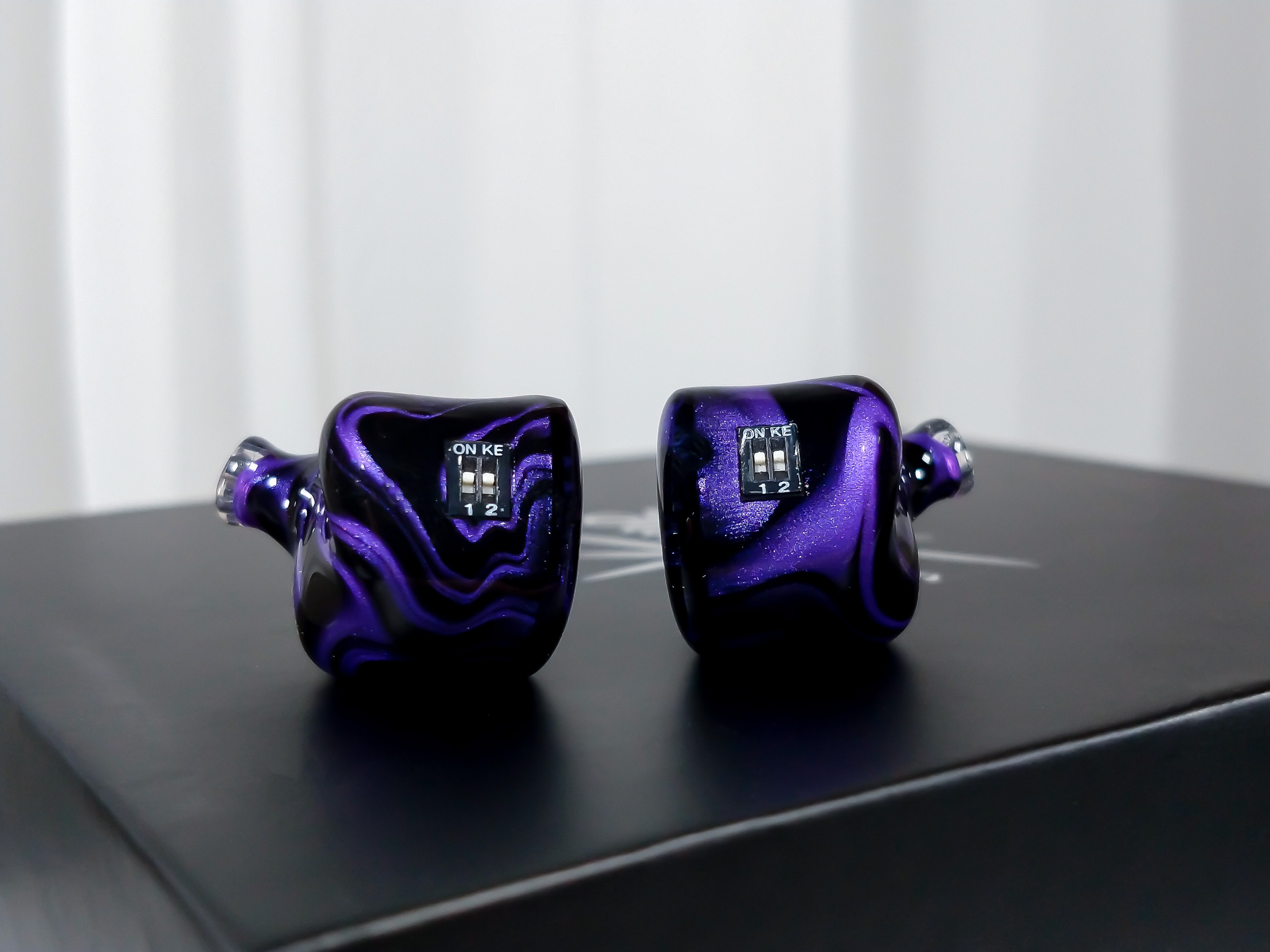
– Dip Switch to change the tuning
– Frequency range: 20Hz – 20kHz
– Sensitivity: 110dB SPL/mW
– Impedance: 32Ω
– THD: 0.3%
– Termination Plug: 3.5mm (straight design)
– Connectors: 2pin 0.78mm
– Cable size: 1.2m±5% (detachable)
– Cable: OFC copper
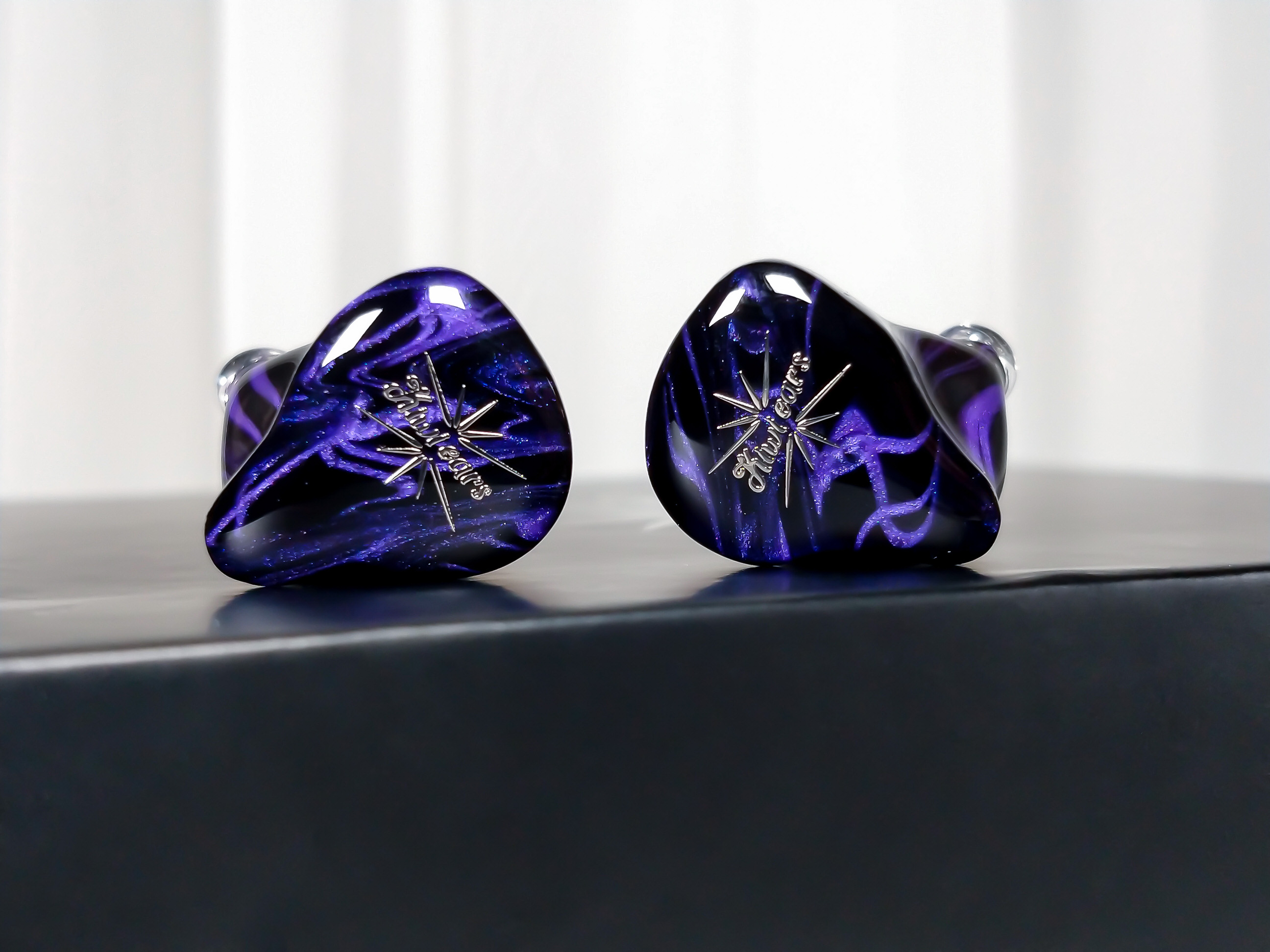
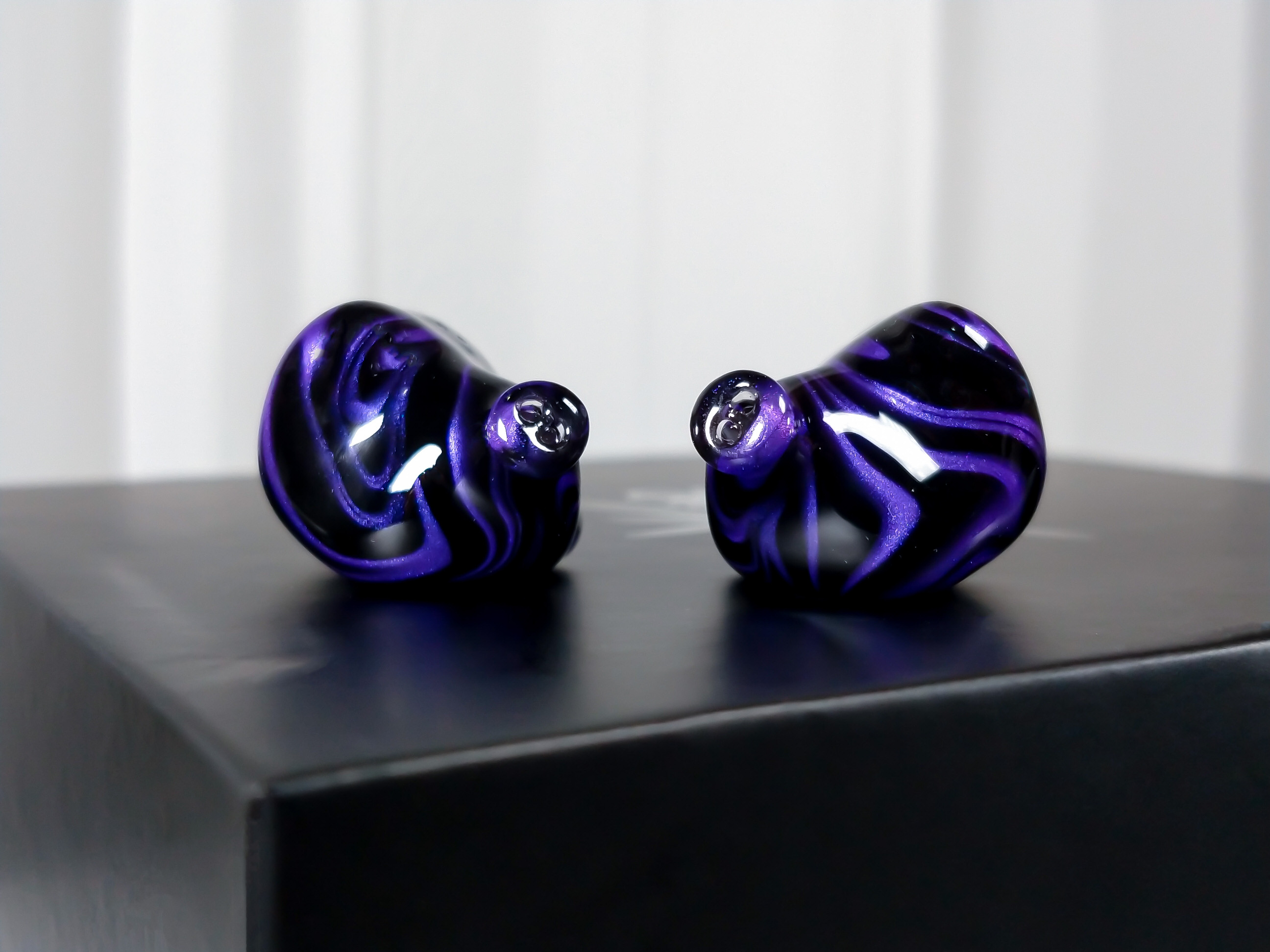
– Shell: 3D Resin
– Earphone weight: 4.1g (one side)(without eartips)
– Cable weight: 18.3g
– Total weight (packaging, iems, etc): 236g
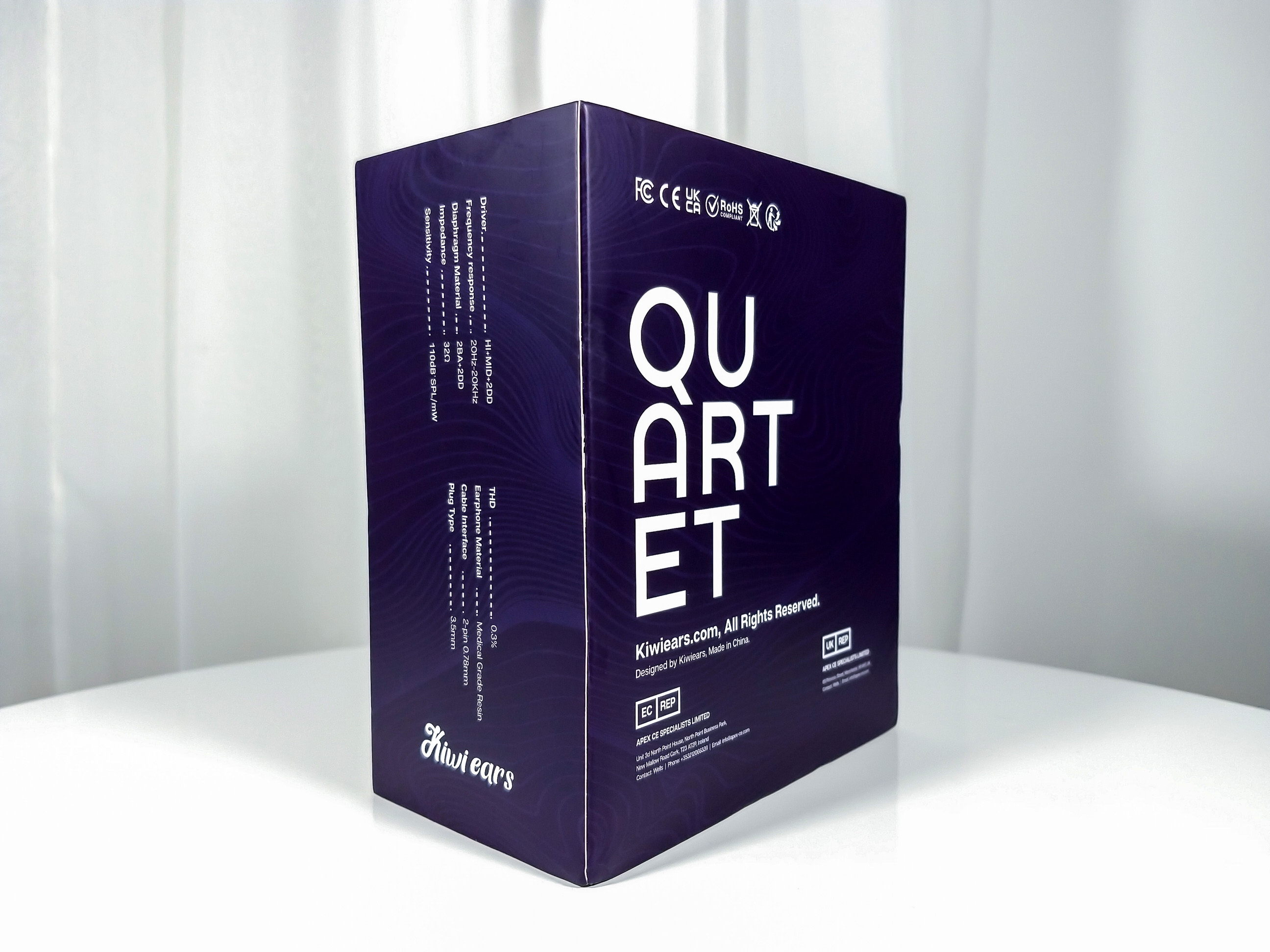
– Packaging size: 13.2cm [H] x 11.3cm [W] x 6.5cm [D]

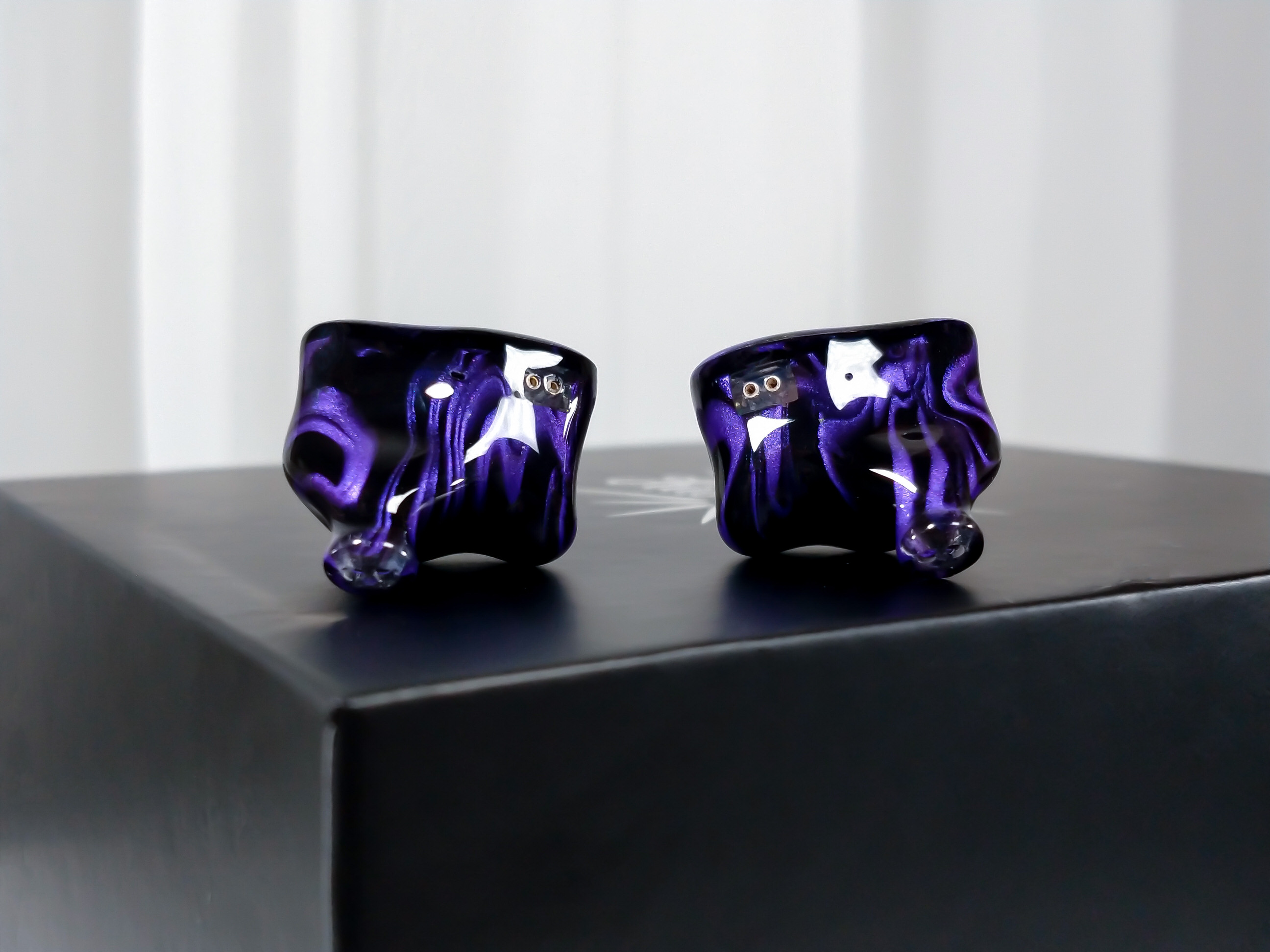
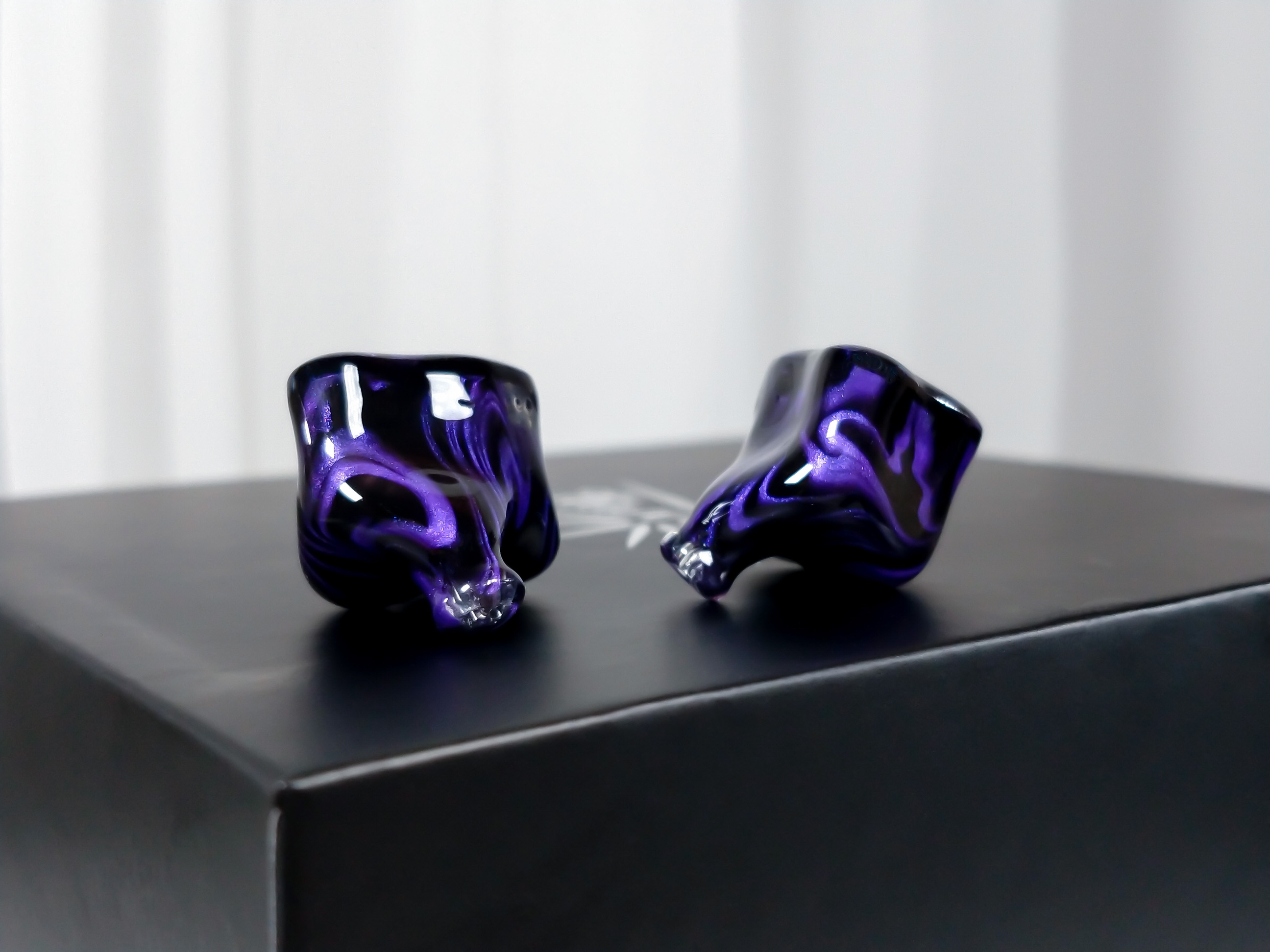
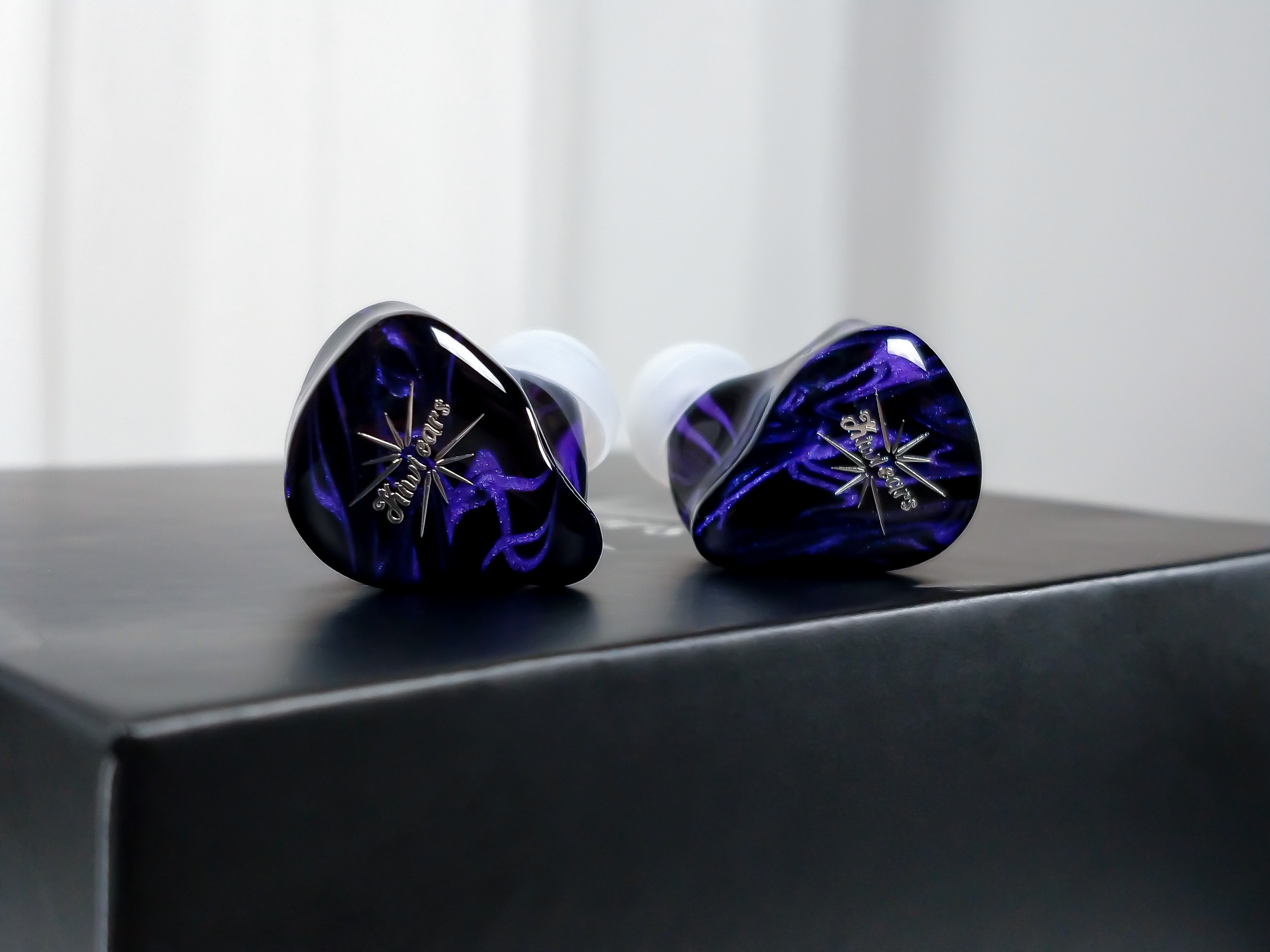
PHYSICAL ASPECTS:
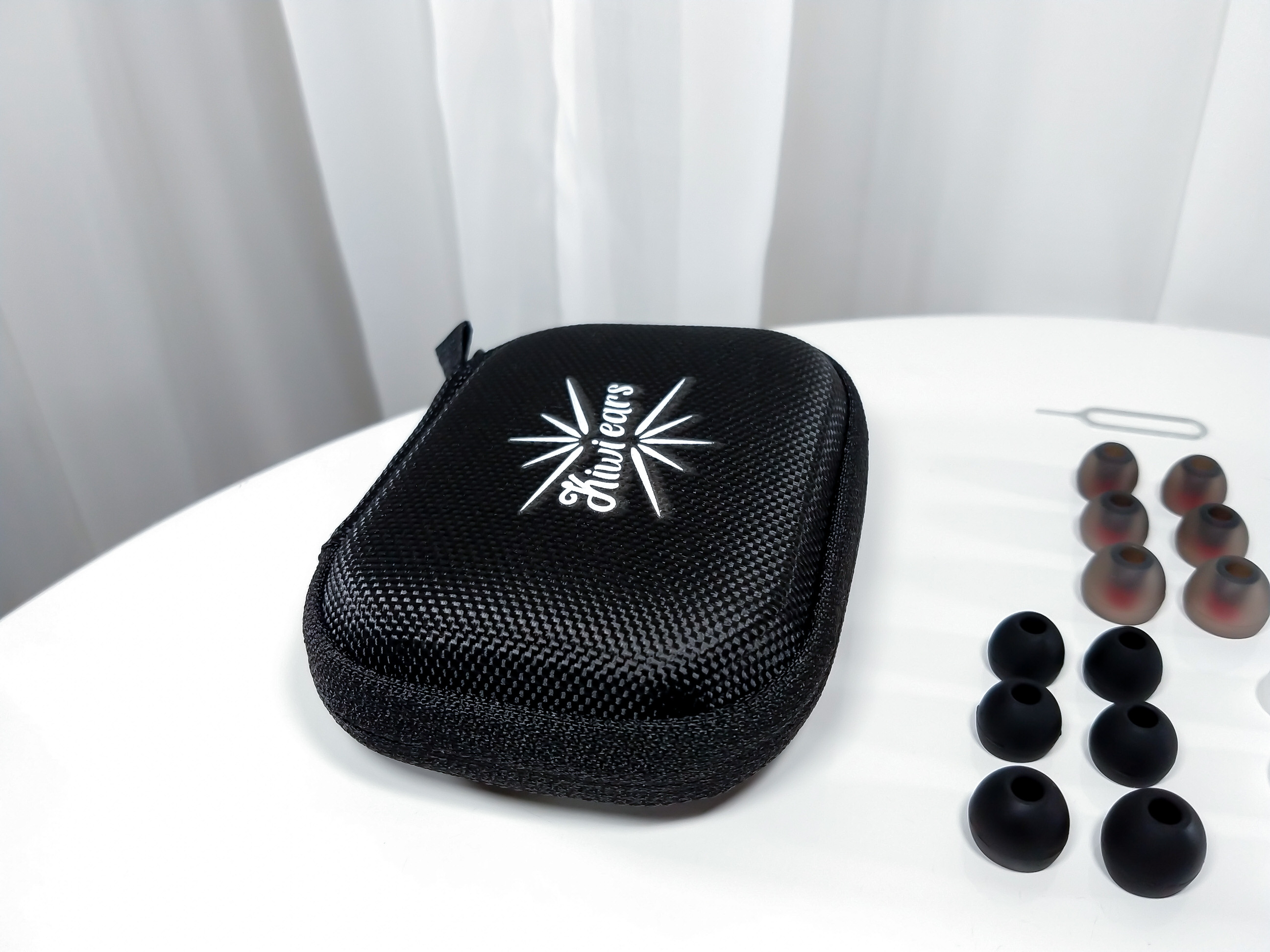
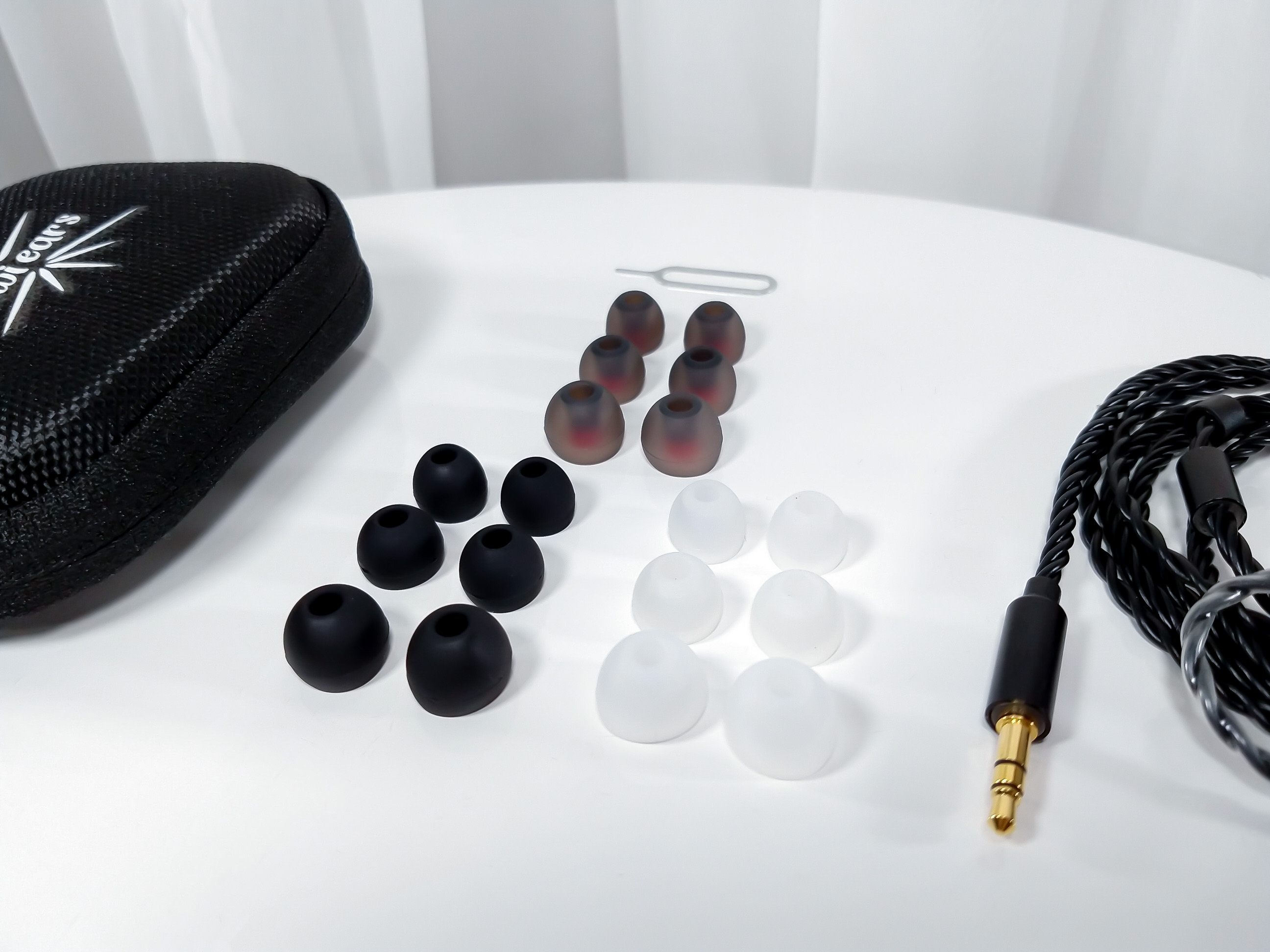
Eartips. The eartips kit came with 3 different types, all in silicone, and all in sizes S/M/L. It is true that they basically only change in the aesthetic part, because in terms of form, they are practically the same. For example, there’s no wide bore eartips, all that came have the same measurements, I think at least the company could try to diversify the form… someone could benefit from this implementation. Even so, I was able to be satisfied with what I found in the kit, especially with these white eartips, I usually always manage to get the “correct” sound with those of this type. I don’t see the need to acquire eartips from third-party companies to make any adjustments to the IEM (the exchange for SpinFit, Azla, etc. is really subjective).
-The review was made with the white eartips in size M.
The eartips in the kit are simple but functional, now, they are the same eartips that came on the Cadenza, and it also seems that Kiwi Ears is putting them on other earphones of the brand as well… When there is a standard like this we think: “was it really tested or just put there out of necessity?”. Anyway, it’s a reflection.
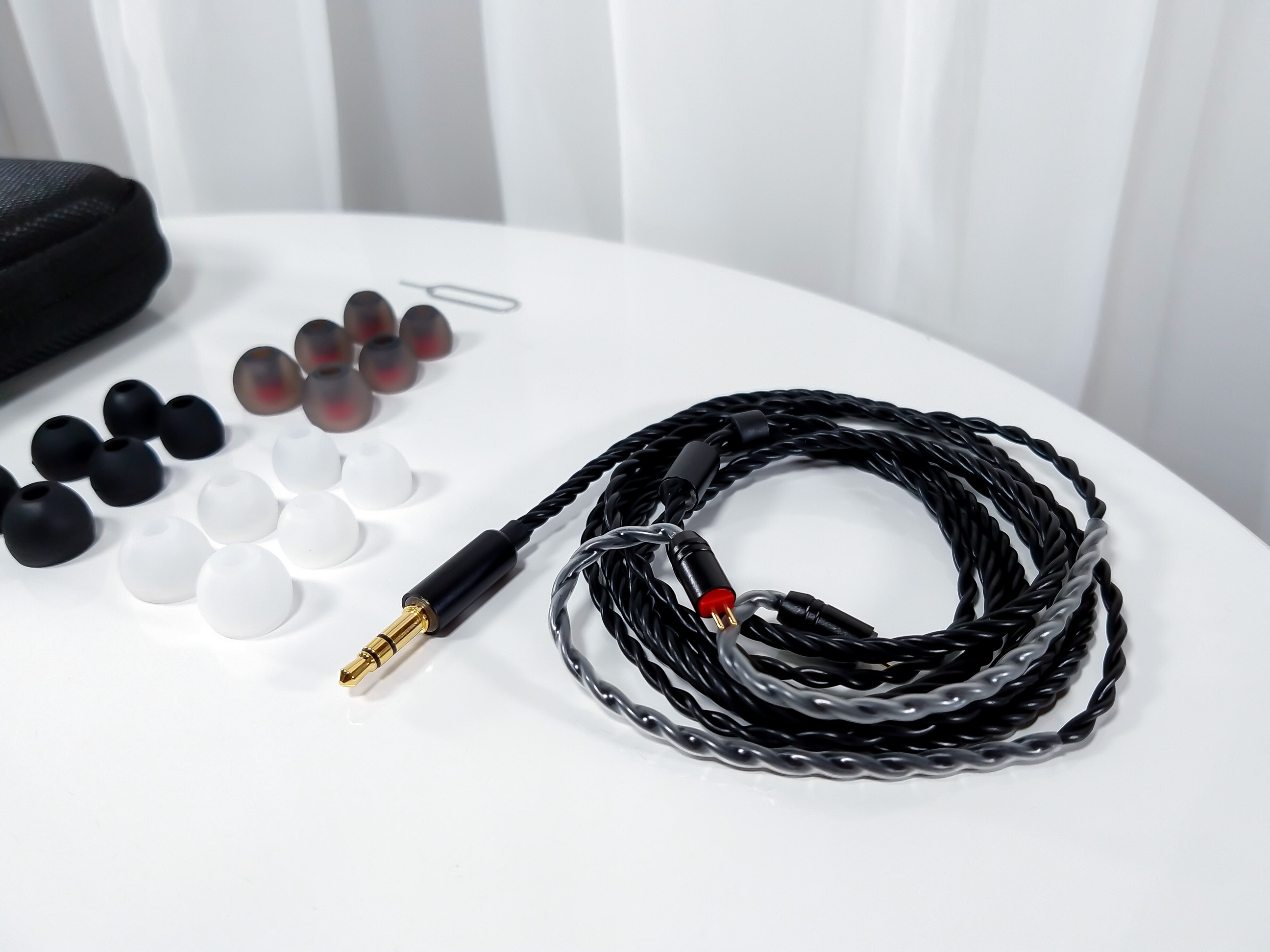
Cable. I really liked the cable, it’s very similar to the Tin T3+ and Cadenza cable. Aesthetically speaking, it’s not a beautiful cable, but the important thing is that it fulfills its role very well. It’s light and easy to handle. This type of braid is very good for winding (or unwinding), it doesn’t tangle easily. It doesn’t pick up “memory” (wavys) or microphonics. This cable comes with a chin slider, which in my tests here worked 100%, the piece stays where you put it. Some people don’t give much importance to this part of the evaluation, but when the cable presents some not so cool characteristic, I try to describe it precisely so that the person who is reading can orient themselves for a possible upgrade or not. The Letshuoer S12 cable for example, I found heavy, so for me it would justify a possible upgrade (but this is something very personal). The Aune Jasper cable came with earhooks with an angle that I found “wrong”. In the case of the Kiwi Ears Quartet cable I don’t see the need to make a change, the cable is functional.
Earhooks and Connectors. First the connectors. They are of the 2 pin type of 0.78mm (currently I think it’s the best option for IEMs). The indication of fitting on each side is made by red (right side) and transparent (left side) colors. It’s possible to visualize colors on the bottom of connectors. Now the earhooks. The earhooks are good, have a good curvature and don’t create pressure points. They have undulations in their shape, which I usually don’t like very much, I prefer when it’s totally smooth, but fortunately these from Kiwi Quartet didn’t cause me any discomfort.
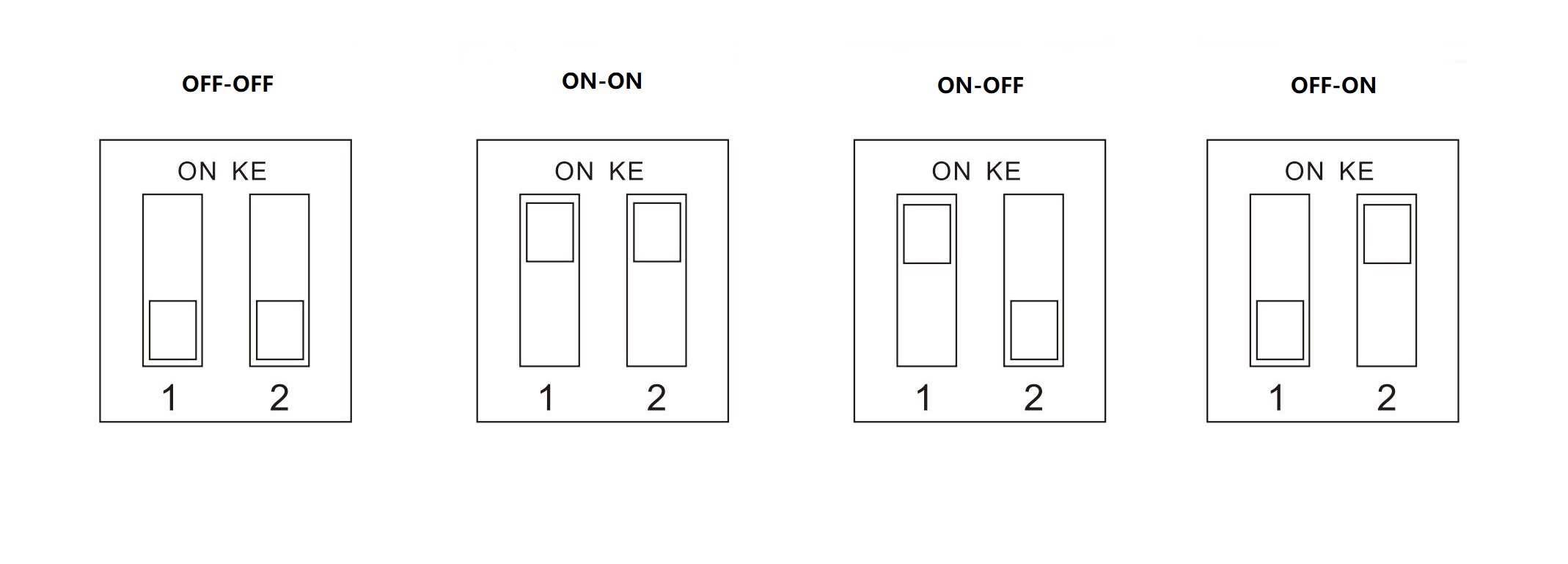
Dip Switch. The Quartet has the option to change the tuning through a dip switch (dip key). The IEM can have 4 different sounds (the changes will be described in “sound aspects”). There isn’t much to point out here, the dips are well hidden, they don’t interfere in anything, neither in fitting nor keep shaking (they don’t make noises). The only detail is that you really need the included key to make changes, without it it’s almost impossible to change the Dips.
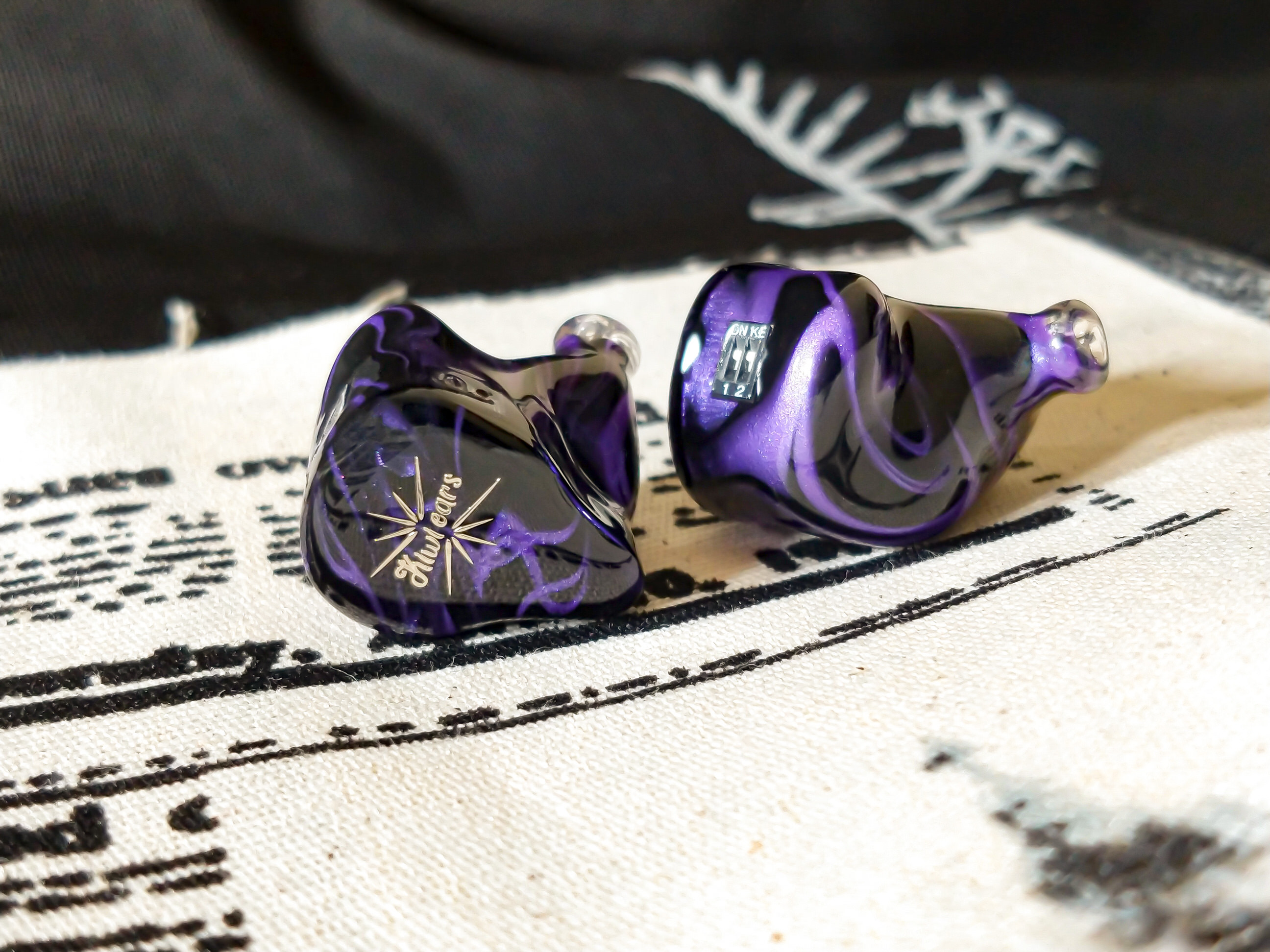
Fit and Comfort. Before the IEM arrived I was afraid it would be big, but now in practice reviewing it I can say that it has a normal/medium size, it fits very well in my ears. The IEM was discreet in my ears, without protruding parts, just the trivial. Stability is excellent, the IEM doesn’t sway or loosen. It’s possible that this is an interesting IEM for use as a stage monitors, because of the fit, comfort, etc. Okay, the isolation isn’t the greatest among those I have tested, although the IEM has good isolation. The insertion into my ear canal I consider as average. In terms of comfort, the IEM is very light, the resin is of good quality, gives a very good touch with the skin of the ear. I had no pressure points, and this is even a very positive detail of the Quartet, because some IEMs that I tested with this shape had a slight sensation of intra-auricular pressure, or a certain sensation of lack of ventilation, but here in the Quartet this didn’t happen. It’s an IEM that can be used for long auditions without feeling discomfort (in my opinion).
Accessories. Of included accessories, the Quartet comes with a semi-rigid case with zipper closure. It also comes with a key to make changes to the Dip Switch. The key is similar to the one that comes with smartphones to open the SIM card tray.
SOUND ASPECTS:
The sound of the Kiwi Ears Quartet I understood as Warm-V shape. The IEM have prominent bass, recessed mids, and moderate treble. It is an IEM that has the Dip Switch tool to change the tuning, so I already say here that I made the following review with the switches in On-On mode (it is the initial configuration that comes in the IEM). I will better point out this question of tuning changes later in the text. The Kiwi Ears Quartet I found to be in line with IEMs with a fun sound, the bass gives this feeling of more “high spirits” in the sound, especially with songs that request for this extra dose of bass (in my opinion).
As usual, let’s start by talking about the bass. In quantitative terms, the bass is very present, clearly the most prominent region in this IEM. The amount here is moderate to high. It’s indeed an IEM that I would recommend for bassheads, but calm down that it’s also not disproportionate or excessive, I just think it has a generous amount of bass here. This amount of bass is one of the characteristics that makes Quartet’s sound warmer. I felt that the IEM have sub-bass and mid-bass present, but I found that the mid-bass region stands out a little more, very little indeed. The extension is good. The Quartet I found to be a very good IEM for those who enjoy listening to Reggae.
In qualitative terms, Quartet’s bass has authority, full, has mass, texture, “volume”. The impact is very noticeable, it has good physicality, it has that punch, it has strength. In terms of definition I found it good/ok, it’s not the most defined bass I’ve ever heard, nor is it the most undefined. A Letshuoer D13 I think has more “delineated” bass (in my opinion). In some situations Quartet’s bass may sound slightly muffled, such as on a drum kick drum beat, it’s as if there was a pillow inside the drum (some drummers use this object to not let the sound too dry). That said, on the other hand, Quartet’s bass isn’t boomy, isn’t bloated and doesn’t invade the mids.
The mids of the Quartet. Here we have the classic mids of V-Shape IEMs, they are more recessed, so a beat on a snare drum is always comfortable, or a guitar riff is always softer. For example, the song Supersoaker by Kings of Leon has a guitar right up front at the beginning of the song, and here on the Quartet the guitar sound didn’t sound too “crunch”, “harsh”. The IEM brings a Pinna Gain that I judge to be smooth, that is, instruments and voices present themselves without sounding aggressive at any time. Mids of this type usually combine well with genres with a lot of instrumental activity, such as extreme Metal, for example. It must also be said that for some instruments such as flute, saxophone, or violin, the Quartet will not deliver as much clarity – in my opinion – because they are instruments that do better with a little more upper mids.
Voices. Arriving here in the part of the voices, it was already expected that after the IEM presented more prominent bass and more recessed mids, male/low voices were better (in my opinion). With female/high voices I found that the performance was not the best possible, on one hand it loses that characteristic of feeling chills on the skin, but on the other hand the songs become more comfortable for those who feel very sensitive to higher vocals. In addition to good performance with lower timbre voices, the IEM does very well with the central range in the vocal scale, tenor and contralto.
Treble in quantitative terms. For me, the amount was at the moderate level, I think nothing is missing and nothing exceeds. With this Dip Switch configuration (On-On) I found that the treble were in their best quantity. In this configuration, I consider that the IEM don’t generate hering fatigue, I say this because I spent more time testing the IEM with the mentioned configuration, the others I just put on at the time of the Dip Switch test and that’s it, so I affirm that with this configuration it didn’t generate fatigue in me. I didn’t feel roll-off in the treble, the extension is good. The good thing about the IEM is that if by chance the person prefers more treble, at a moderate to high level, then there is the option to change the sound on the Dip Switch. Among the 4 possible configurations, the one with less treble for me was this one (On-On).
In qualitative terms. Quartet’s treble are linear, controlled, without peaks and without coloration. It has good airy, good definition, and I found the details to be good. The sparkle I also found to be good, consistent with reality and without excesses, it doesn’t present a crystalline sound, that is, too thin. Quartet’s treble aren’t strident, aren’t harsh, aren’t sharp and don’t present sibilance. Hi-Hats stand out but don’t sound harsh, even for that reason I found the IEM interesting with Metal because it is a genre that has a lot of intensity with this instrument. Fingerpicking or guitar solos in the high region of the instrument’s neck are very good, lively without sounding strident.
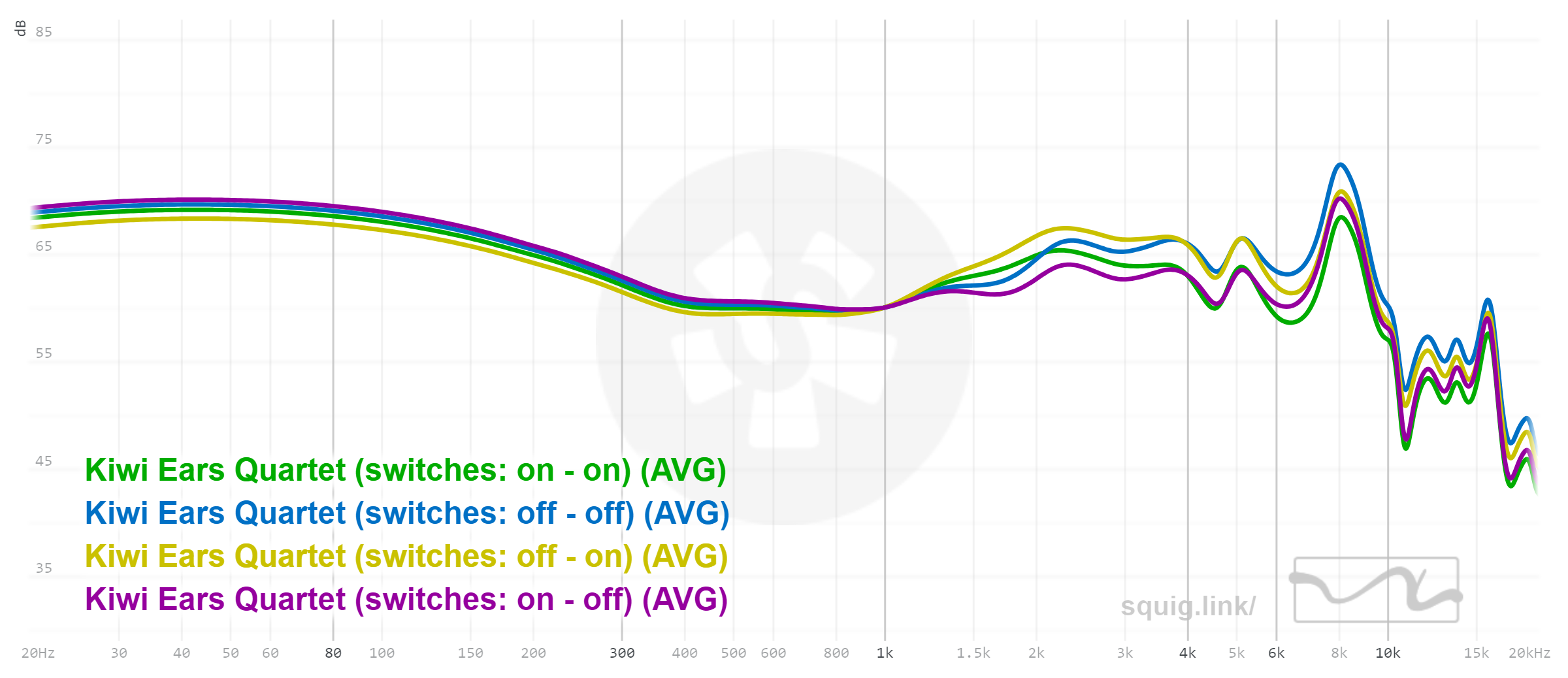
Dip Switch. First, it’s evident that when making this evaluation I was able to look at the frequency response (FR) graph, however, the graph doesn’t determine my final opinion on the sound I hear in the IEMs, only that specifically in this case, the graph was very similar to what I heard in practice.
– On-On: In this configuration, the IEM deliver a good amount of bass and a more “balanced” sound from the mids onwards. The treble have the amount that I judged to be the best measure (this was the configuration used to make the evaluation).
– Off-Off: Here the sound also has a good amount of bass, however it was the configuration that increased the treble the most, it’s noticeable that it increases sparkle and detail in the presentation, making some high instruments even artificial, colored. It was the most “V-shape” configuration among the others.
– On-Off: In this configuration, the sound had the biggest boost in bass, the sound became its warmest form, the mids ended up getting darker, and the treble still had a good presence there but it wasn’t as bright as mentioned in the configuration above.
– Off-On. This configuration is interesting because it presents less bass, but the presentation becomes dry in mids/upper mids, which on this occasion here for me I thought that the sound loses its “musicality” character (subjective). treble I had the feeling of being very similar to what was described when Dip was in Off-Off.
Soundstage. The feeling of soundstage I found good. In my opinion, the sound isn’t of great spaciousness, as I found with the Audiosense AQ4, but it also doesn’t become an enclosed sound. The recess in the midrange makes the sound gain more depth, since it doesn’t become so frontal, “in your face”, as if it were glued to the eardrum. In height and width, I found a middle term.
Imaging. The instrumental separation I found good/ok. With calmer and well-recorded music, the Quartet delivers a good result, I could hear some things that for me were clear where the instrument was playing and with a margin of space. With faster music and a lot of instrumentation, the IEM has a slight drop in performance, but it’s still possible to hear all the instruments, only in a closer way (remembering that separation can also vary according to recording and other processes during musical production).
Driver Flex Test. The Kiwi Ears Quarter has two 10mm dynamic drivers per each side, so it’s necessary to check if it makes driver flex noises. In my tests here, the IEM didn’t present driver flex sound at any time.
Amplification. I used the FiiO KA5 DAC/AMP dongle connected to my notebook to do this review. The output used was the 3.5mm and the device with selector in “High Gain” mode, that is, with gain activated. The volume used was level 40% of the 100% available by the Windows volume scale and 120 steps directly on the dongle (max vol.). In my tests here, the Kiwi Ears Quartet didn’t need more amplification to play properly. I also think it doesn’t tend to scale with more amplification (power). I tested it directly from my notebook and also from my smartphone (no dongle), both played fine.
Music is subjective, so below is the list of some musical genres that I personally think that was better with this IEM. Remember that were only few genres and few artists tested. If I describe that one genre was better and the other don’t, it doesn’t mean that you can’t listen to your favorite music genre with this IEM and love it. So, here goes:
Better:
Hip Hop
Reggae
EDM
POP
Rock
Blues
Metal
MPB*
Bossa Nova*
Samba*
*Brazilian musical genres.
Not so much:
Classical
Jazz
PLAYLIST LINK:
Graphs by Super* Review:
Thank you so much for being here!
Consider follow us on Facebook and Instagram to get all the news!

 )
)

 IEMs and Music