>>I am brazilian and I speak portuguese, so forgive my english, I’ll use translation tools to help<<
INTRO:
Yes, the former Rose Technics is now called Roseselsa. I certainly preferred the old name, but the change was probably due to patent rights on the name.
I was very surprised when I reviewed the Earfree i3, as I considered it to be the TWS earphone with the best tuning among all the others I had heard. It is true that the product needed a little more care in some aspects, so now we have the Roseselsa Earfree i5 with the task of solving these issues.
Price: $62.99 USD
Color: Black Grey; Tron Blue; Champagne
Roseselsa reviews: Ceramics, Earfree i3
ROSESELSA LINKS:
https://s.click.aliexpress.com/e/_oDe2oMf
https://s.click.aliexpress.com/e/_omcEZll
https://s.click.aliexpress.com/e/_opohkfz
https://s.click.aliexpress.com/e/_okMIHNz
SPECIFICATIONS:
- (1) 10mm DLC Dynamic Driver (DD)
– Driver frequency: 14Hz – 23.6kHz
– Effective frequency: 20Hz – 20kHz
– Impedance: 32Ω
– THD: 0.02%@1kHz
– Output power: 15mW
– Touch Controls
– Bluetooth 5.3
– Codecs: LDAC/ AAC/ mSBC/ SBC
– Signal range: 10 meters
– ANC and Ambient sound (48dB ANC on)
– ROSELINK App – presets & customization
– Low Latency Mode 54ms
– Battery time: 10h
– Total battery time: 50h
– Multipoint connectivity: 2 devices
– GoerTek Quad-Mic
– Waterproof level: IPX5 (earphones)
– Earphones battery: 40mAh
– Charging case battery: 500mAh
– Charging time: about 1h
– Fast Charging: 10min = 12h
– USB-C power supply: input 5V 0.4mA
– Earphones material: plastic
– Case material: aerospace-grade aluminum alloy
– Case size: 4.7cm [H] × 6cm [W] × 2.2cm [D]
– Weight: 4.5g (one side)(without tips)
– Case weight: 47.8g (without earphones)
– Total weight (box, earphones, etc): 168.5g
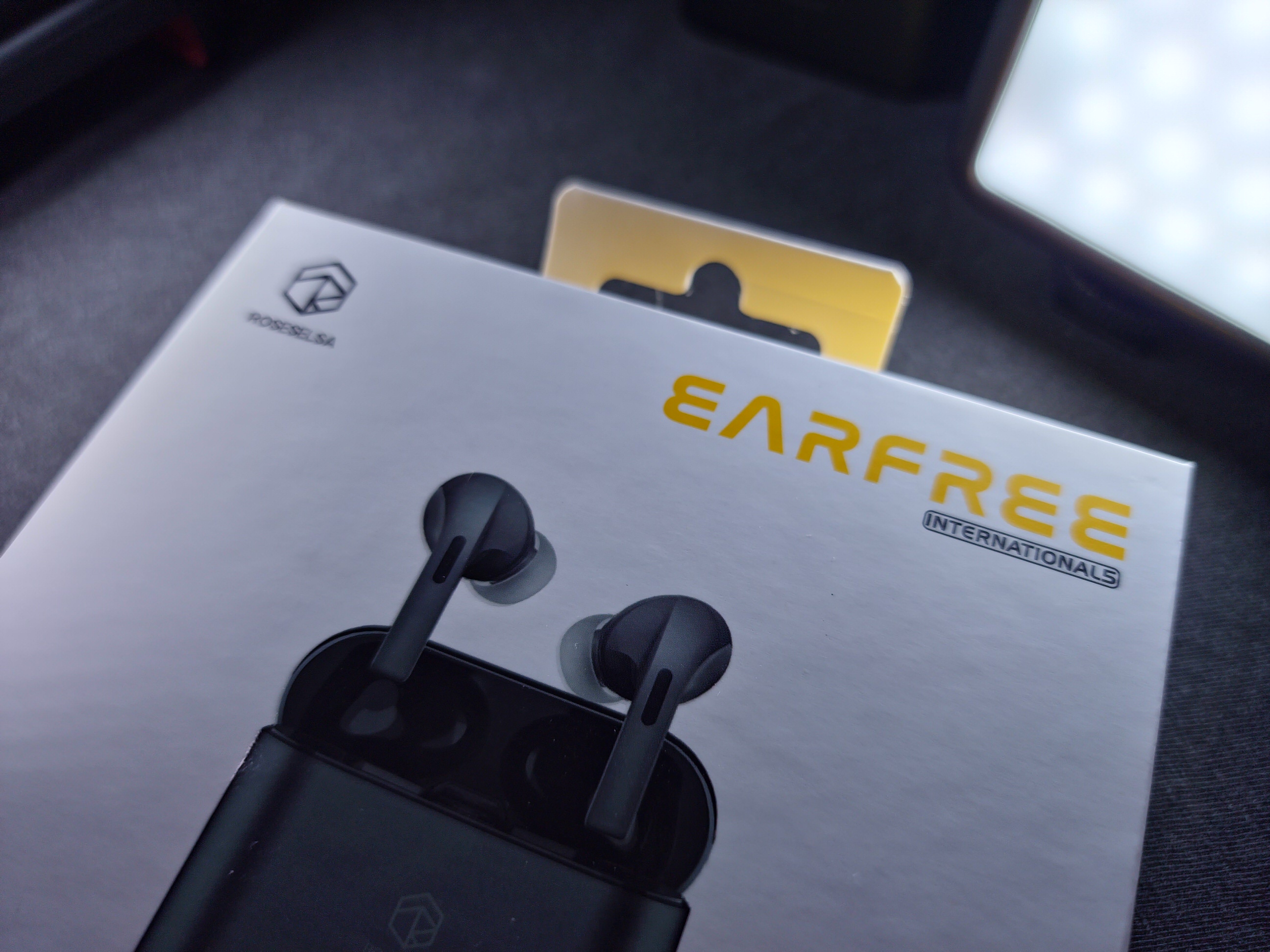
– Packaging size 12cm [H] x 12cm [W] x 3.5cm [D]
UNBOXING:
PHYSICAL ASPECTS:
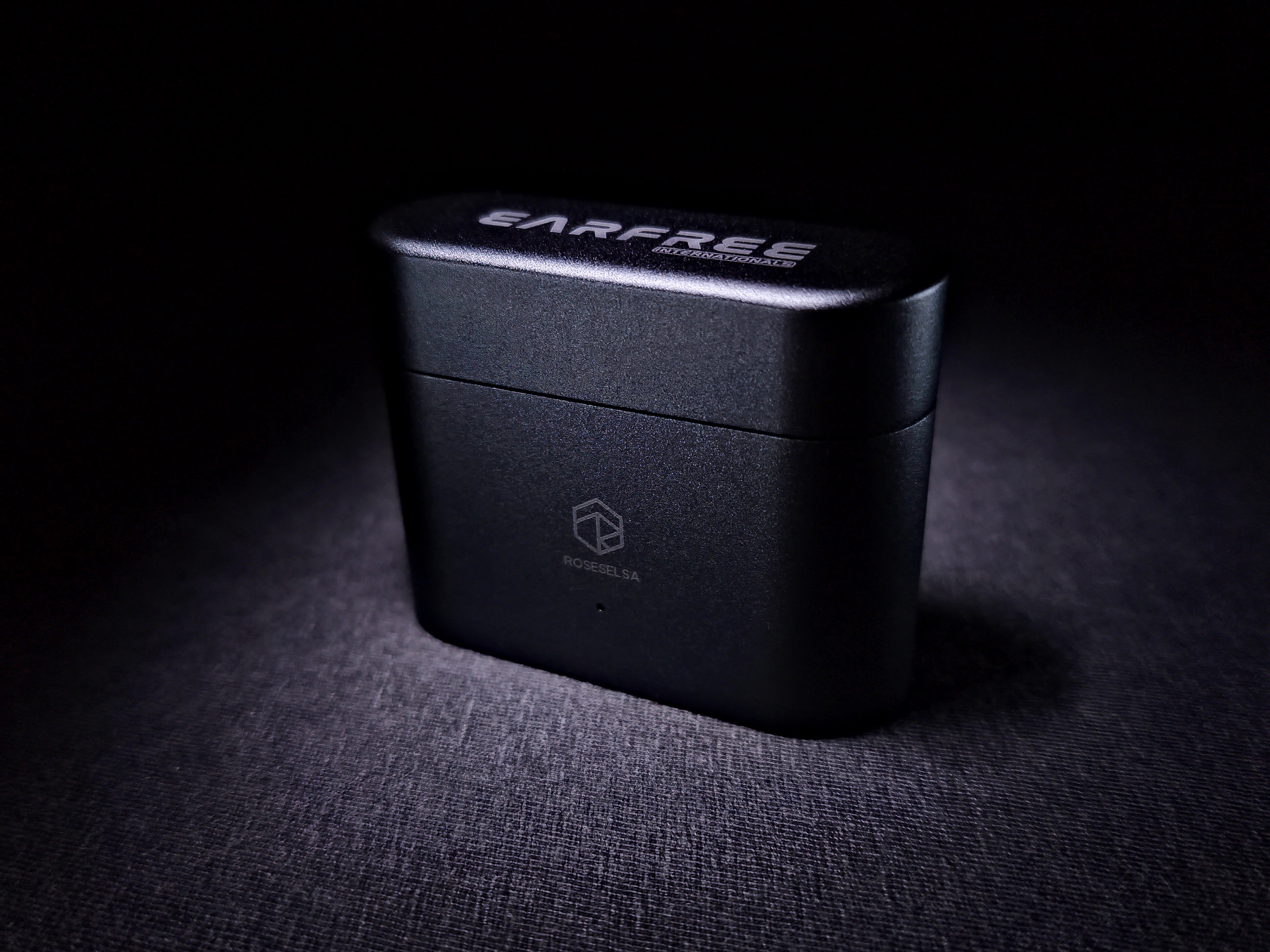
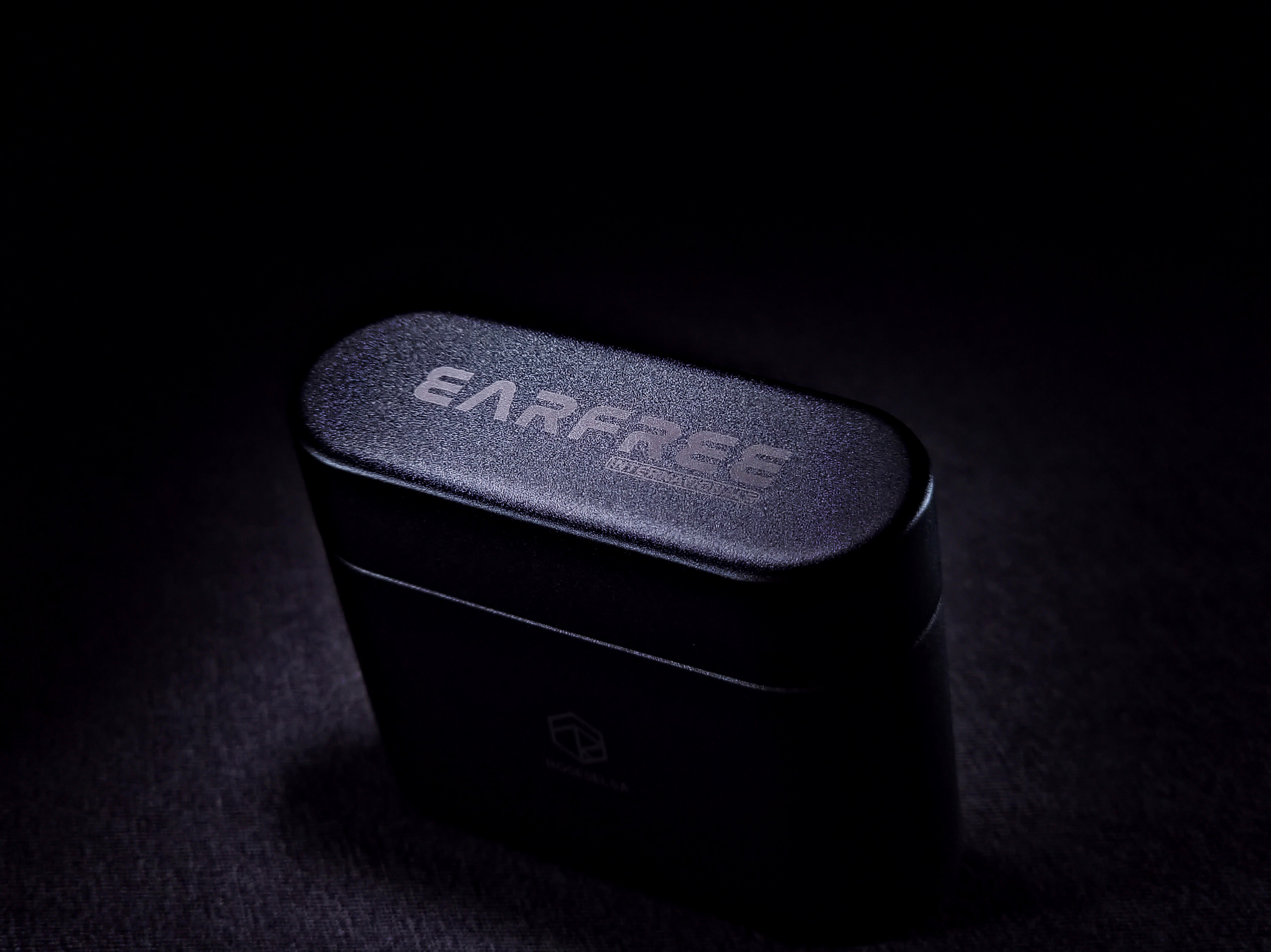
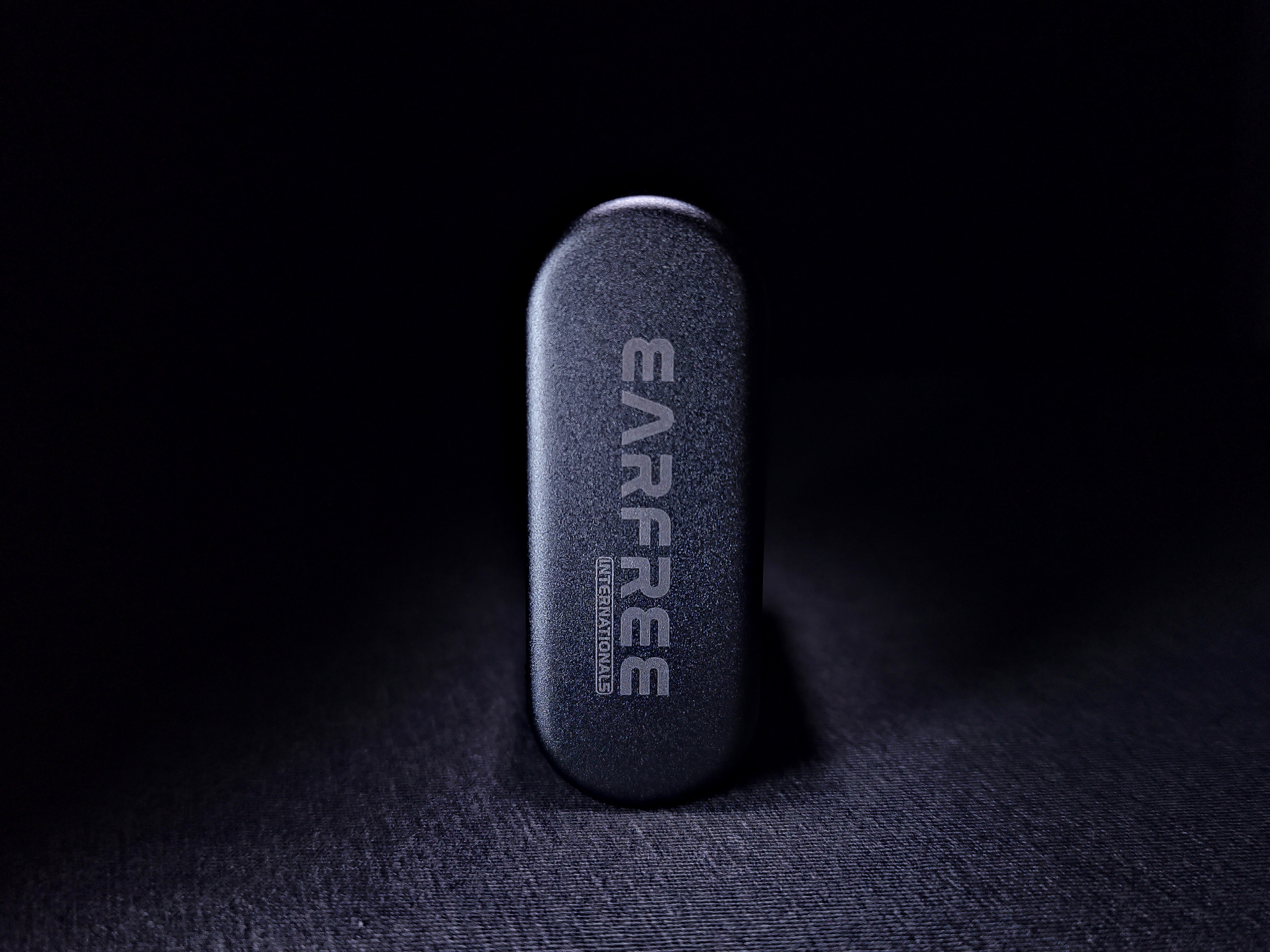
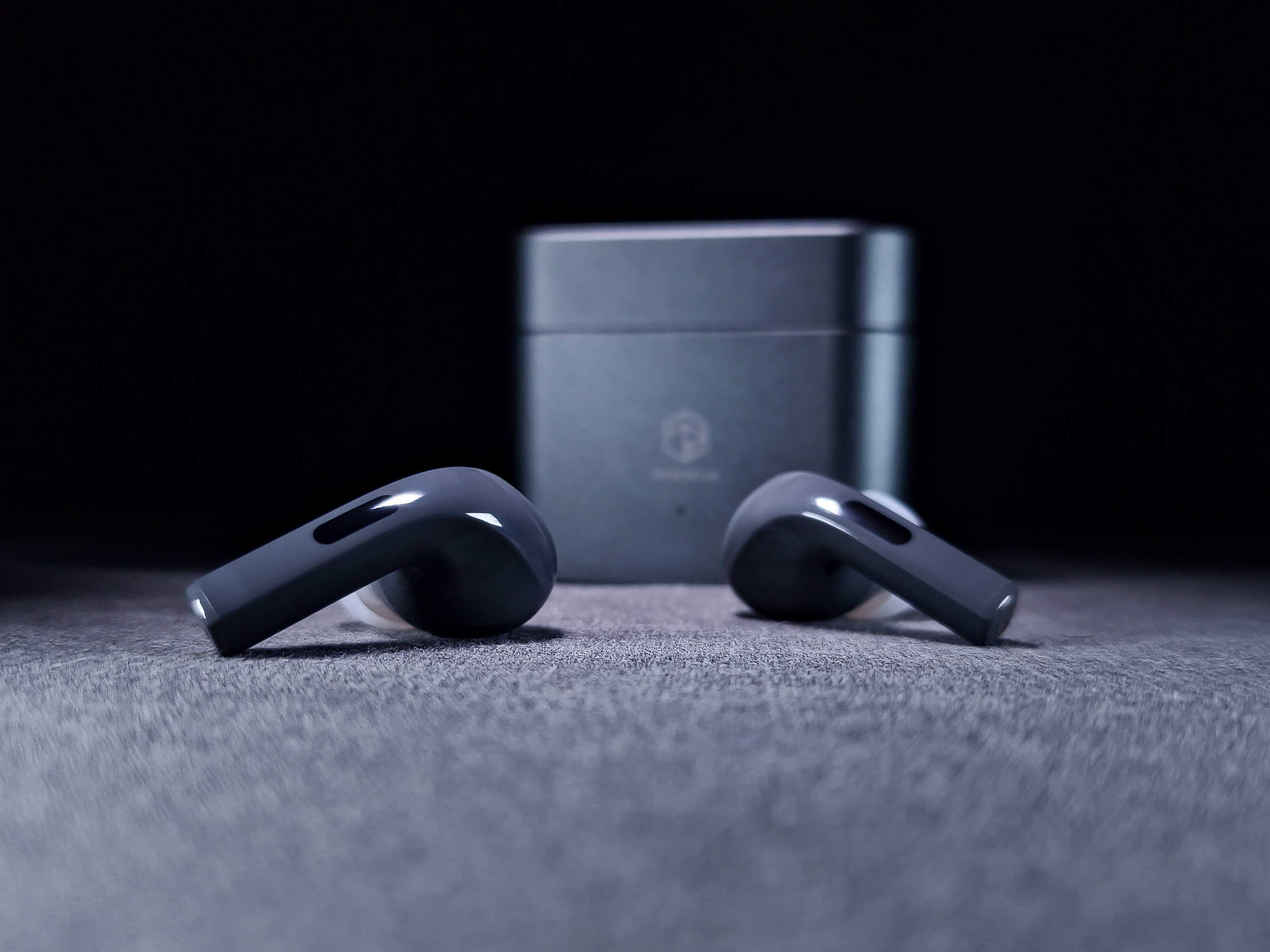
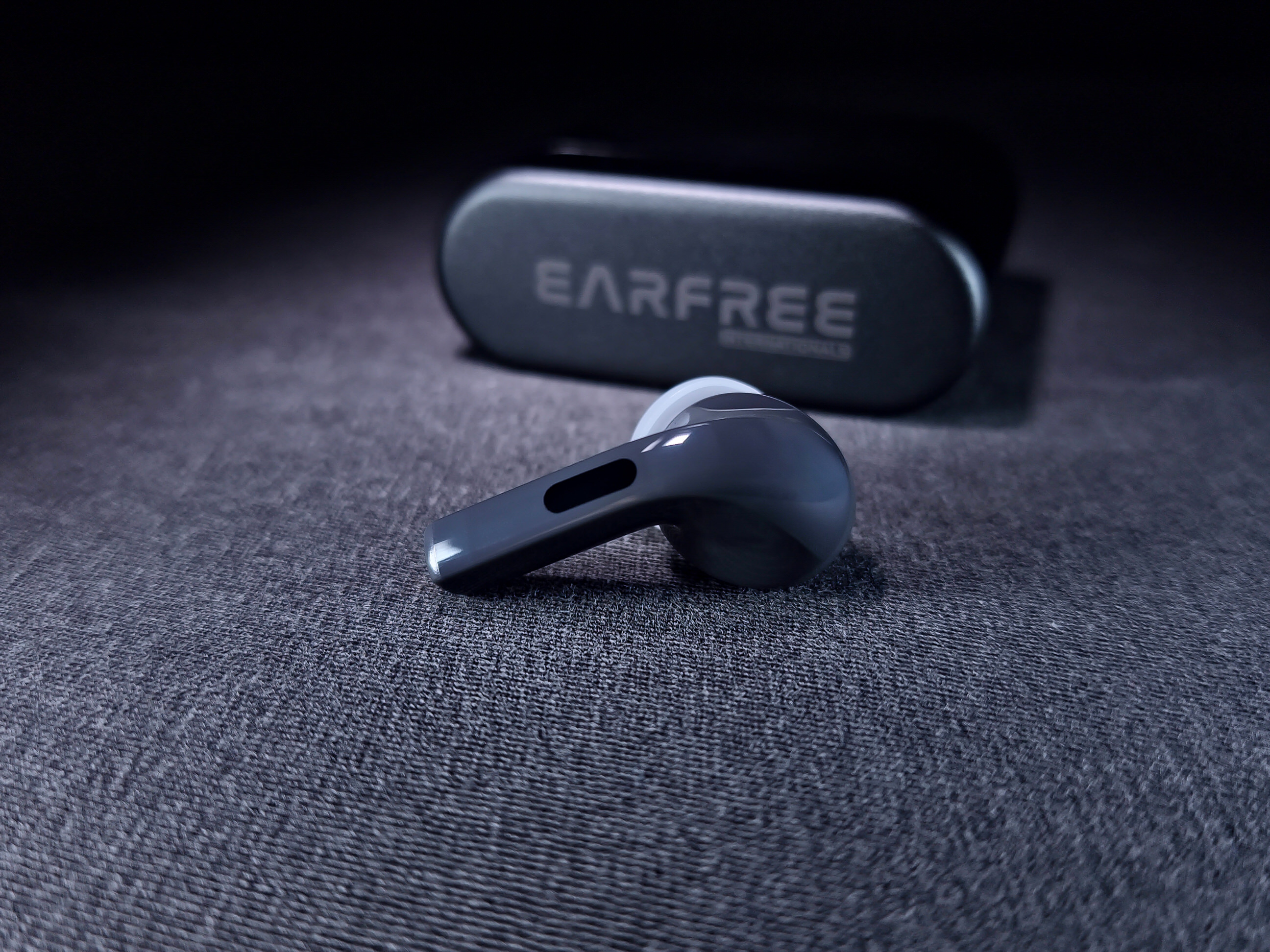
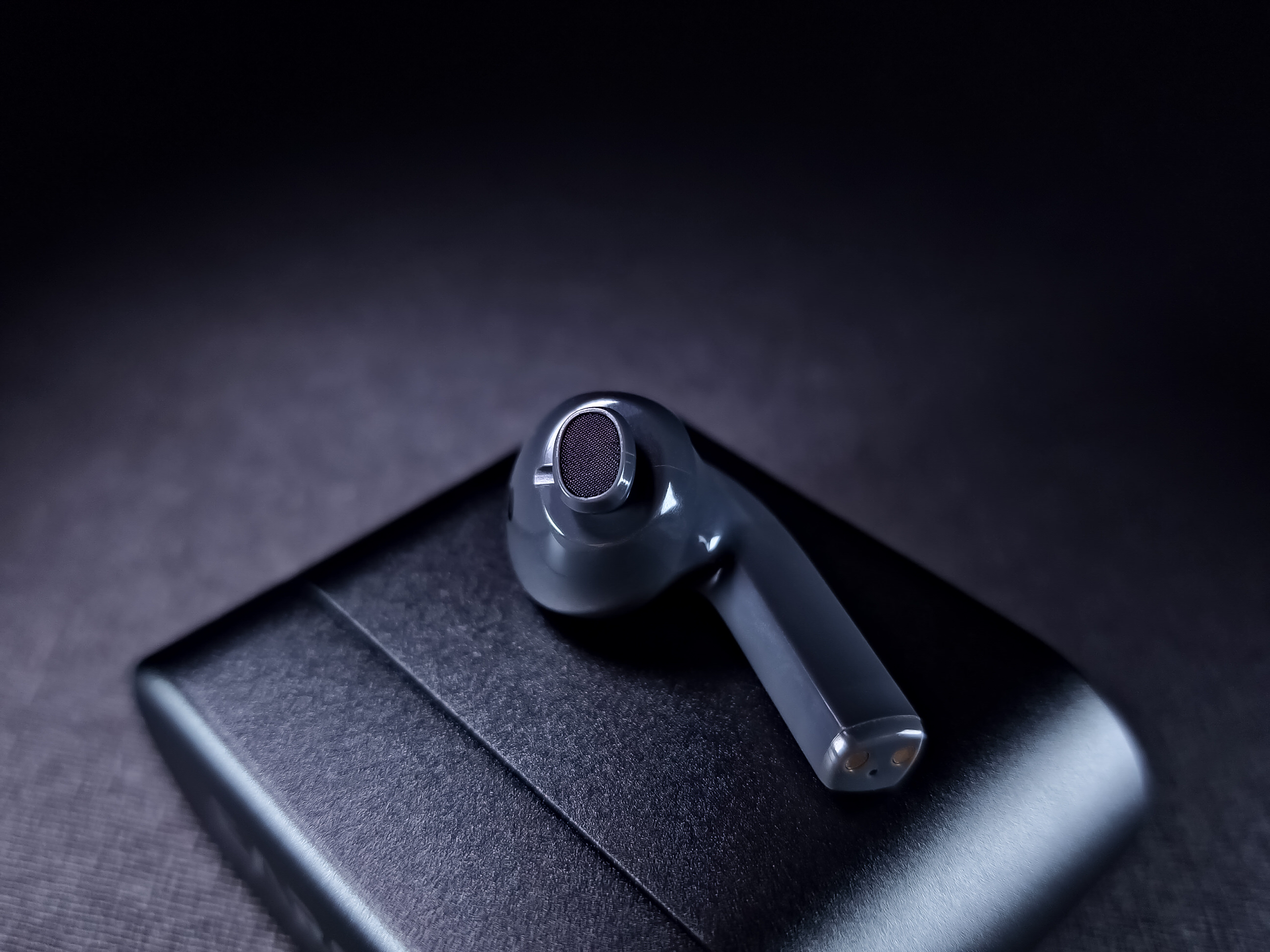
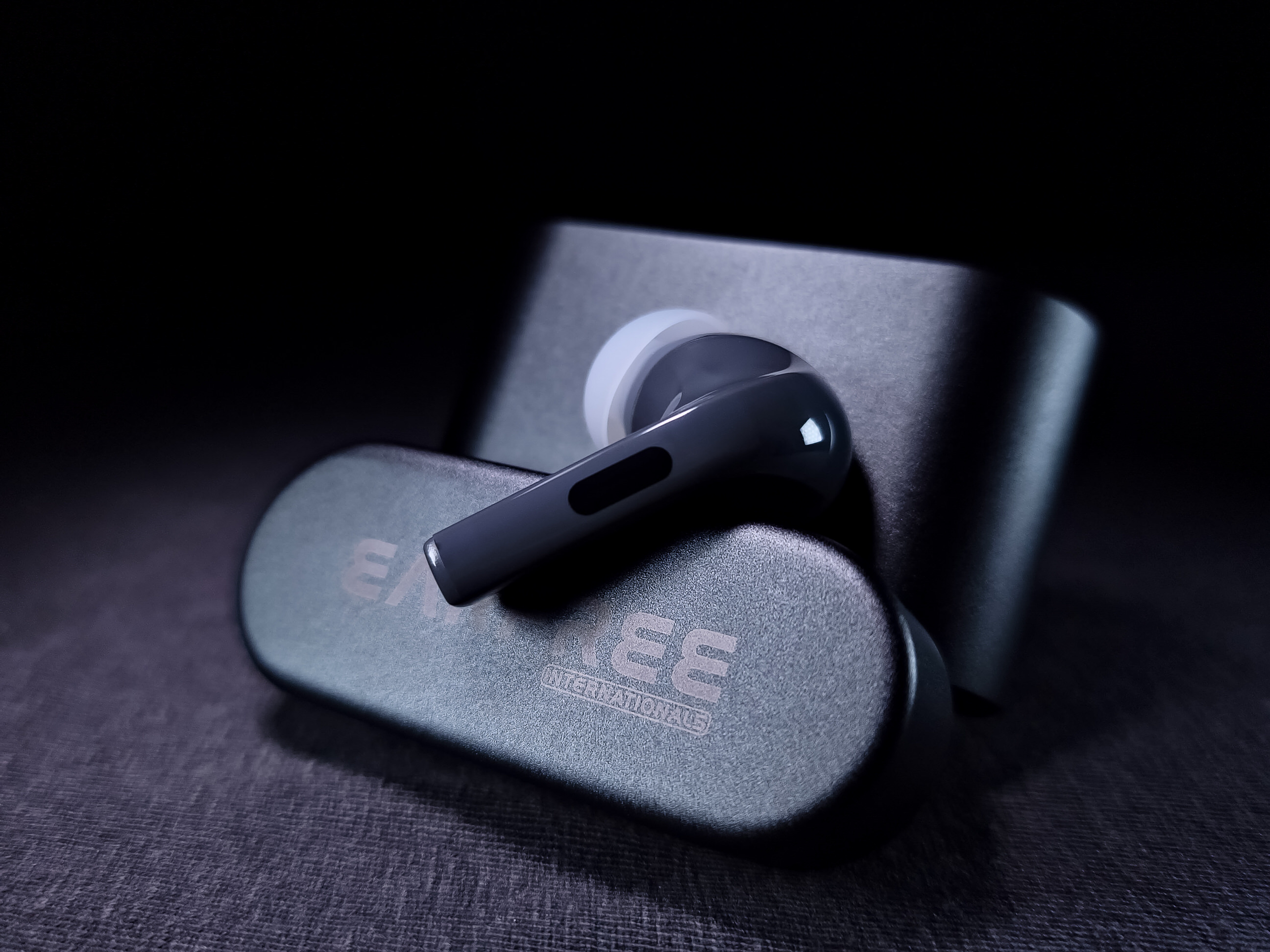
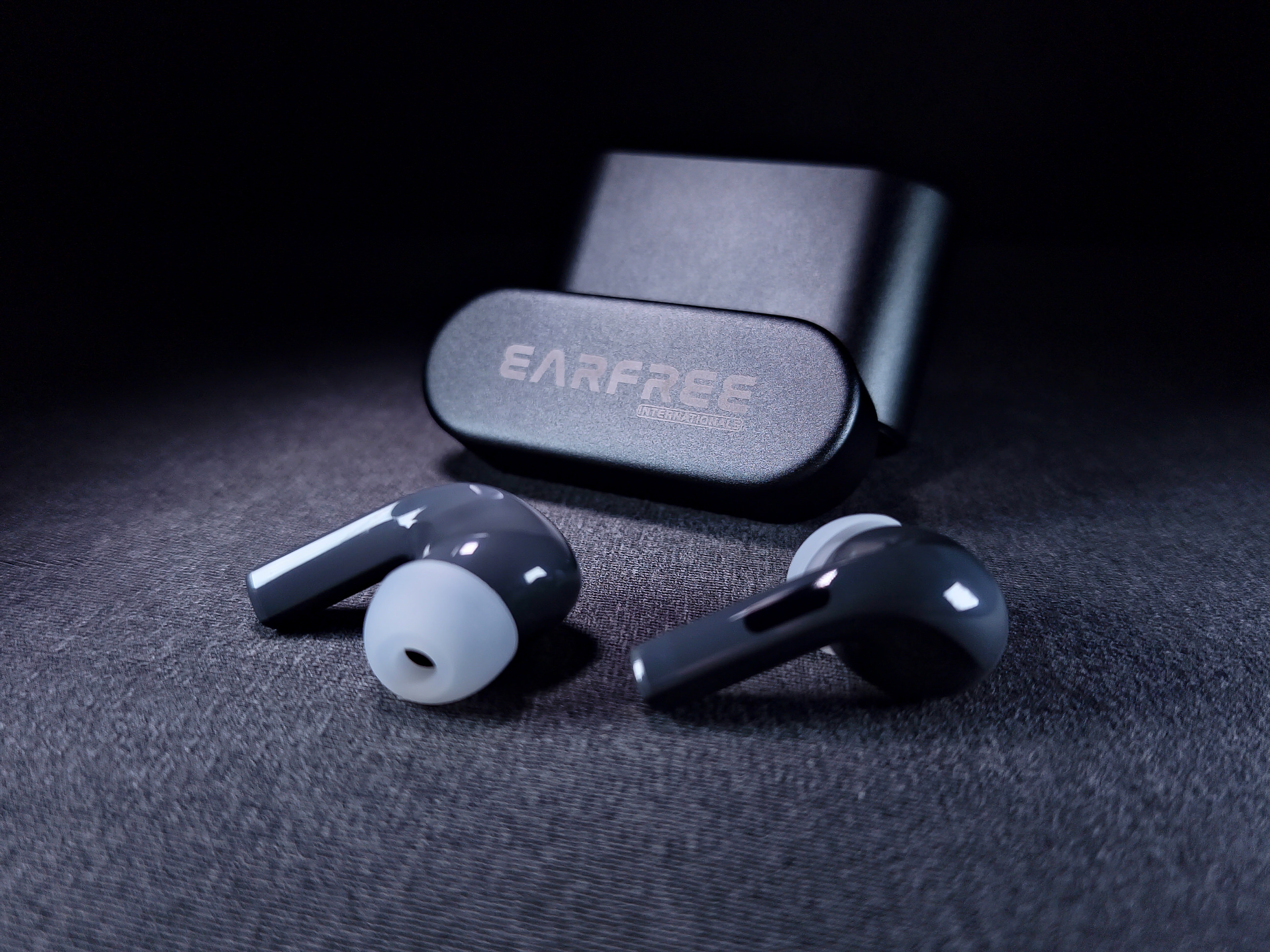
Construction: Here we have the TWS with the best charging case I’ve ever tested, the construction quality is excellent. It’s a case made entirely of metal (aluminum), very light and very compact, and also very beautiful and resistant. The earphones are different, made of plastic… on the one hand this is very good because the earphones are very light, but on the other hand, I found the quality of the plastic not very luxurious, it gives the impression of being a cheaper plastic. For those who have the Earfree i3, you know exactly what I’m talking about, because in my opinion it’s the same material.
Eartips: The eartips kit is very simple, 3 pairs in sizes S/M/L. These are eartips that are of great quality, very soft and thin, just the way I like them. I even think they improved the quality of the i5’s eartips compared to the i3. I was able to perform the review using the size L eartips.
Once again, I’ll leave an observation about these TWS with the oval nozzle… It’s subjective, I know, but in my opinion, I prefer TWS with cylindrical nozzles, I think they are better for the anatomy of the ears. The i3, for example, has a cylindrical nozzle. There was this change in the design of the product.
Bluetooth signal connectivity: Pairing is very fast (after the first manual pairing). Just open the case lid and the pairing is done. The signal range was very good, it reached the 10 meters indicated by the company without any interruptions in the music. The stability is also very good, I didn’t experience any failures or interruptions in the signal during use.
Latency test: The i5 has the low latency feature called Game Mode. So, we have two situations, either Game Mode activated, or deactivated. In practice, I didn’t experience any delay in either way, the synchronization was perfect.
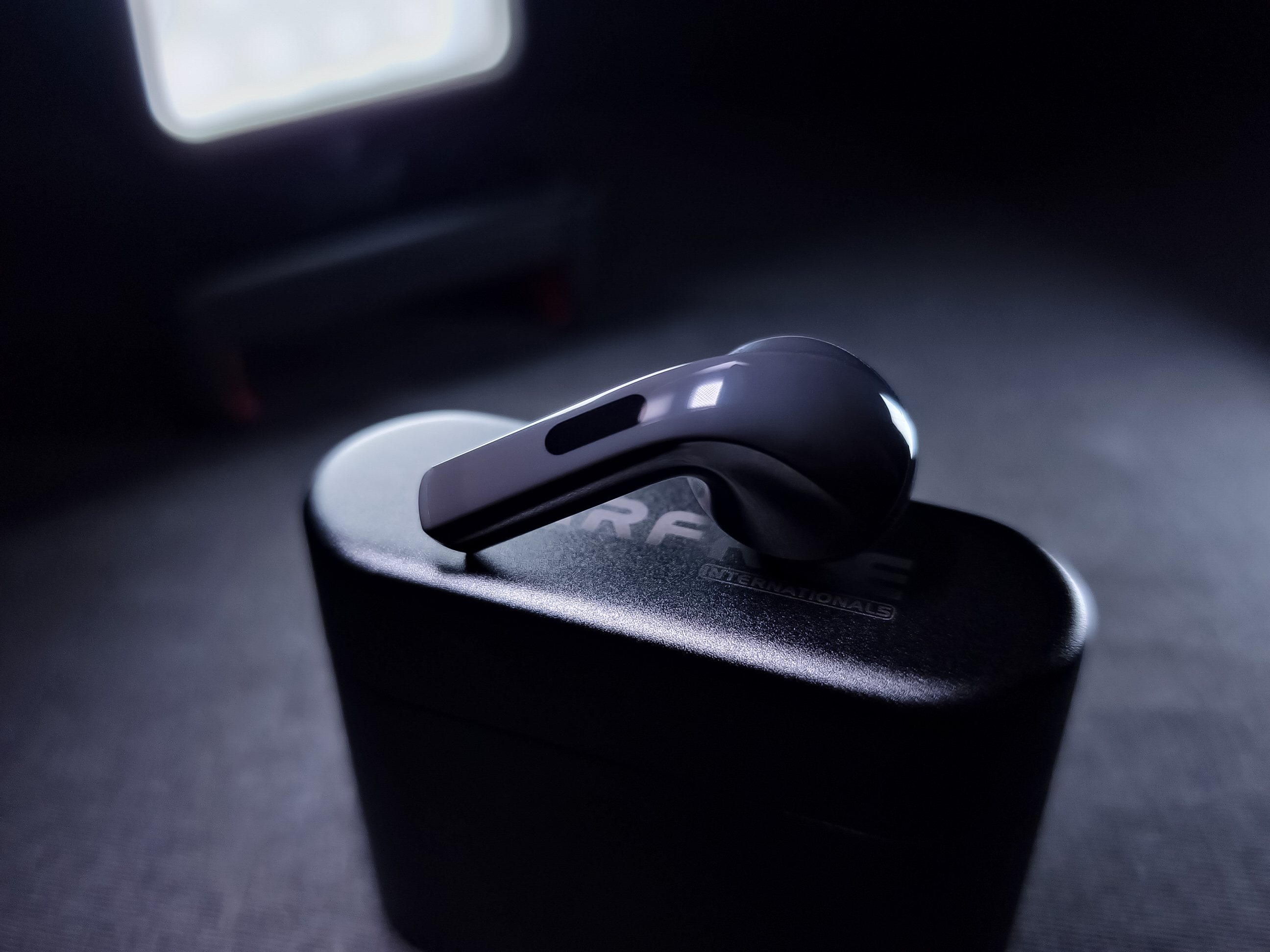
Touch controls: The i3’s big upgrade is here. The i3’s Touch area was very complicated, and in a bad position to give commands. So, the i5 solved this problem, the company placed the Touch in an area that was easier to access. If you looked at the product and saw a black part on the stems, you certainly imagined that was the Touch area, right… well, I thought the same thing, but it’s NOT there (!) The place to make the touches is exactly above this black part, more precisely on the curve of the earphone, between the stems and the body. The commands are very responsive, and with each touch you make, the earphone emits a sound like a “pop”, to confirm that you made the command.
Multipoint connection: This means that the i5 can connect to two devices simultaneously. You need to enable the function in the App in “Dual Device Connection”. After enabling it, I was able to pair the i5 with my computer and with my smartphone at the same time.
Auto Pause and Resume: Here on the i5 this feature is called “In-Ear Detection”, which is located in the “LAB Features” tab of the App. It consists of when you take the earphones out of your ears, whatever you are listening to – music, YouTube videos, etc. – will go into Pause, and when you put the earphones back in your ears, the music will resume.
ROSELINK App: The app is available for Android and iOS. The screenshots below are pretty self-explanatory, so I will only comment on what is necessary.
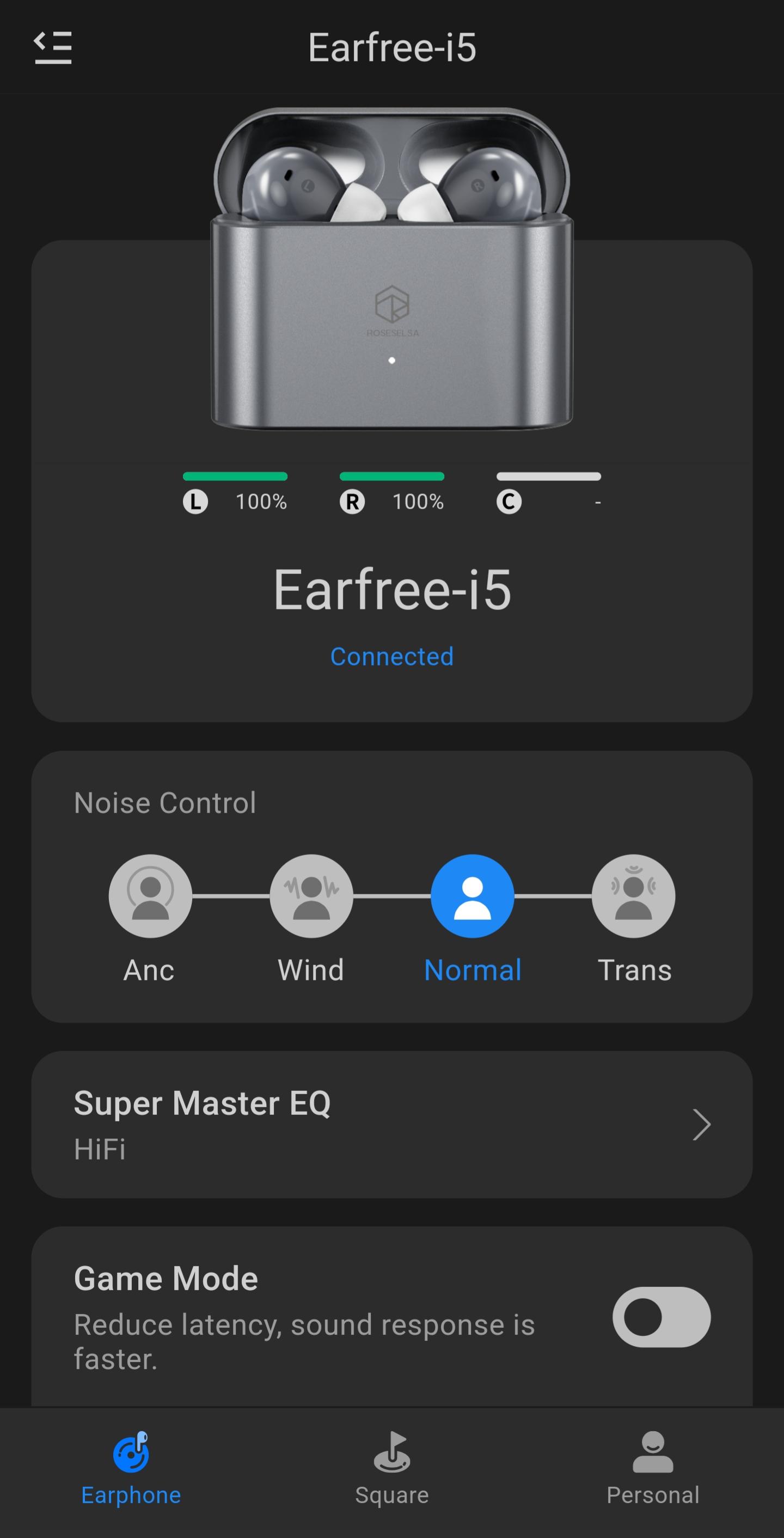

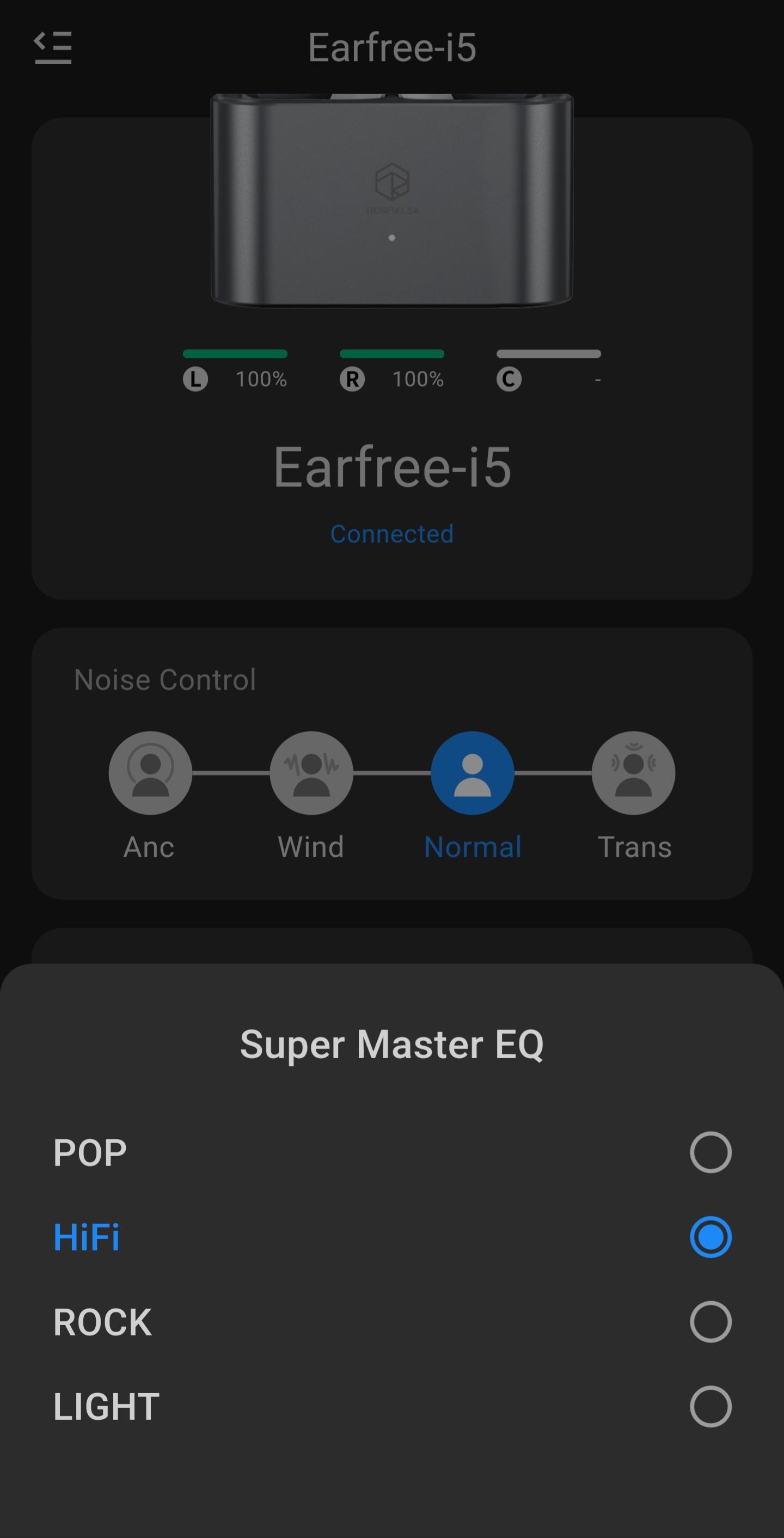

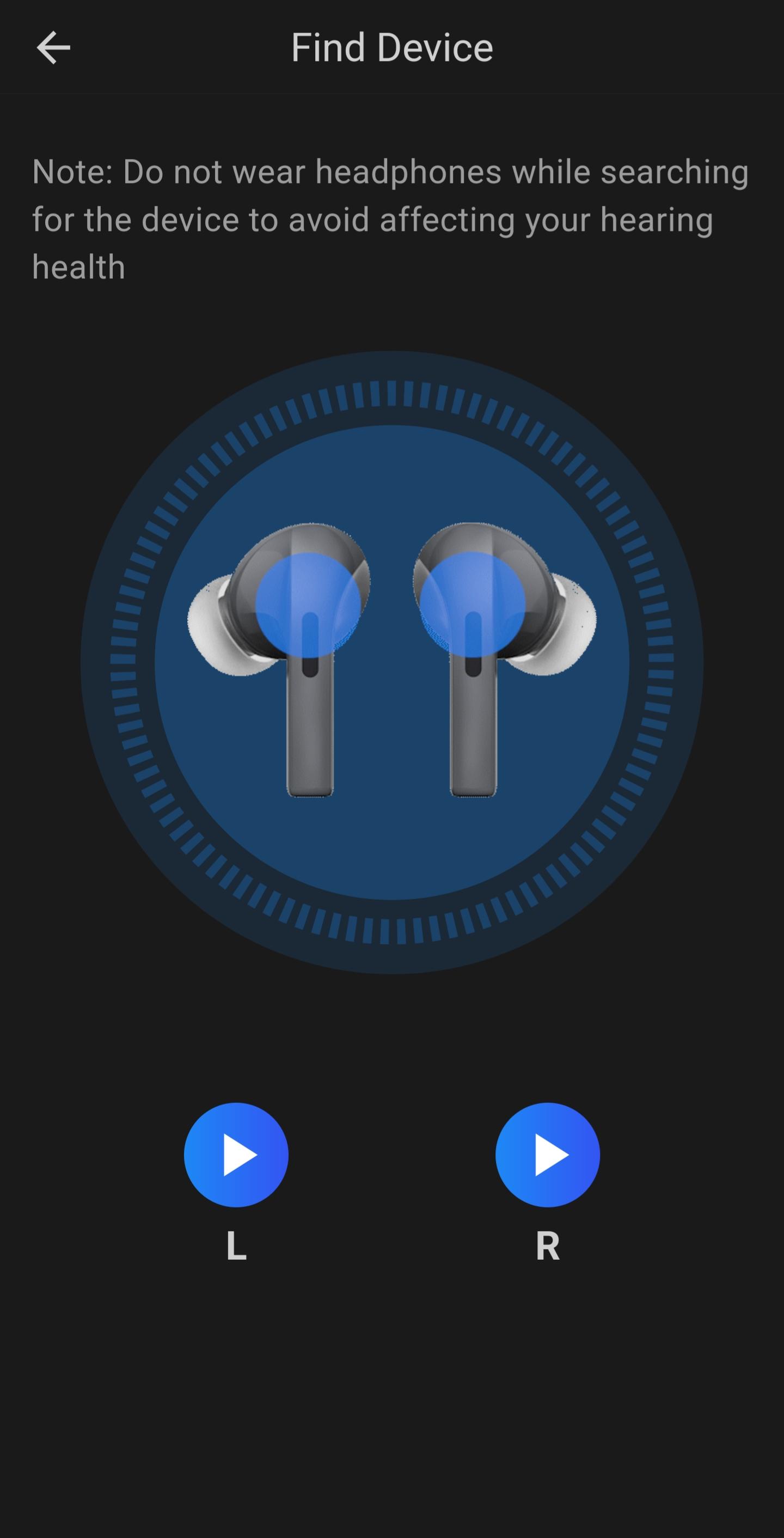
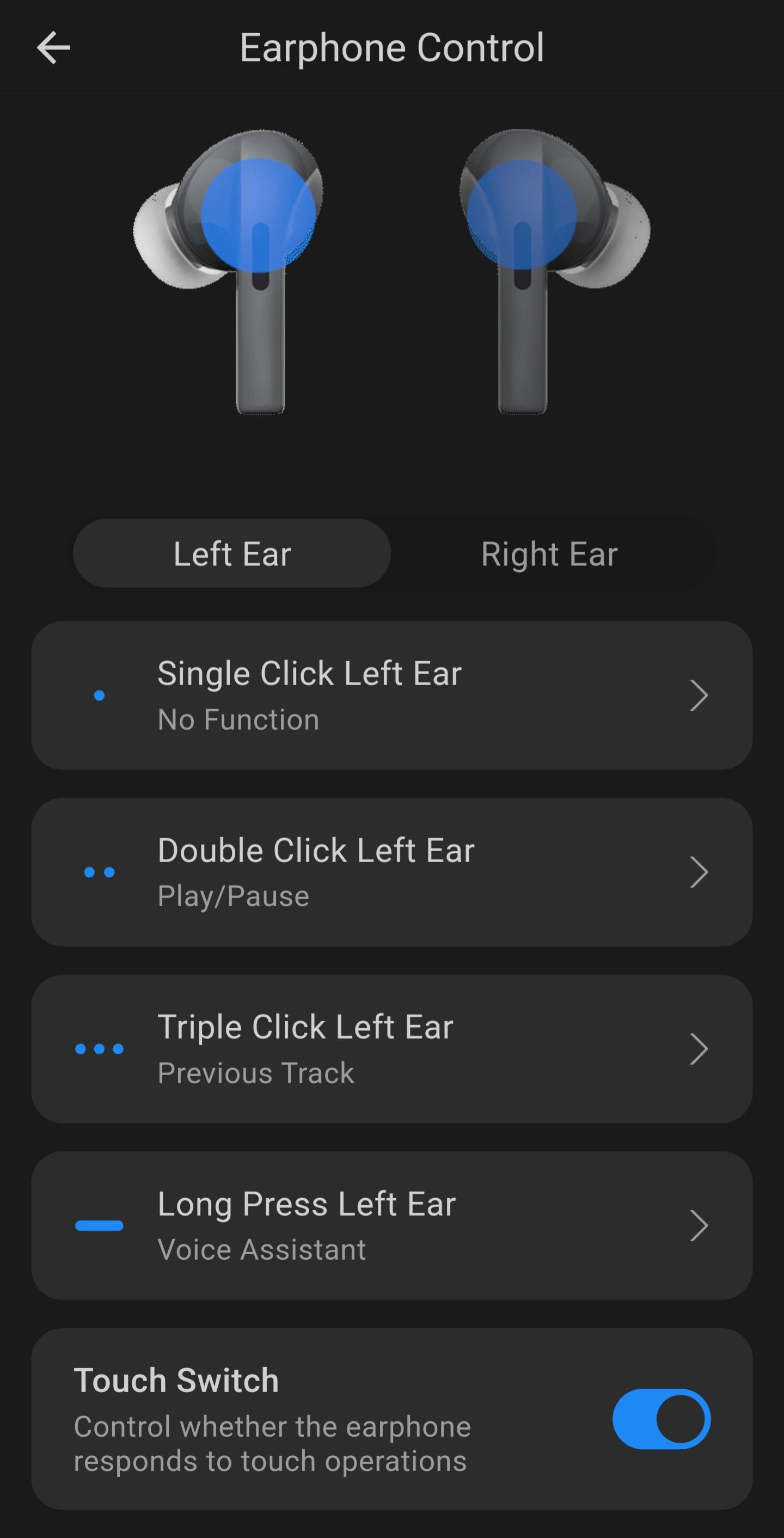
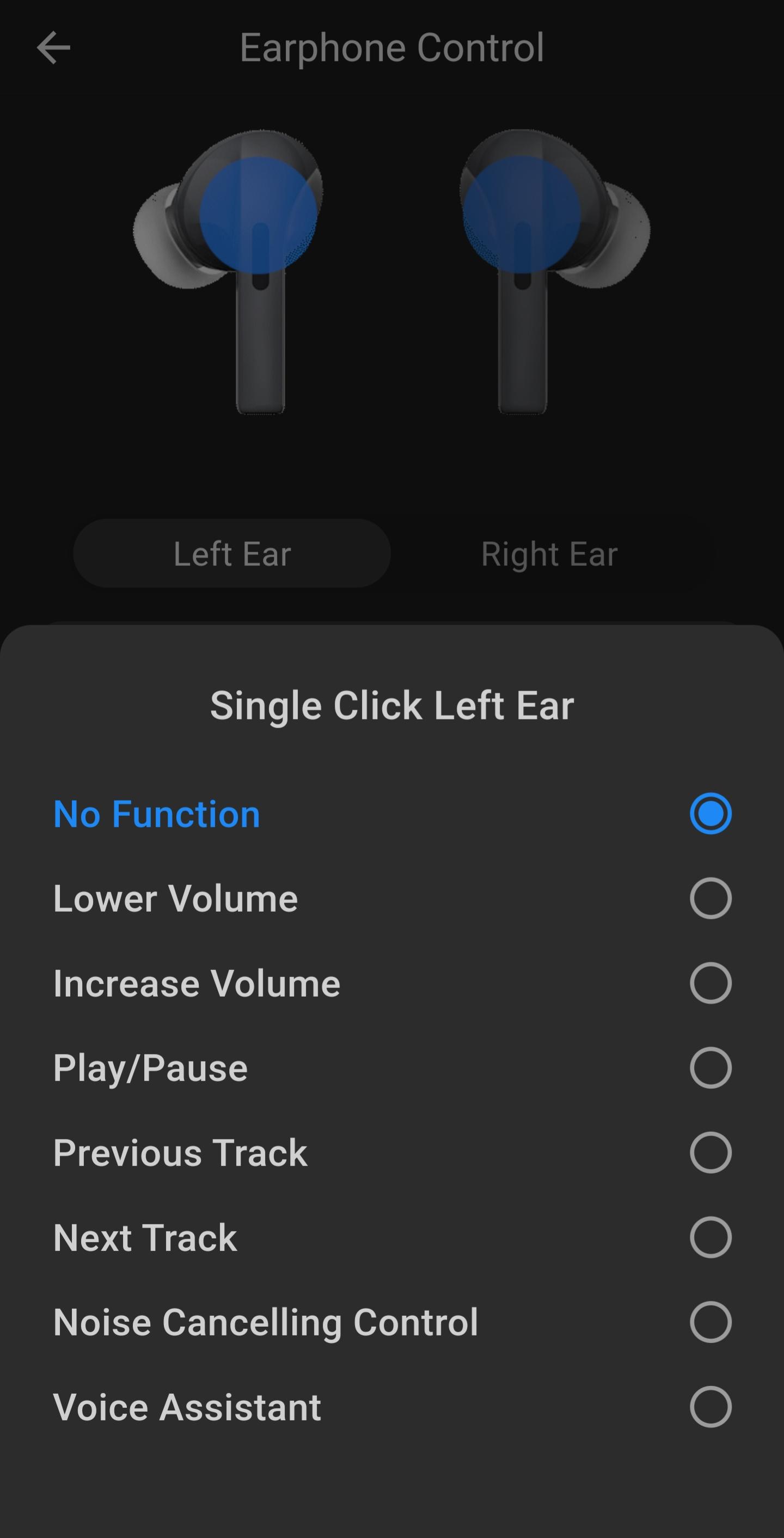


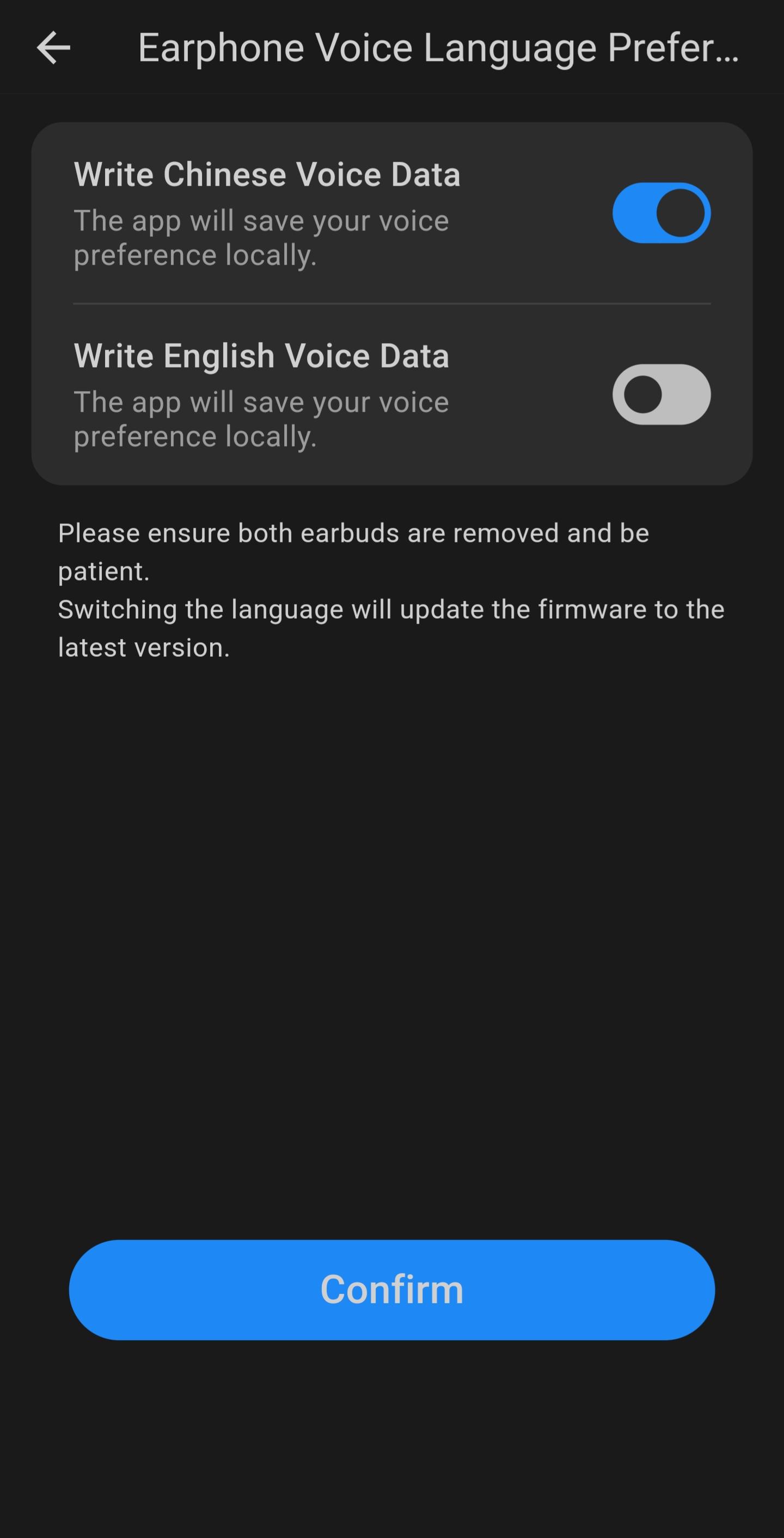


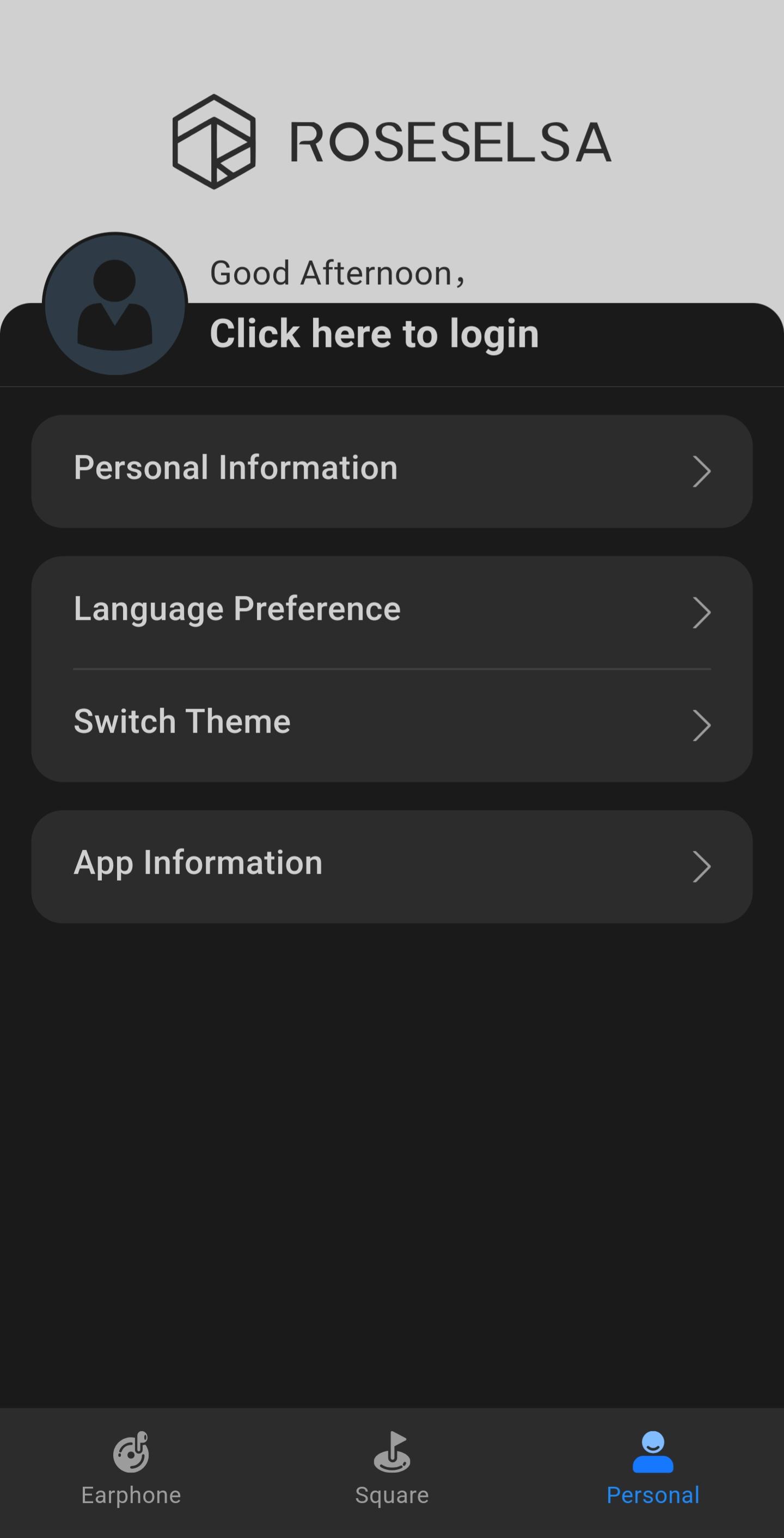
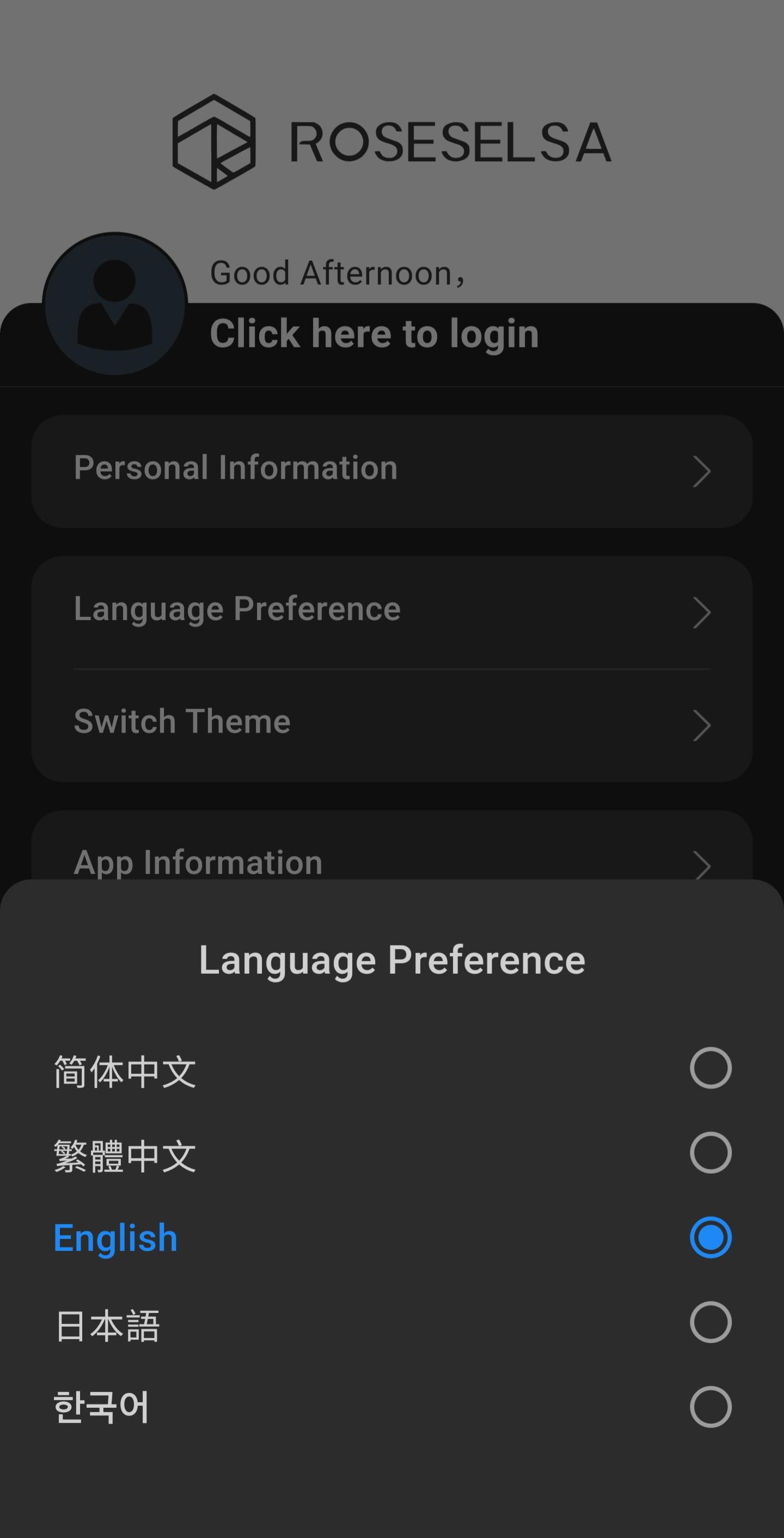
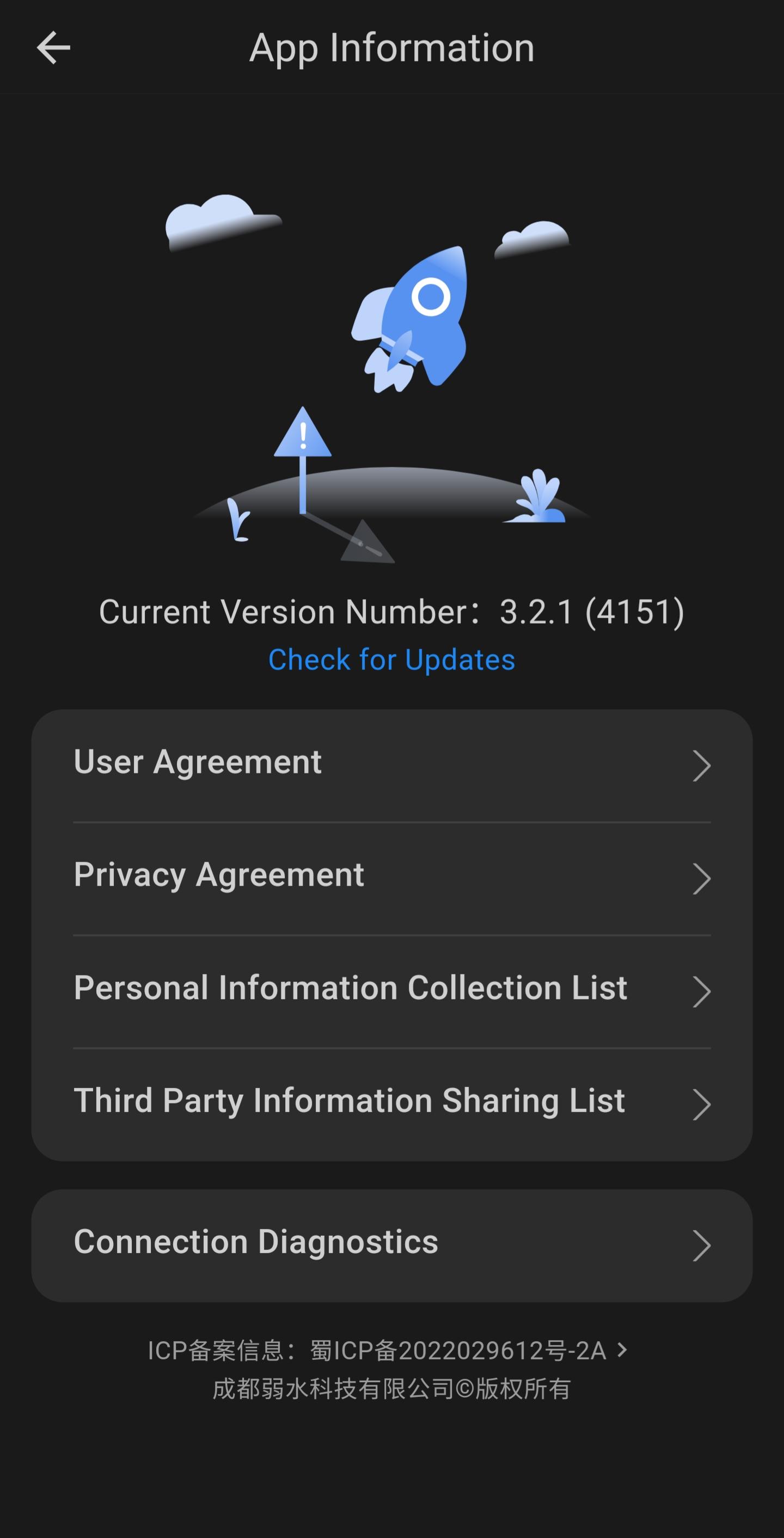
(Screenshots of the S22U Android 14, App English V3.2.1 Firmware 125).
The strong point of the App is that you have a good level of customization in the functions, especially the Touch controls. In addition, the App has a very easy-to-use interface, everything is very well explained. What I really missed wasn’t having a parametric equalizer and also more EQ presets available. Another detail is that the company updates the App too much… On the one hand this is good, they are always improving, but on the other hand, you need to keep updating, it gives the feeling that you are using a product that is still a prototype.
Another very positive point is being able to see the exact amount – in percentage – that is left to discharge, both the charging case and the earphones.
ANC and Ambient sound: The i5 has 4 modes: Active noise cancellation (ANC), Wind Mode, Transparent Mode, and Normal Mode (which is the off mode).
- Transparent mode is the same as what some companies call “ambient sound”, which consists of opening the microphones to capture sounds from around you. I have to say that this function works well on the i5.
- I found the ANC to be very good, it can significantly reduce sounds from lower frequencies as well as mid and high frequencies. The strange thing was that when activating the ANC, it seemed to me that the bass of the earphones also increased.
- I really liked the Wind Mode, which works by reducing the sound of wind. I thought the function worked very well when I had a fan pointed at my face. It was the only mode that didn’t capture wind noise, all the other modes picked up a lot of wind noise. Of course, Wind Mode doesn’t make miracles either, right?
- The normal mode is the sound of the earphones without any feature activated. Unfortunately, in all 4 modes I felt a slight presence of background noise.
Fit and comfort: Positive points on the i5. The earphones have this standard fit, and for me there was no mistake. I already had the Tanchjim Mino, and then the Fiil Key Pro, or even the Earfree i3 itself, which has the same shape. They all have this type of fit. The comfort is great, the earphones are very light, you can hardly notice that there are earphones in your ear. A good TWS for long time of listening. I found the insertion to be shallow to medium, and the isolation was average. This could actually be something important to consider, if the person doesn’t find a good fit, there could certainly be some kind of change in the final sound of the earphone. It’s what I said about the oval nozzle, for me it was good, but it could be better if it were a cylindrical nozzle (in my opinion).
Microphone: In the Mic test, in a quiet environment, I found the quality of the Mic to be very good, although with the addition of a slight background noise. But even so, I could hear my voice clearly. When I tested it with a fan pointing at my face, the audio quality was terrible, very noisy, almost impossible to hear my voice. I even tested it with Wind Mode activated, and it didn’t change anything.
Accessories: The product comes with a USB-A to USB-C cable. I also know that a silicone cover for the charging case is sold separately. If you’re interested, here’s the link: https://s.click.aliexpress.com/e/_olVNCeF

SOUND ASPECTS:
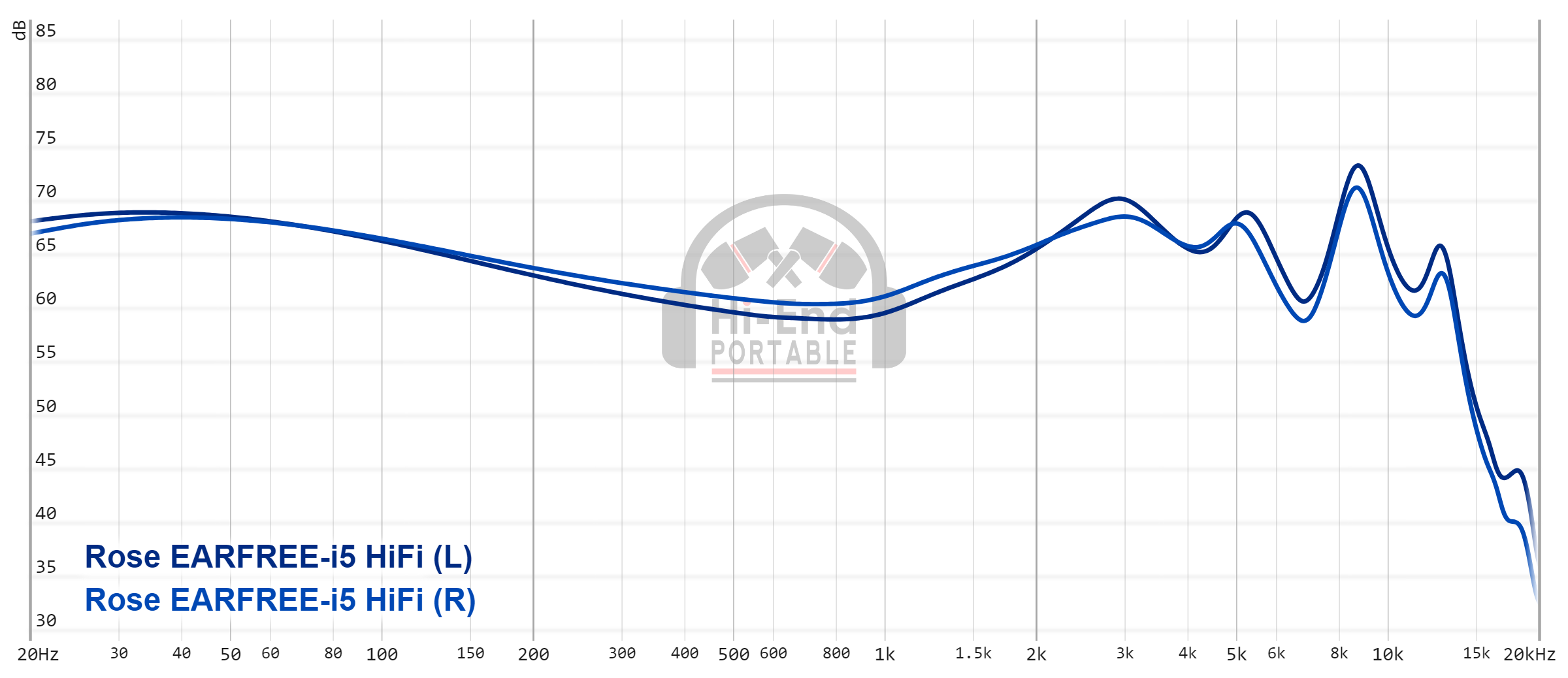
I understood the sound of the Rosselsa Earfree i5 as a Mild V-Shape. In other words, it is a TWS with more prominent bass and treble, but in a less extreme way, which makes the sound more balanced. The i3 was a TWS that I thought had the best tuning among others I heard, and now the i5 also follows the same line with great tuning. The main difference between this and other TWS is that it has a few more treble than the others, and in my opinion this makes it better in terms of the technical side. Let’s say that the i5 starts to get closer to the sound of some wired IEMs, but even so, a wired IEM in the same price range can perform better (in my opinion).
>>I evaluated the i5 with Normal Mode (i.e., turned off) and the HiFi preset.<<
Bass:
Quantitative: The bass of the i5 is moderate. It has a good presence, and I think it’s a level that will please all types of listeners. I would say that the i5 isn’t a basshead, but it has enough bass to please even those who like bass. In my opinion, the FIIL Key Pro is a TWS that has much more prominent bass than the i5. I think the i5’s bass has both sub-bass and mid-bass, but I think it has a little more emphasis on the mid-bass (a subtle difference). I didn’t feel any roll-off, the extension is good.
Qualitative: the bass has warmth, mass, body, texture, and a dose of physicality (although it’s not a physicality that draws much attention). The definition is good, the impact is good, and the speed is good/ok. The bass has a very “natural” tuning, and it fits very well with acoustic music or instruments. Of course, the bass will also perform well with electronic music and electric instruments, but the problem is that it’s very difficult to find a TWS that can play calmer genres well, because most TWSs emphasize the sub-bass region, and this ends up making the presentation very heavy… I didn’t notice this with the i5. The bass isn’t boomy, isn’t bloated, and it doesn’t invade the mids.
Mids:
Quantitative and qualitative: The midrange is a little recessed, but I still think that it has a good balance in the presentation. The midrange is certainly less prominent than the bass and treble, but even so, the midrange is not dark or too distant. On the contrary, I found the quantity here to be quite right, mainly because I am not a big fan of very high pinna gain. The i5’s midrange has good definition and transparency, but in my opinion, if I compare it to a Tanchjim Mino, I think the latter manages to have a little more clarity for the region.
Vocals: I think there’s something interesting about this TWS… On the one hand, male/low vocals were the type of voice that benefited the most from the i5, but on the other hand, female/high vocals also sounded good. I think it’s because of the airy of the earphones’ treble (we’ll see in the next paragraphs). So, the i5 managed to be a very versatile TWS for both types of voices. For example, my library is mostly low vocals, and then I’ll get the best performance from the i5, but also when I’m listening to higher vocals, the i5 won’t do badly.
Treble:
Quantitative: The treble is moderate to high. Fortunately, this seems to be what makes the TWS stand out from the other TWSs on the market. All the other TWSs don’t have the same level of treble as the i3 or the i5. As a result, the treble of the i5 ends up having a very welcome emphasis, and it doesn’t go overboard. In my opinion, I didn’t feel any hearing fatigue, and for this reason, I recommend it even to people who are sensitive to treble. I didn’t feel any roll-off, the extension is good.
Qualitative: The great positive point of the i5 is that it has above-average detail and airy (compared to the other TWSs I’ve heard, with the exception of the i3). This really makes a huge difference in presentations, because you can hear the minutiae of the instruments, and it also makes the presentation more transparent and more faithful. I didn’t notice any sibilance, shrillness, harshness, or fatigue in the treble of the i5. It is indeed a TWS that has more activity in this region of higher frequencies, but in my opinion, it was well implemented. In fact, this is one of the few TWSs to date that I have found good for listening to Jazz or other genres that need a touch more sparkle in the treble.
Soundstage and Imaging: I found the i5’s soundstage to be very good. It has a good sense of depth in the sound. Everything I heard here had a good spatiality in the presentation. The imaging is also very good, but it is something that stands out less than the soundstage. It is possible to hear all the instruments playing with good clarity and space.
Super Master EQ: Since the i5 has few equalization presets, I will briefly comment on what I thought of each one. They are: HiFi, Rock, POP, and Light. The HiFi preset is how I described the sound of the i5 in the review and honestly I think it is the best. I felt that the POP preset basically increased the treble region, but it was something very subtle. With the Rock preset, I felt that the mids were modified, and in a way for the worse, the sound became more boxy. And with the Light preset, there was a cut in the bass region, which left the sound of the TWS completely unbalanced; it’s just upper-mids and treble that you’ll hear. But it’s subjective, each person chooses what they think is best.
Driver flex test: I didn’t hear any driver flex sound when inserting the earphones into my ears.
Amplification: This is different from wired earphones, this is just to talk about the volume level of the product. To my ears, the i5 delivered enough volume, but I think people who like to listen very loud may want a little more. For example, in Windows I was always between 80% and 90% of the volume scale. I can even get to 100% without feeling like it’s too loud.
PROS AND CONS:
– Best sound of a TWS (the i3 too)
– Mild V-Shape sound
– Balanced tuning (for a TWS)
– Good detailing
– Great soundstage
– Excellent charging case
– Great customization in the App
– BT signal connectivity
– LDAC codec
– No latency
– Great battery (earphones + case)
– Multipoint connection
– Great fit and comfort
– Very light earphones
– Could have more volume (subjective)
– Lacks parametric EQ and more presets
– Few insertion and isolation
– Wind noise pickup
GRAPHS BY HI-END PORTABLE:
Thank you so much for being here!
Follow us on Instagram to get all the news!
We also have a group on Telegram, let’s talk.

 )
)

 IEMs and Music