>>I am brazilian and I speak portuguese, so forgive my english, I’ll use translation tools to help<<
INTRO:
A veteran in the audio world, the German company Sennheiser has renewed its line of in-ear earphones with the new models: IE 200, IE 300, IE 600, and IE 900. Today, I will review one of the most affordable on this list, the IE 200.
We know that Sennheiser is a company with a long tradition and high quality, but how does it fare against the strong competition from Chinese IEMs that we’ve seen lately?
Price: $159,95 USD
Color: Black
Cable: No Mic
SENNHEISER LINKS:
SPECIFICATIONS:
Single DD:
- (1) 7mm Dynanic Driver per side
– Frequency: 6Hz – 40kHz
– Effective frequency: 20Hz – 20kHz
– Impedance: 16Ω/18Ω (without cable/with cable)
– SPL: 119dB (1kHz, 1Vrms)
– THD: <0.08% (1kHz, 94dB)
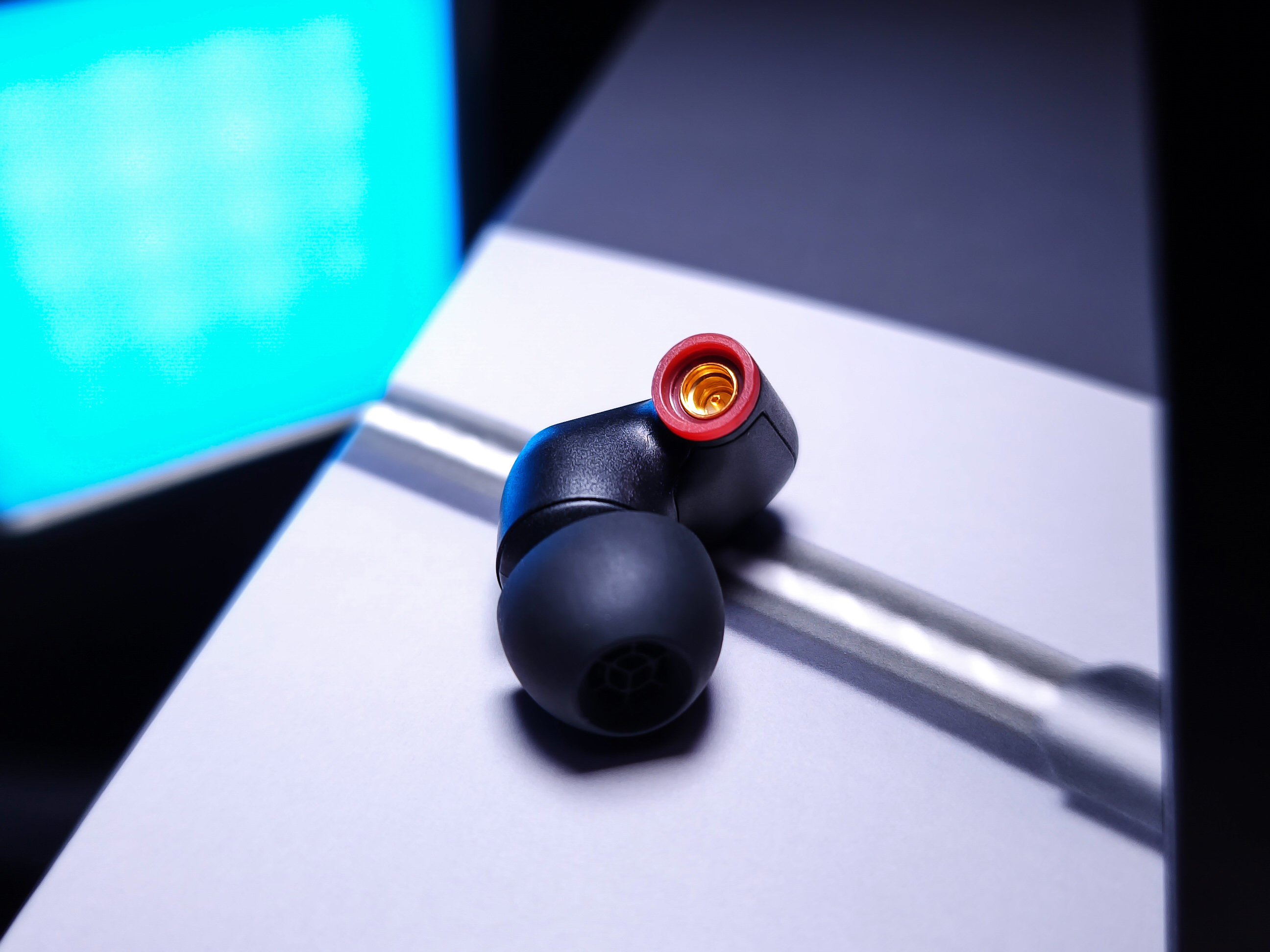
– Connectors: MMCX-recessed (detachable)
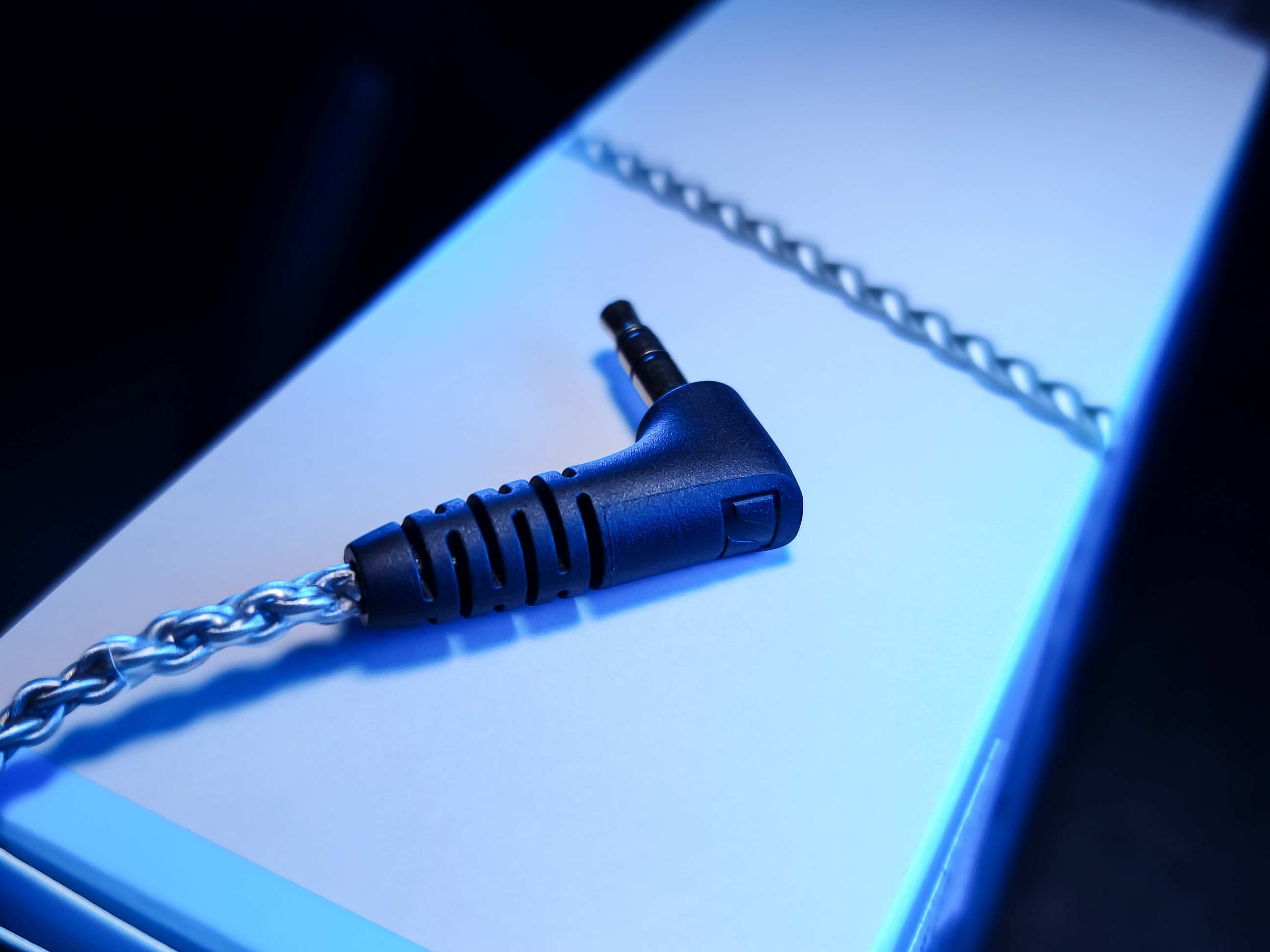
– Termination plug: 3.5mm (L design)
– Cable size: 1.25m
– Cable material: OFC para-aramid fiber
– Shell: Plastic
– IEM weight: 1.6g (one side)(without eartips)
– Cable weight: 11.5g
– Total weight (packaging, iems, etc): 146g
– Packaging size: 22cm [H] x 13cm [W] x 5.7cm [D]
Designed in Germany, assembled in China
UNBOXING:
PHYSICAL ASPECTS:
Construction:
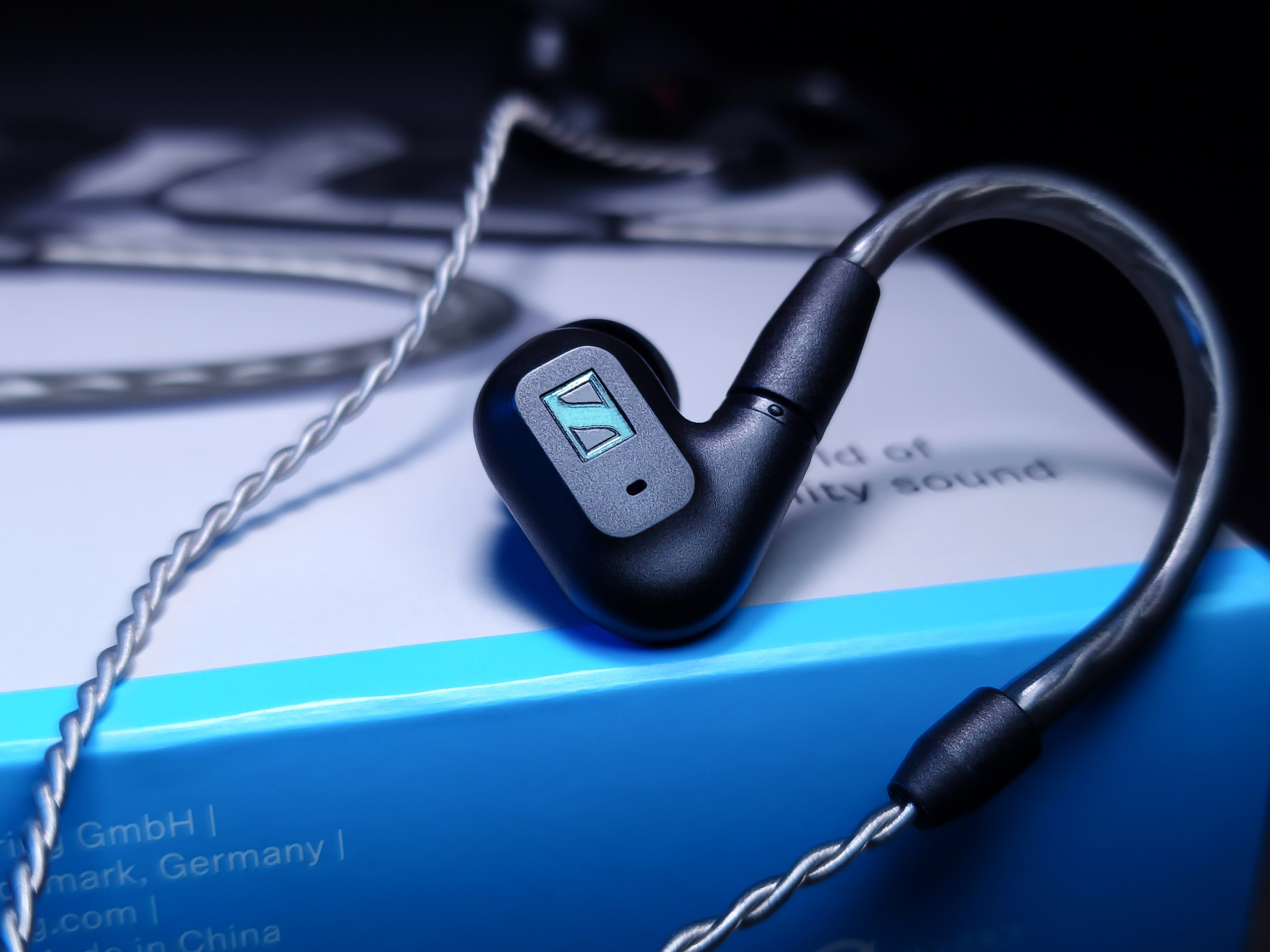
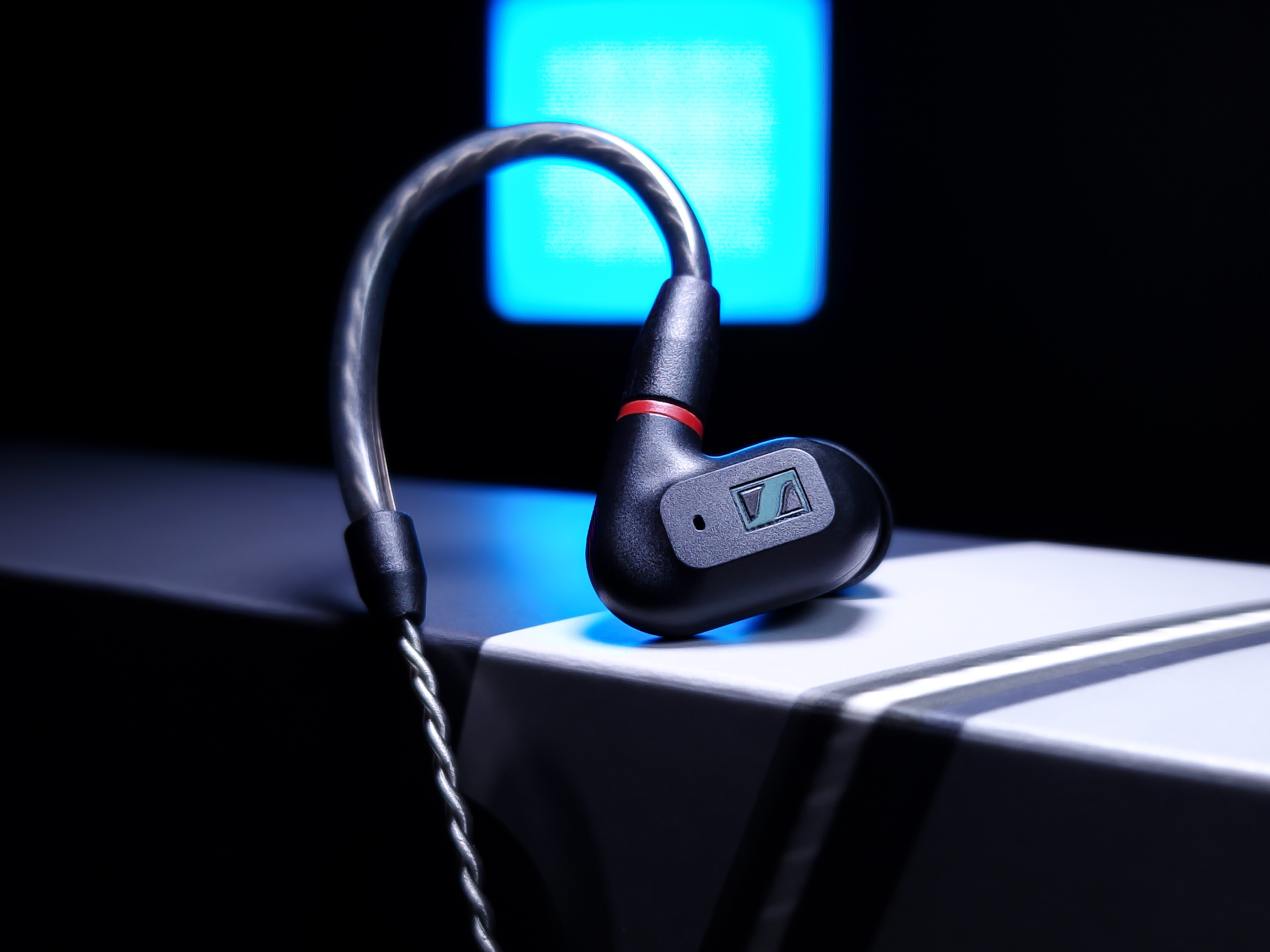
- The shell is entirely made of plastic.
- The IEM have a minimalist aesthetic.
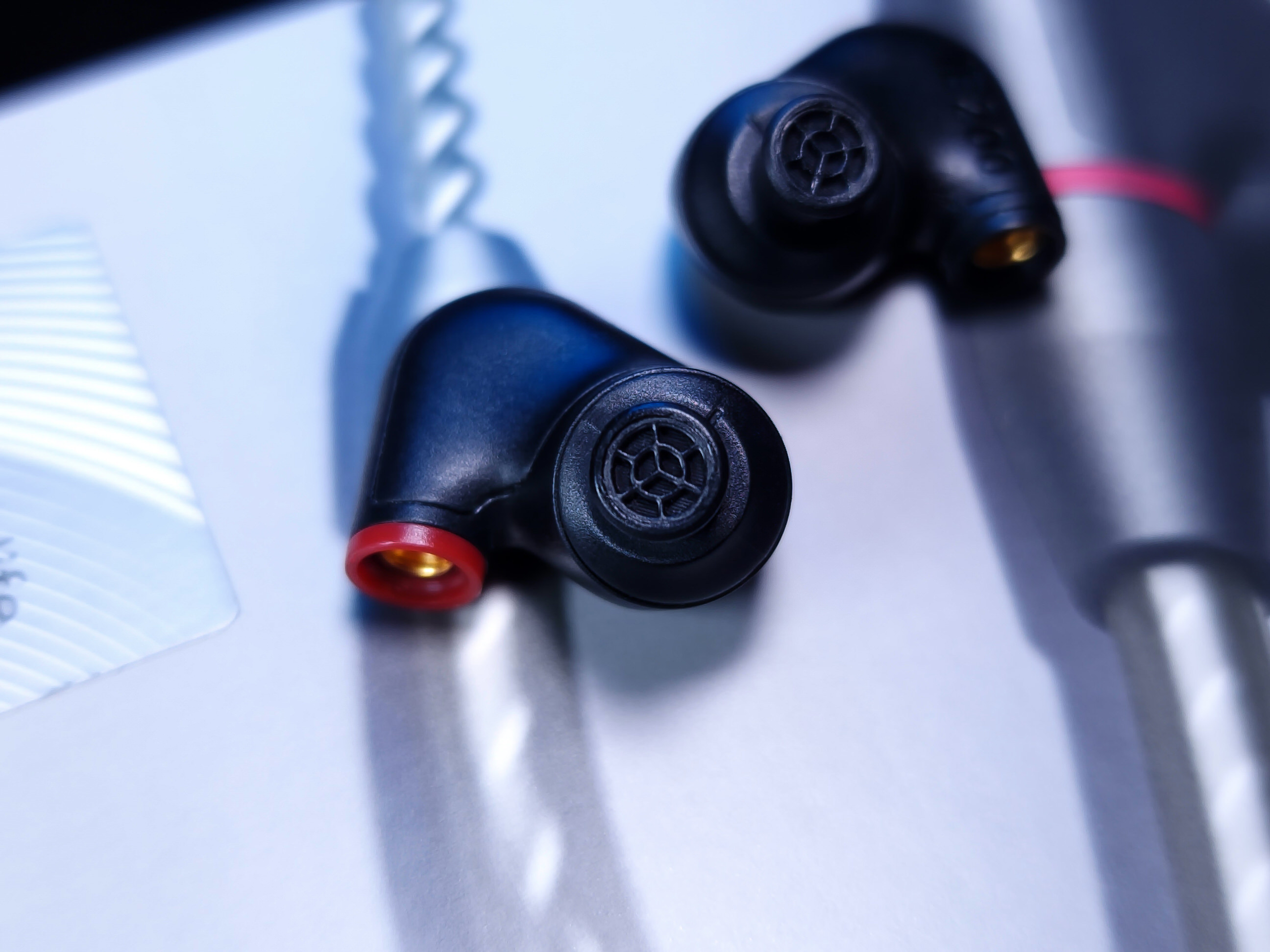
- They have 2 vents per side.
- Good build quality. Although it’s plastic, it’s well-made.
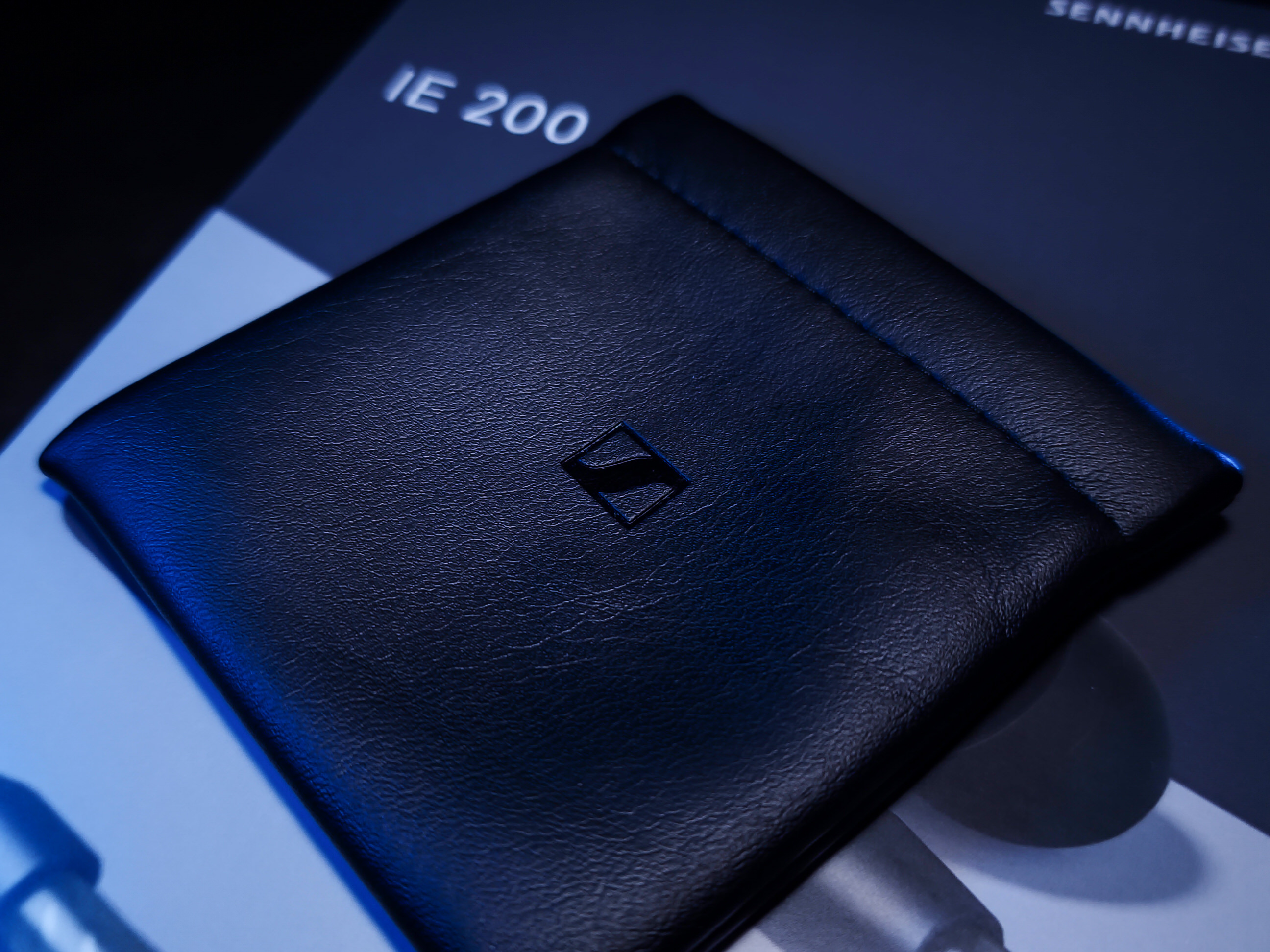
- The carrying case is a faux leather pouch style.
- I found it too small, in my opinion, it’s not suitable for storing the IEM.
- I think that, for the price, it could be a rigid or semi-rigid case.
- The unboxing was very simple. From the material of the case to the accessories.
- The unboxing experience wasn’t impressive… for the price and the brand.
- ChiFi IEMs have better cables, better cases, more eartips, etc.
Eartips:
- 2 types of eartips: silicone and foam.
- Sizes S/M/L.
- Standard: if you wear M, then it’s M.
- The eartips are simple, good material, but nothing incredible.
- I don’t use foam eartips.
- They are proprietary, but the IEM accept any type of eartips.
- The silicone eartip has foam inside the tube.
- I don’t see the need to buy more eartips (subjective).
- I did the review with the silicone eartips (size M).
Cable:
- The cable is the IEM’s weakest point. Negative point.
- Low malleability.
- Tangles easily.
- Develops “memory” (ripples).
- Presents some microphony.
- The MMCX connector is recessed, so not just any cable fits.
- MMCX connectors have the characteristic of rotating the cable/IEM.
- The earhooks are moldable, you can shape them as you wish.
- The chin slider is encased in plastic. It works, but its durability is questionable.
- I see the need to acquire another cable (subjective).
- One positive point: it’s lightweight and thin.
Fit and comfort:
- Horizontal fit. Excellent stability.
- Very comfortable, ultra-lightweight earphone. A major plus.
- Certainly one of the lightest – if not the lightest – I’ve ever reviewed.
- Only 1.6g per side!!
- Good shape for all ear types.
- Good for long hours of use.
- Very discreet, without protruding parts.
- Medium insertion.
- Good isolation.
Earphone kit (accessories):
- IE 200 earphones.
- 3 pairs of silicone eartips (sizes S/M/L).
- 3 pairs of foam eartips (sizes S/M/L).
- 3.5mm cable.
- Carrying case.
- Quick start guide.







SOUND ASPECTS:
Sound:
- Relaxed, clean, and direct sound.
- Mild V-shape tuning, or also, “balanced” with emphasis on bass.
- Boost in bass, linear mids and treble.
- I found the sound a little “dry” (for my taste).
- I understand those who will like this characteristic, it gives a feeling of more resolution.
- For me, it could have more warmth and musicality.
- Perhaps it’s ideal for monitoring (only testing in practice will tell).
- Good technicalities. Great definition.
- Tonally speaking, the IE200 has a pleasant tuning, without errors.
- In my opinion, these IEM should cost less, $100 or sub-$100 USD range.
- It’s possible to find competitors on ChiFi for similar or lower prices.
- The NF ACOUS NA20 is an IEM that I consider to be better than the IE200 (to my ears).
Bass:
– Quantitative:
- Moderate / moderate to high.
- Not for bassheads, but it has an interesting amount.
- Mid-bass with a slight emphasis more than the sub-bass.
- Sub-bass present, however, only slightly lower than the mid-bass.
– Qualitative:
- The bass is full, rich, clean, versatile, with good definition and good extension.
- It has good impact and good physicality.
- The bass isn’t very textured, it’s more “polished.”
- The bass is the most prominent frequency.
- It doesn’t invade the mids.
- It’s not bloated, muddy, or boomy.
- Percussion beats sound clean and tight.
- The acoustic guitar sound is full-bodied and well-defined.
- The bass adapts to various musical styles.
- Good for acoustic or electric instruments.
Mids:
– Quantitative and qualitative:
- Linear midrange. Neither recessed nor “forward”.
- Also neither warm nor cold.
- Natural pinna gain.
- Excellent clarity, transparency, and definition.
- It didn’t present any aggressiveness at any point.
- I’m sensitive in the upper-mids, and the IE200 didn’t bother me.
- If you are looking for very forward midrange, this isn’t the case here.
- Vocals sound with good definition and naturalness.
- Snare drums play coherently (without recess or aggressiveness).
Voices:
- Good for both types, but not excellent for either.
- Low vocals sound a little better due to the amount of bass.
- The lower timbres lack a bit more texture and warmth.
- Female/high-pitched voices have good definition, but lack that extra touch of energy.
- I consider it a good IEM for whispering voices.
Treble:
– Quantitative:
- Moderate treble.
- Not for trebleheads.
- I didn’t experience fatigue from the treble.
- Quantitatively I found it good, qualitatively it didn’t please me in one aspect.
– Qualitative:
- The treble are linear, controlled, fast, with good definition and great extension.
- Defined and natural sparkle.
- Good detailing and airy.
- They aren’t shrill, sharp, or fatiguing.
- I didn’t experience sibilance, peaks, or coloration.
- What I didn’t like is the feeling of them being “dry” treble.
- In some situations, I feel a slight flirtation with harshness.
- For example, recordings with emphasized hi-hats can sound a bit artificial (IMO).
- For other types of treble frequencies, e.g., guitar fingerpicking, the sound is well-defined and natural.
- This factor depends a lot on the recording you’re listening to.
Soundstage:
- Great soundstage.
- IEMs with V or Mild-V shape sound have good spatiality.
- Good in all 3 dimensions: depth, height, and width.
- The sound doesn’t sound congested.
Imaging:
- Excellent instrumental separation.
- Very good stereo imaging as well.
- The resolution and the feeling of “clean” sound help a lot.
- Easy to identify the position of the instruments.
- Bass and treble don’t mix up.
Driver flex test:
- I didn’t notice any driver flex sound.
Amplification:
- Easy to push.
- Doesn’t need a powerful amplifier.
- A DAC/AMP dongle is sufficient.
- I used the IE200 with the FiiO KA11.
- It might scale with more power (but I haven’t tested it).
- I set it between volume 25-30 (out of the 100 available on W10).
COMPARATIVE: SENNHEISER IE200 vs NF ACOUS NA20
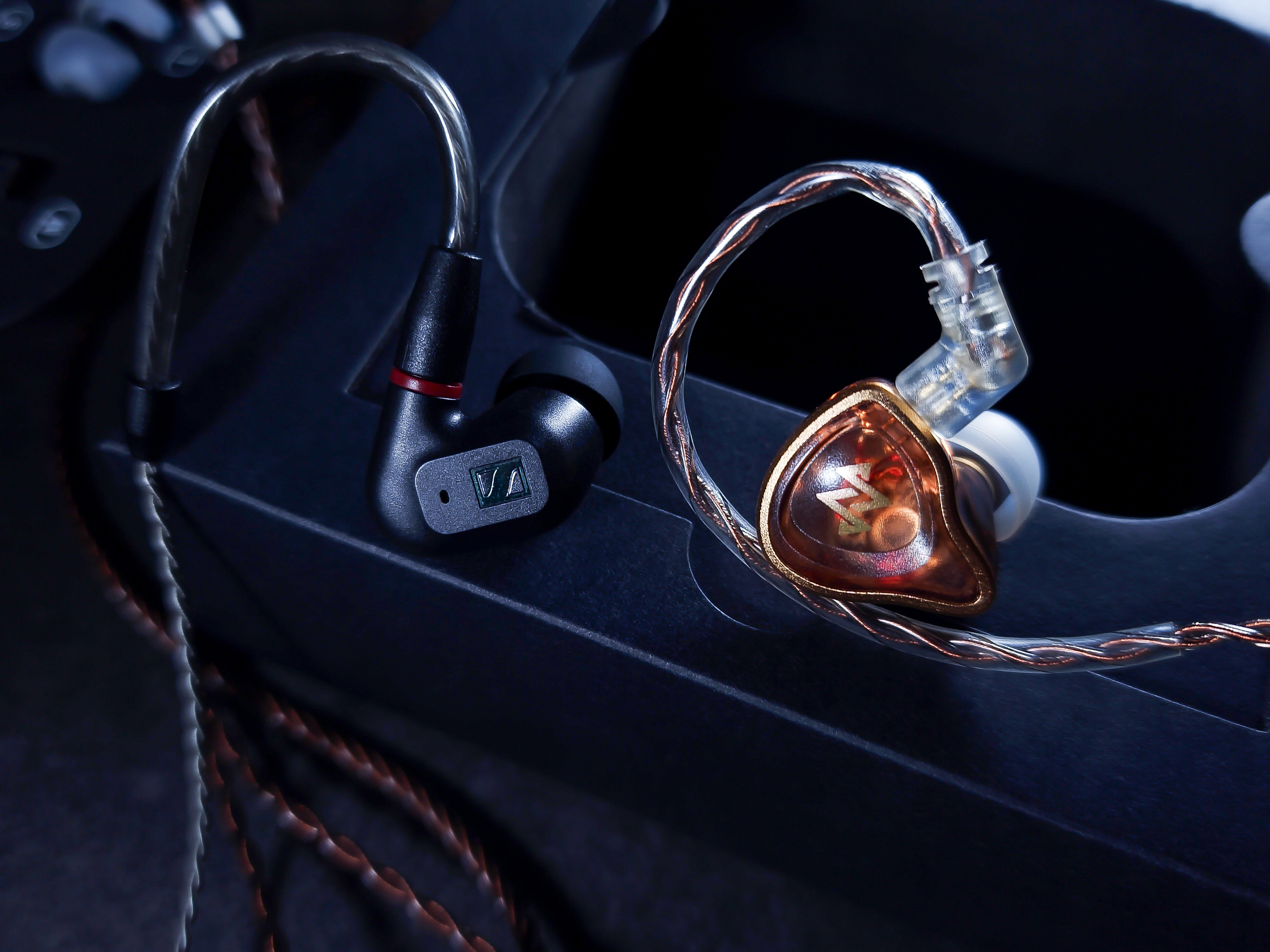
Based on the quick comparison I made here, here’s the verdict: The NA20 is better in everything. Only in the bass are they closer, but even then, the bass of the NA20 manages to have a little more texture and physicality, while the IE200’s bass has a dry feeling. Otherwise, the NA20 is better for me. The mids, the treble, the soundstage, the imaging, the detail, and the airiness of the NA20 are better. Of course, these are subtle differences. The IE200 is a very good IEM, but compared to the NA20, I choose the NA20 (for my ears). In terms of comfort, the IE200 has less “contact” inside my ear, which is a very positive point, but anyone who has tested the NA20 or the NM20 knows that these IEMs are also incredibly comfortable, and are in no way inferior to the IE200. In the IE200, three things I didn’t like right away were: the cable, the moldable earhooks, and the MMCX (because it can rotate). Also, the IE200 seemed to be a more demanding IEM than the NA20, perhaps it scales well with a more powerful AMP or a 4.4mm dongle… I tested both on the FiiO KA11, the NA20 at 20% and the IE200 at 30%.
PROS AND CONS:
– Minimalist aesthetic (subjective)
– Good build quality
– Relaxed and clean sound
– Mild V-shape tuning
– Good resolution
– Great soundstage and imaging
– Easy to push
– Very comfortable to wear
– Good for long hours of use
– Ultralight: 1.6g!
– Moldable earhooks (subjective)
– Good eartips
– The cable is a major drawback
– Recessed MMCX connector
– Simple unboxing experience
– Case is small (and not rigid)
– Somewhat dry sound (subjective)
– Treble with a slight roughness feeling
– For the price, there are superior Chi-Fis
GRAPHS BY SUPER* REVIEWS:

Thank you so much for being here!
Follow us on Instagram to get all the news!
We are on Reddit too.

 )
)

 IEMs and Music