>>I am brazilian and I speak portuguese, so forgive my english, I’ll use translation tools to help<<
INTRO:
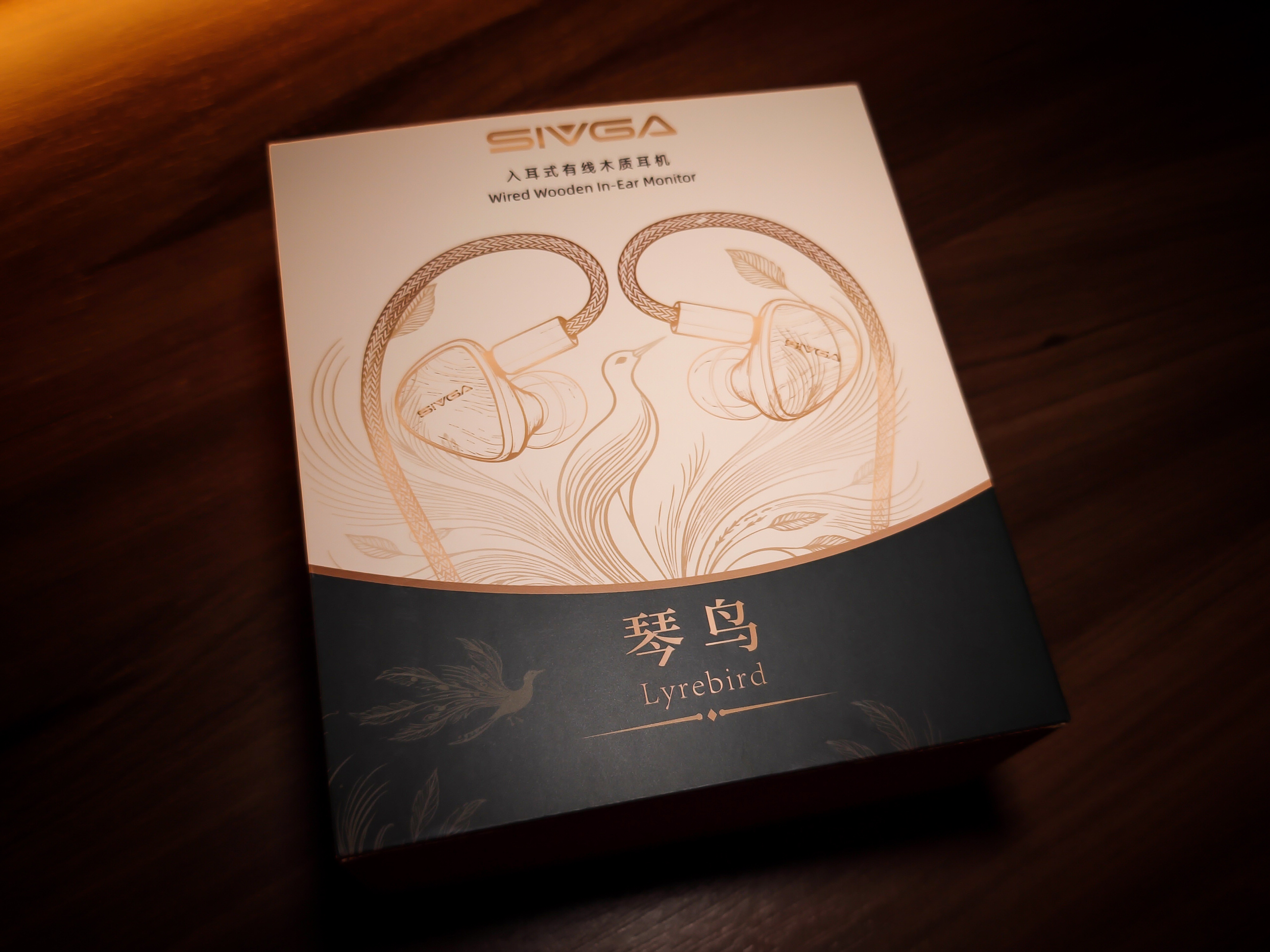
Those who have been following my reviews for a while know I’ve often said that the earphones I enjoy most are those featuring more than one type of driver, the so-called “hybrids.” The new SIVGA LYREBIRD incorporates four different types of drivers. To the best of my knowledge, this is the first hybrid in-ear monitor manufactured by the company.
Price: $169 USD
Color: Wood/Silver
Cable: 4.4mm Balanced
SIVGA REVIEWS: QUE, QUE UTG, NIGHTINGALE PRO, SM100, ROBIN SV021 PRO.
SIVGA LINKS:
https://s.click.aliexpress.com/e/_c3AtngdD (PC)
https://s.click.aliexpress.com/e/_mNxmCLH (APP)
SPECIFICATIONS:
Quad Hybrid:
- (1) 10mm Polymer Composite Dynamic Driver
- (1) Balanced Armature BA
- (1) Micro Planar Driver
- (1) 9.2mm Multilayer Piezoelectric Ceramic Driver
– Effective frequency: 20Hz – 20kHz
– Impedance: 14Ω (±15%)
– Sensitivity: 108±3dB
– THD: ≤1%
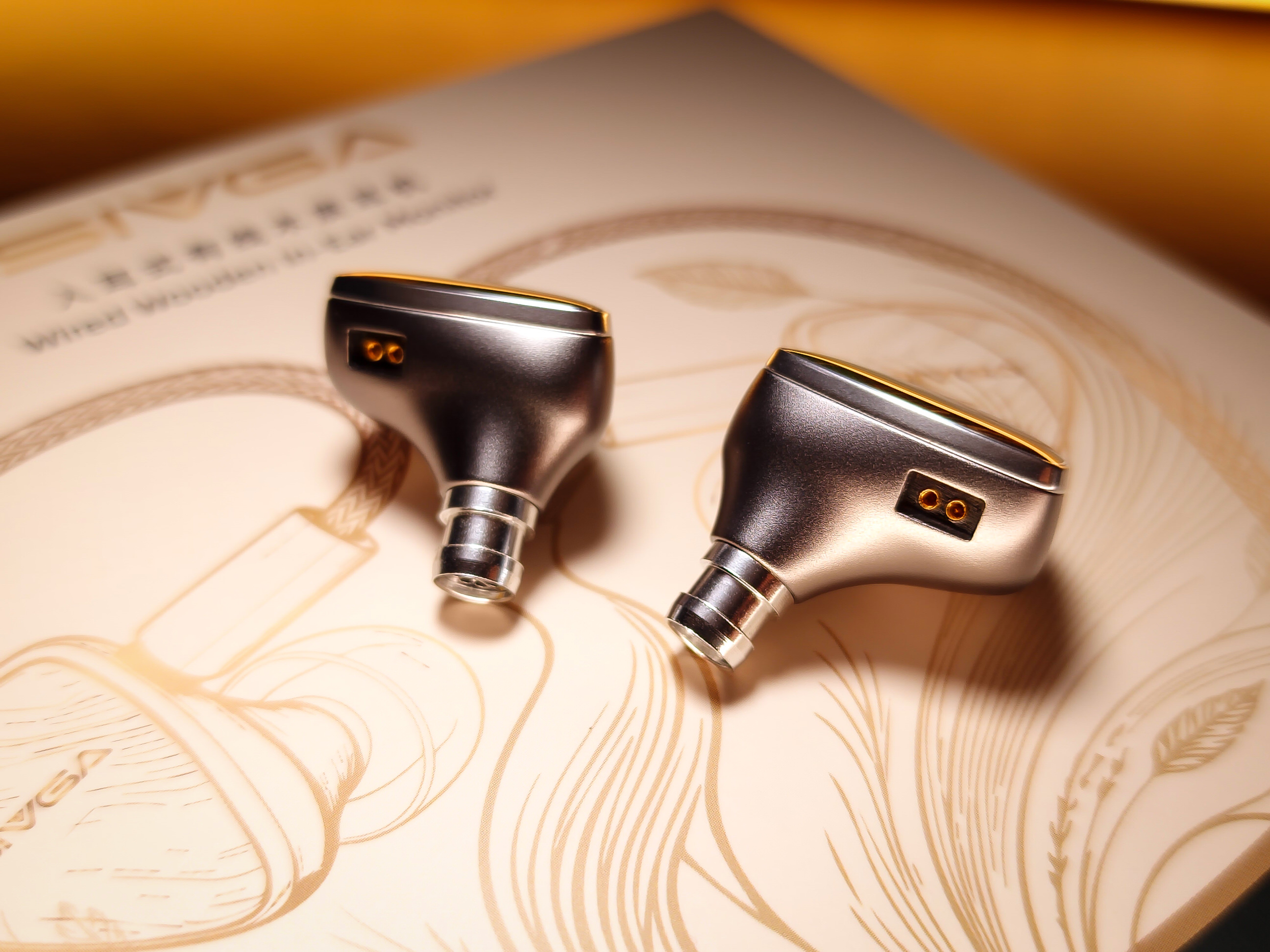
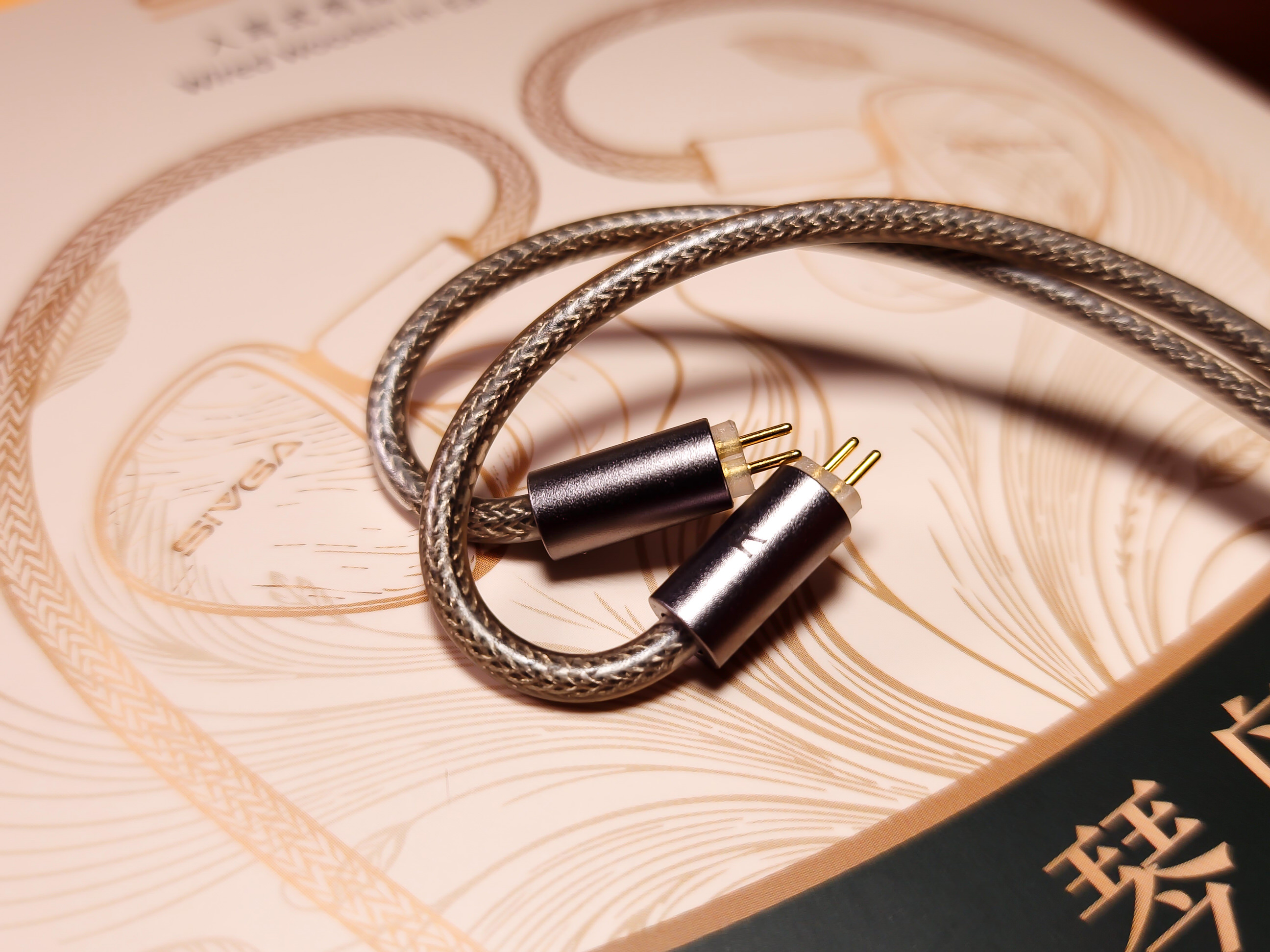
– Connectors: 2pin 0.78mm (detachable)
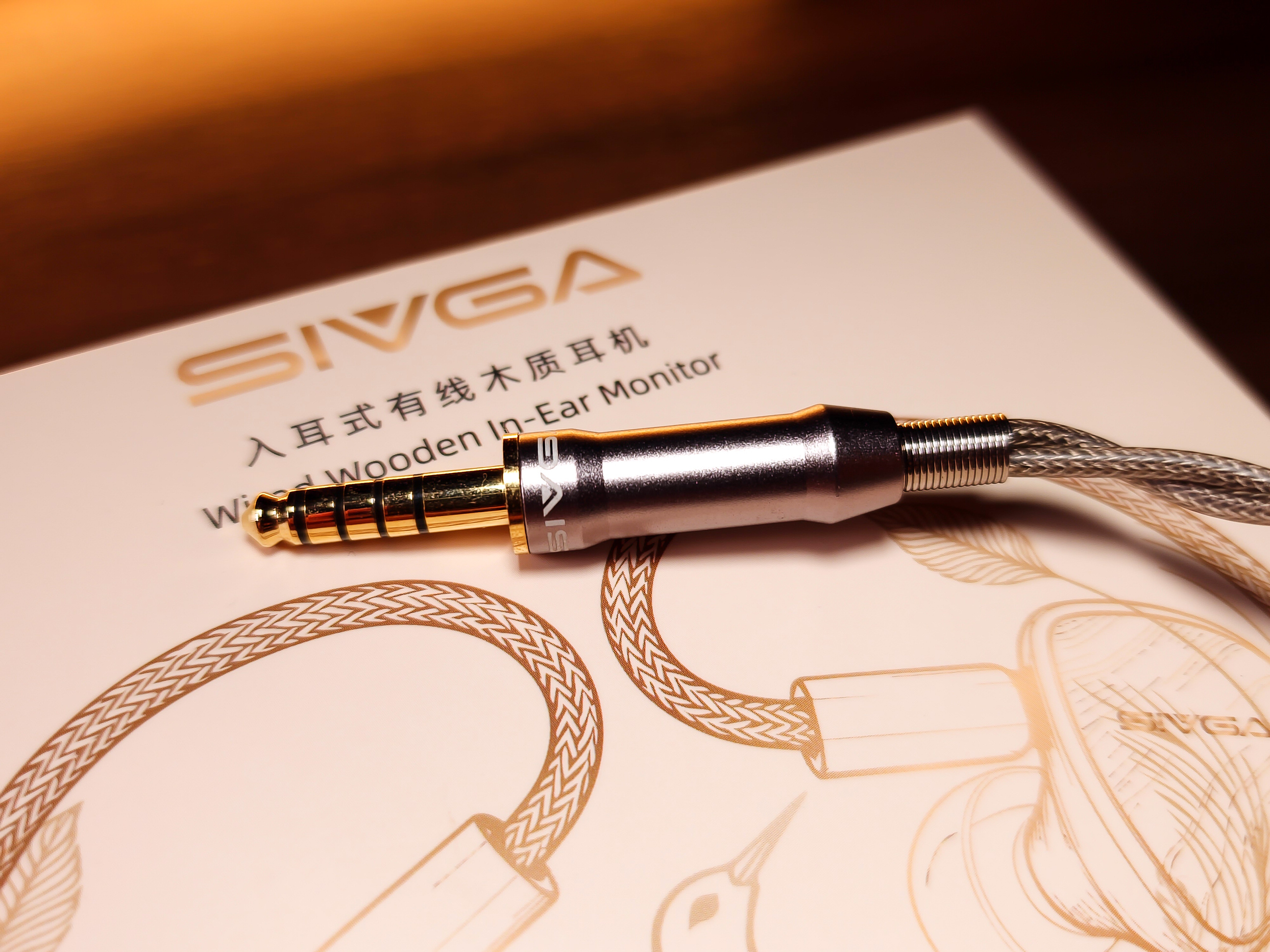
– Cable Plug: 4.4mm Balanced (straight design)
– Cable size: 120cm±10cm
– Cable material: silver-plated copper
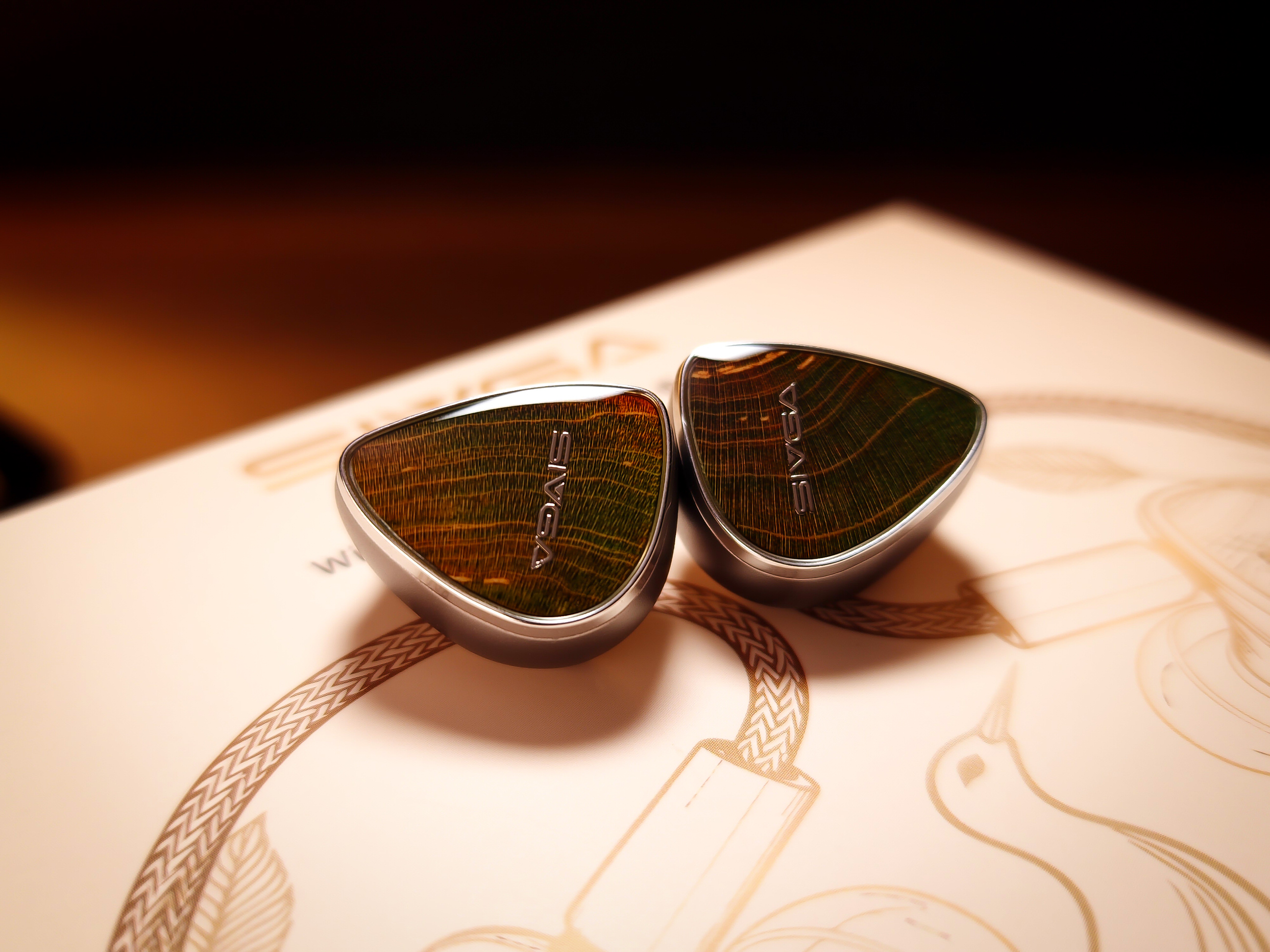
– Shell: aviation aluminum alloy + wood
– IEM weight: 6.1g (one side)(without eartips)
– Cable weight: 28.1g
– Total weight (packaging, iems, etc): 288.2g
– Packaging size: 14.5cm [H] x 13cm [W] x 5.5cm [D]
UNBOXING:
PHYSICAL ASPECTS:
Construction:
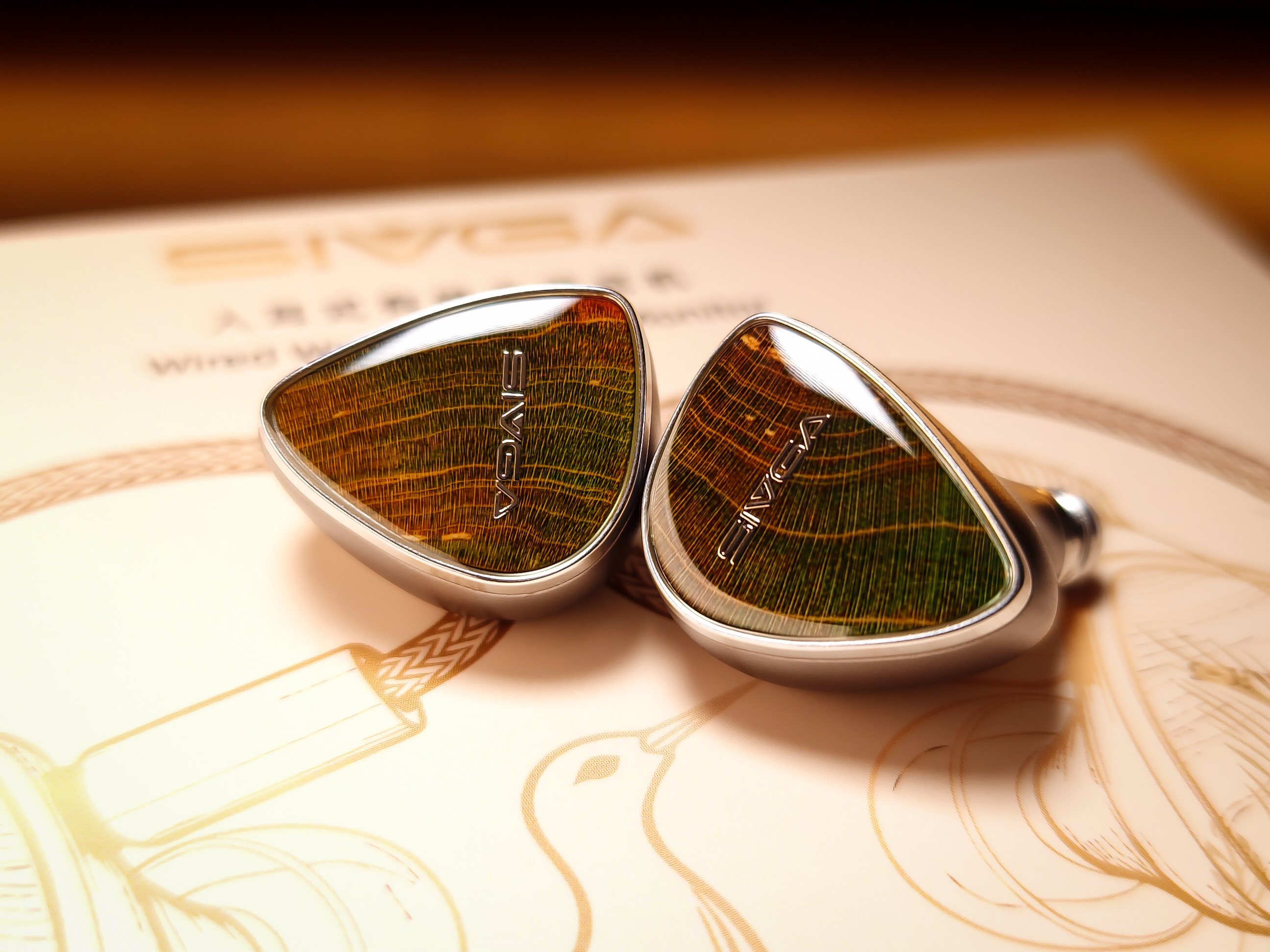
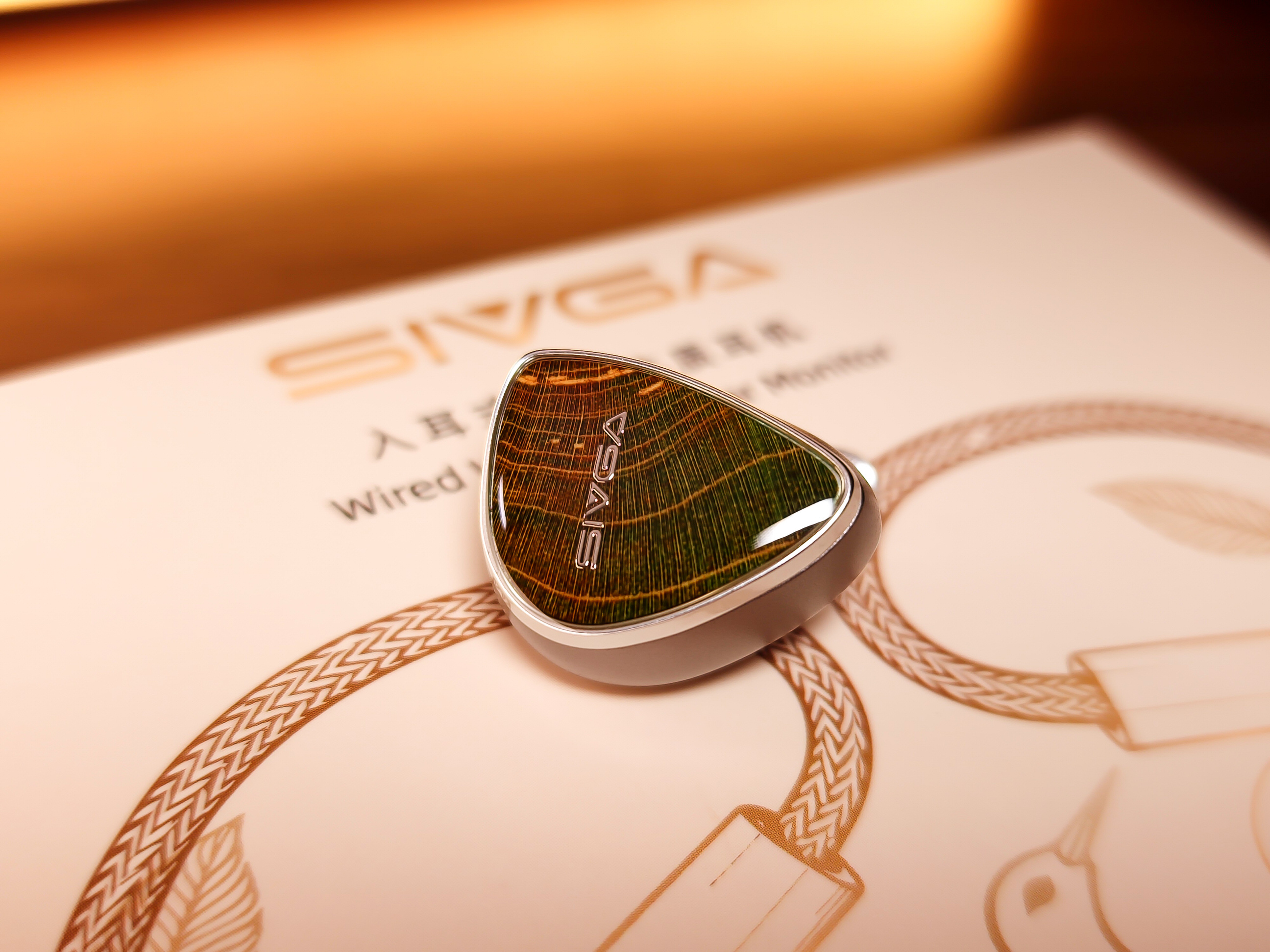
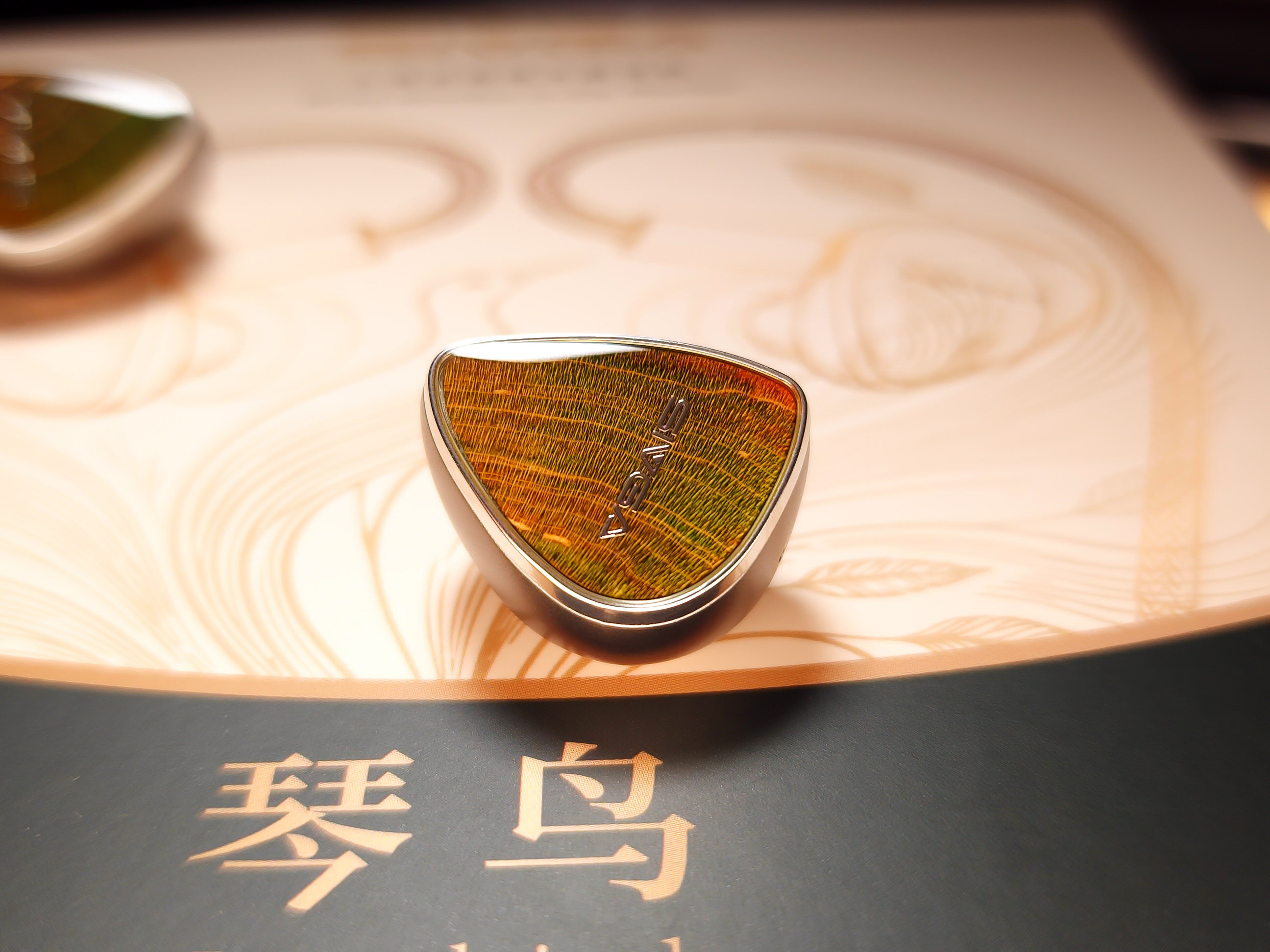
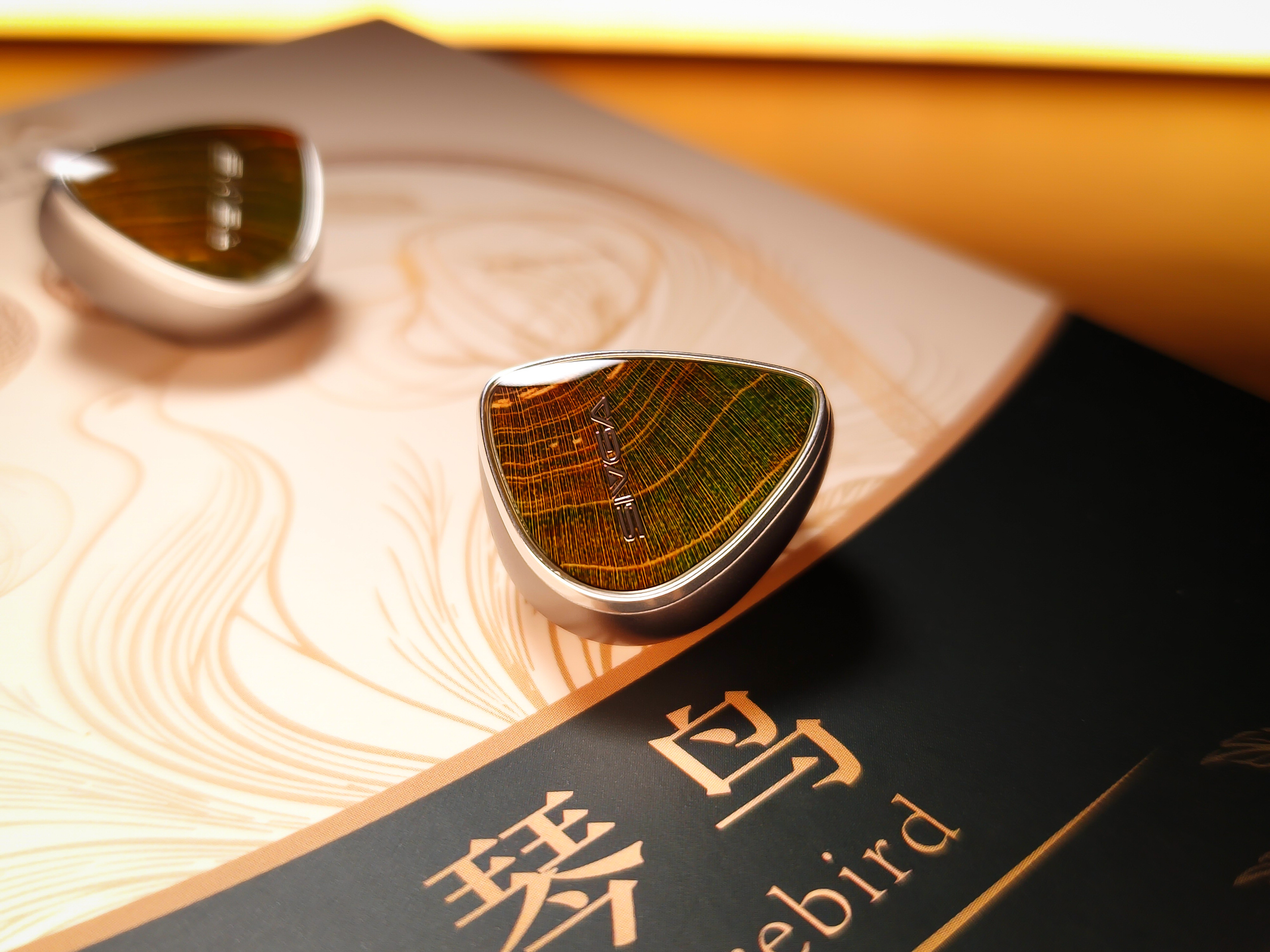
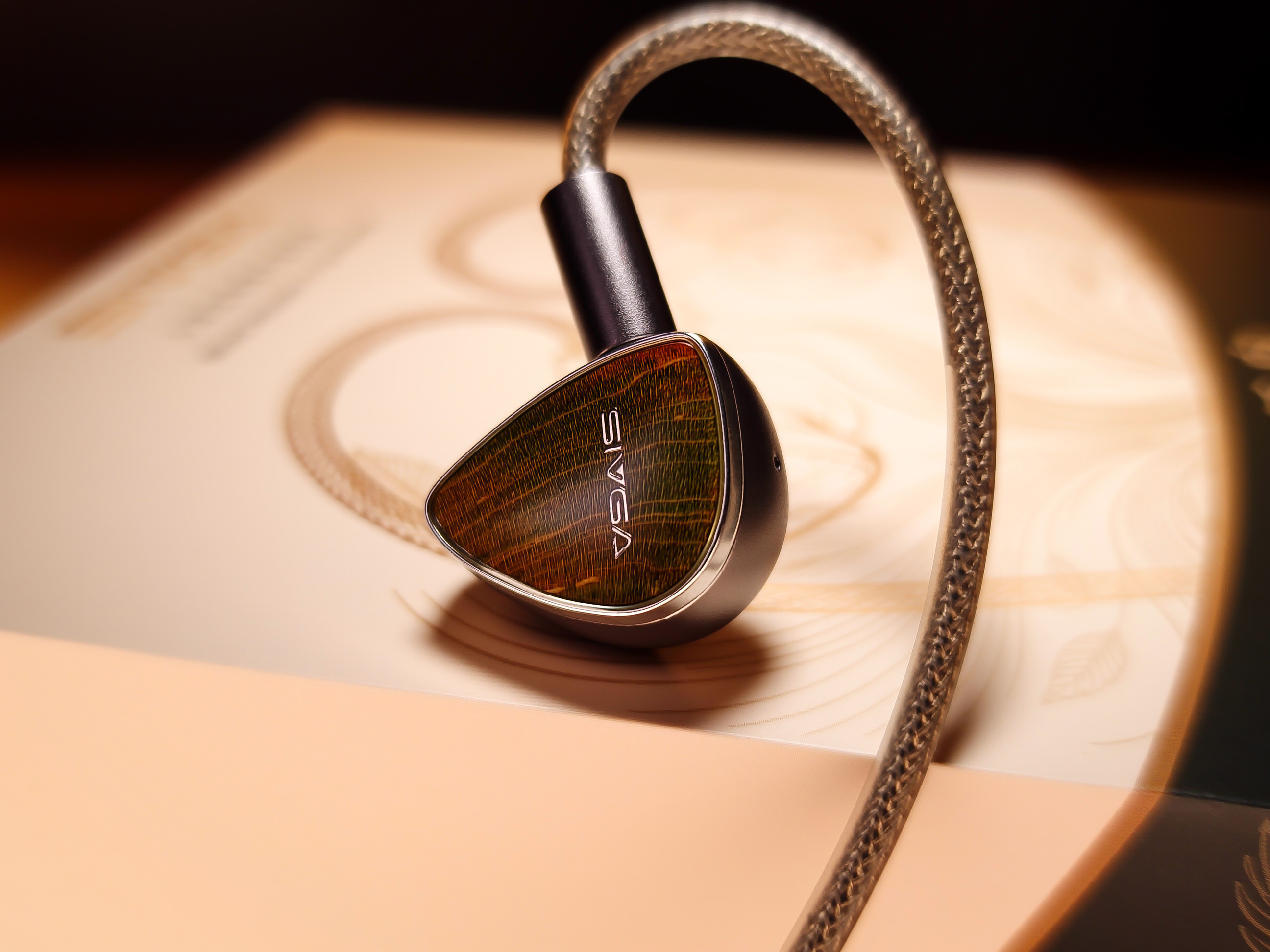
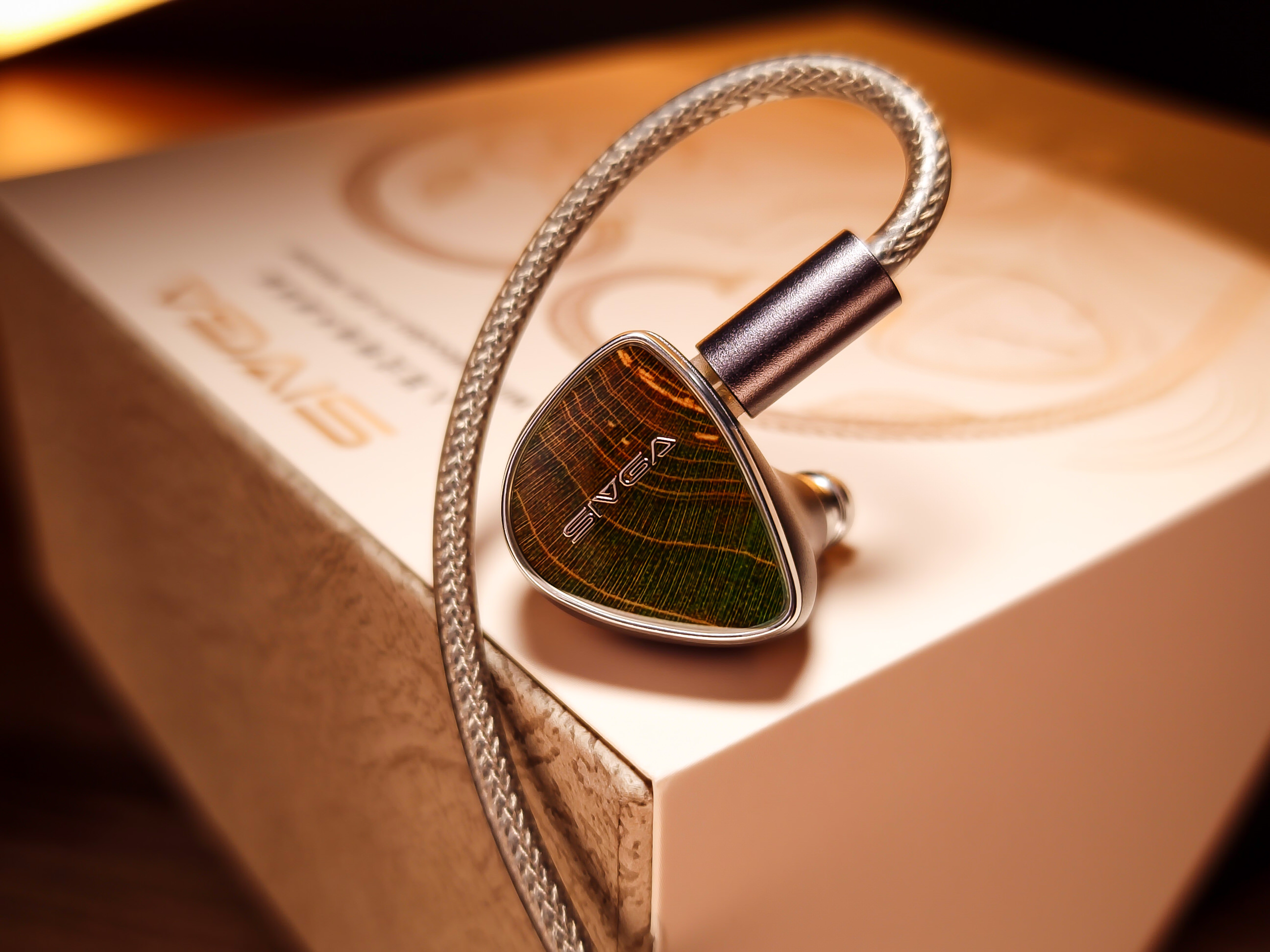
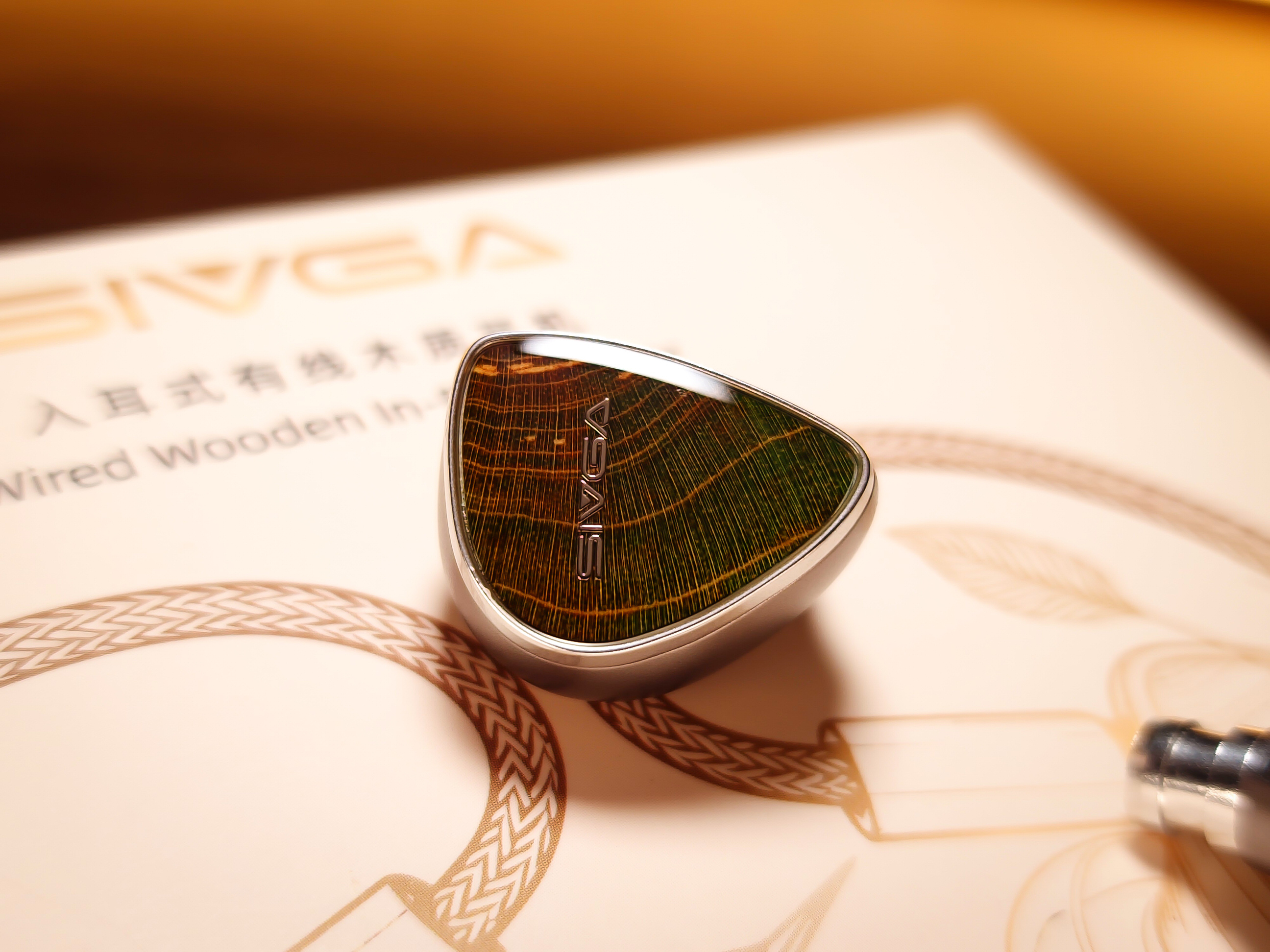
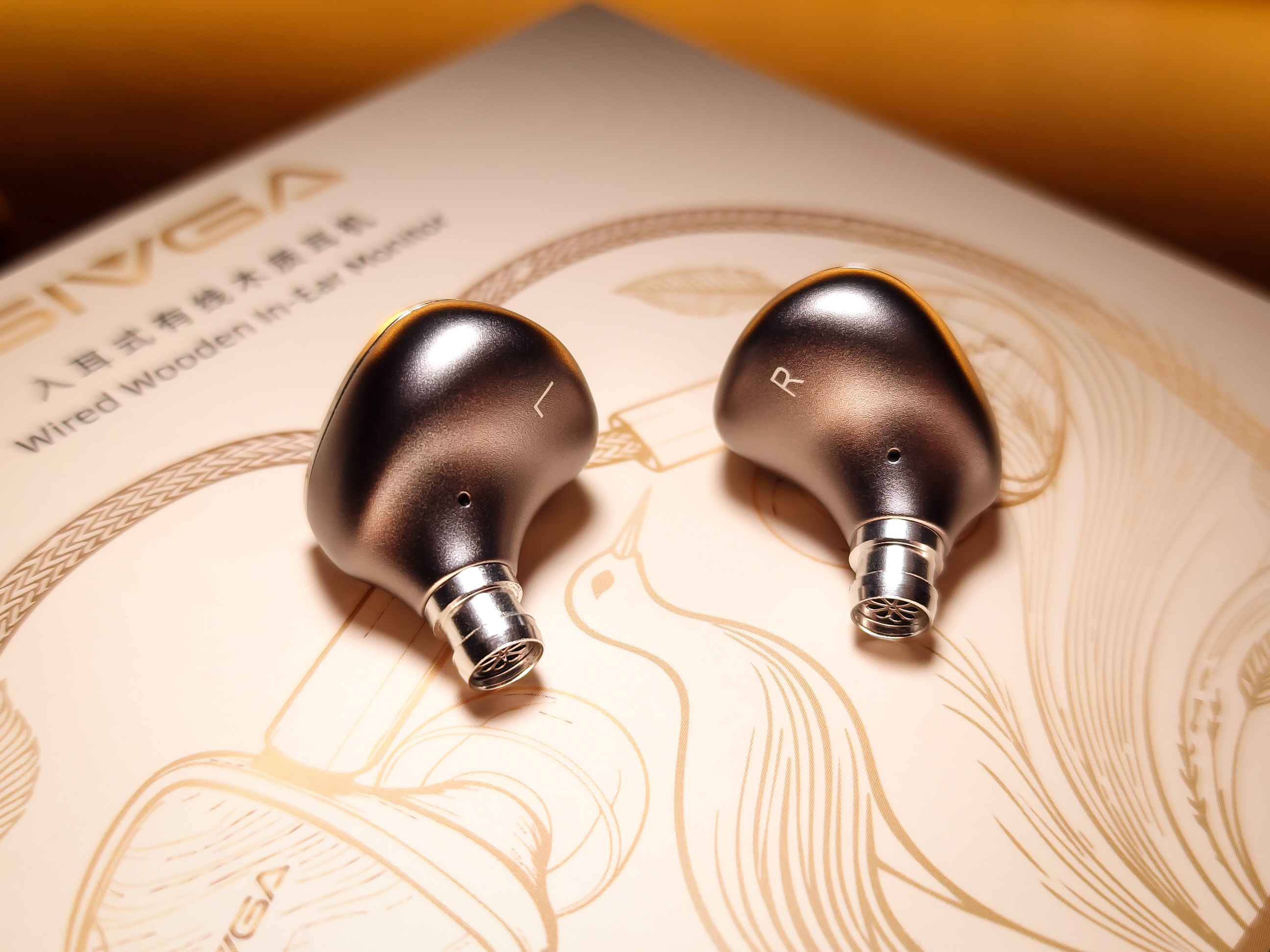
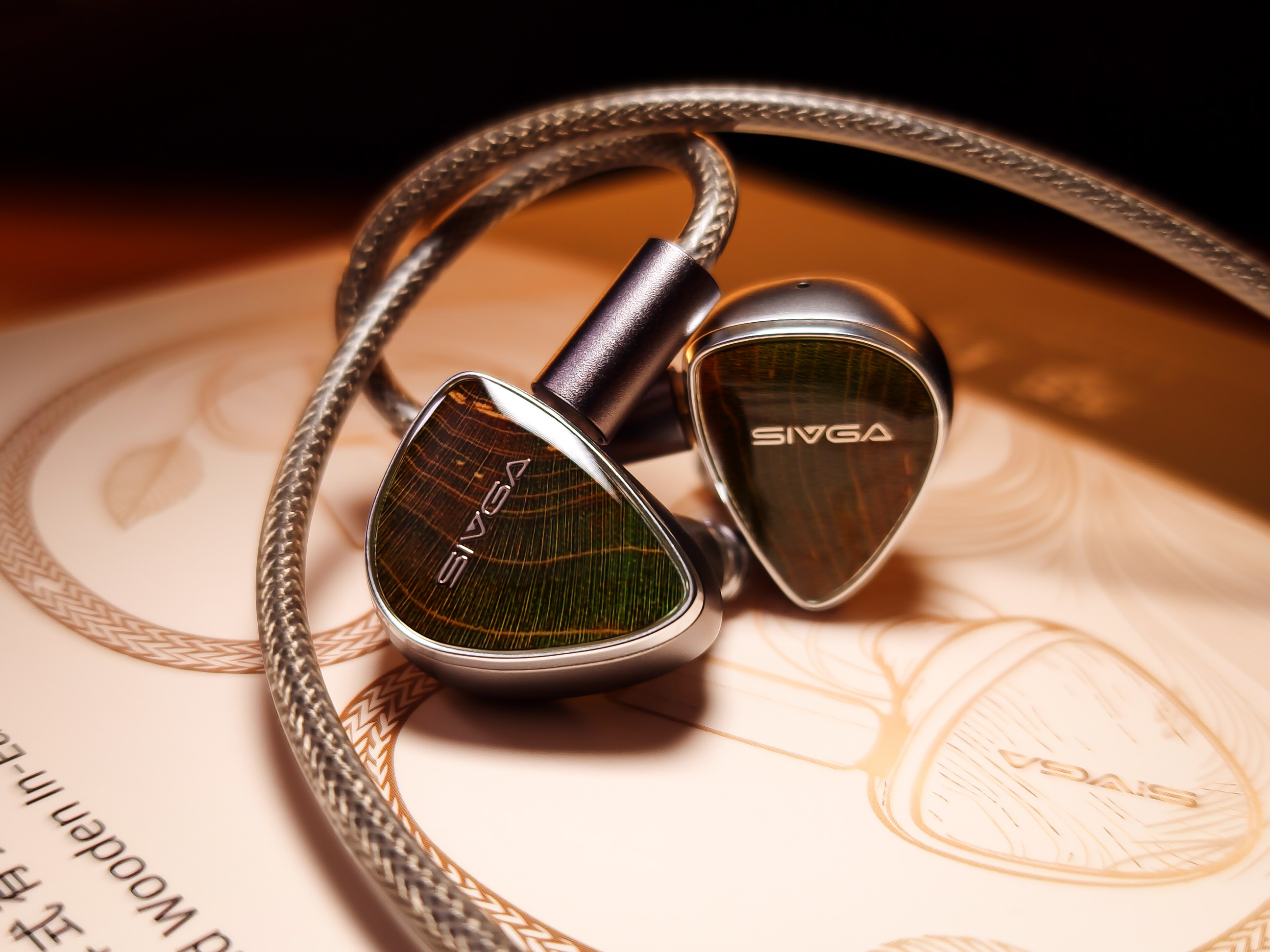
- Starting with the IEM’s beautiful design and aesthetics (subjective).
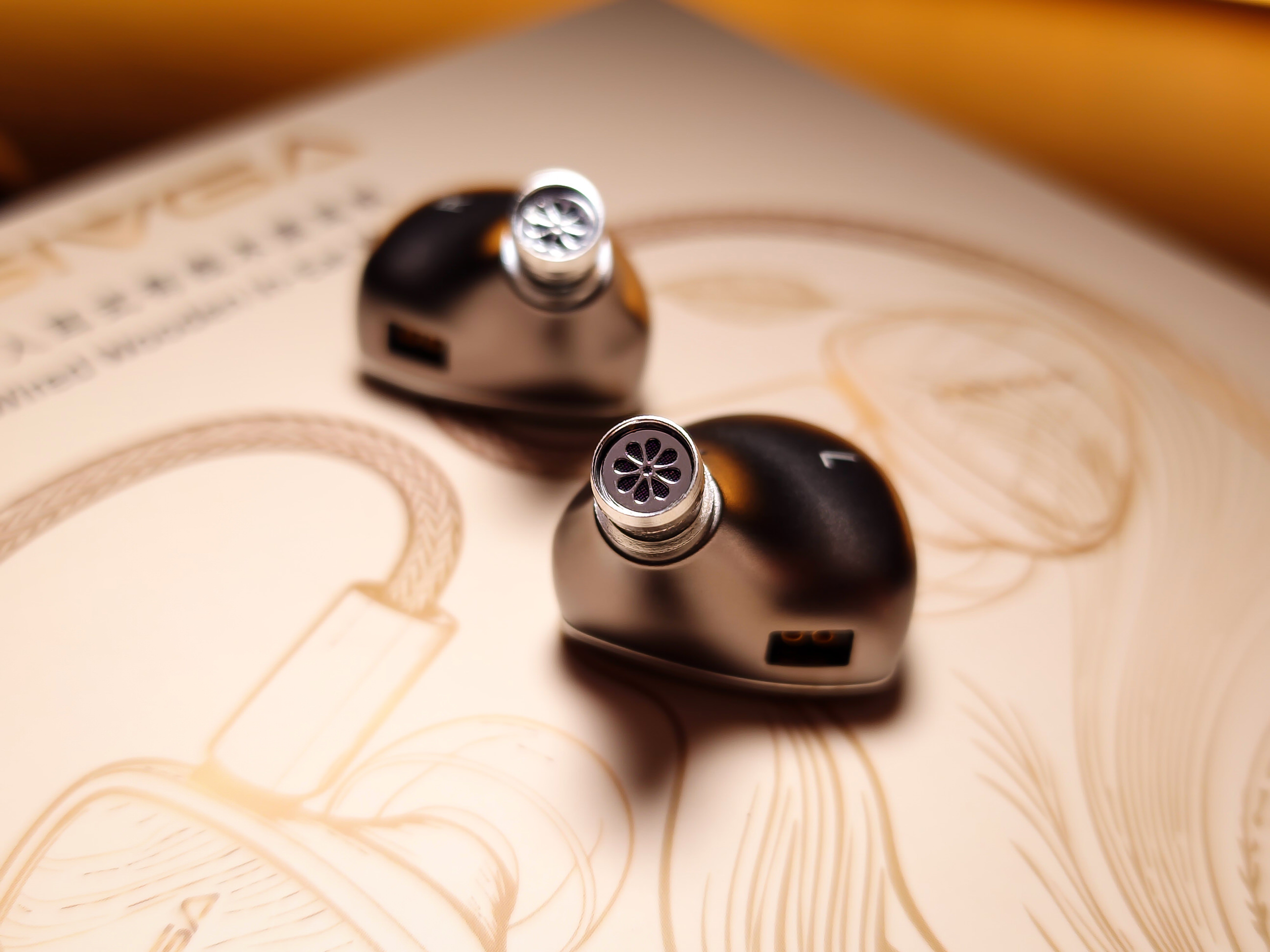
- Shell made of aviation-grade aluminum alloy.
- Faceplate made of resin-coated wood.
- Each faceplate is unique, the wood pattern is never repeated.
- Excellent build quality.
- Features two vents.
- Great unboxing experience.
- Elegant packaging. Quality accessories.
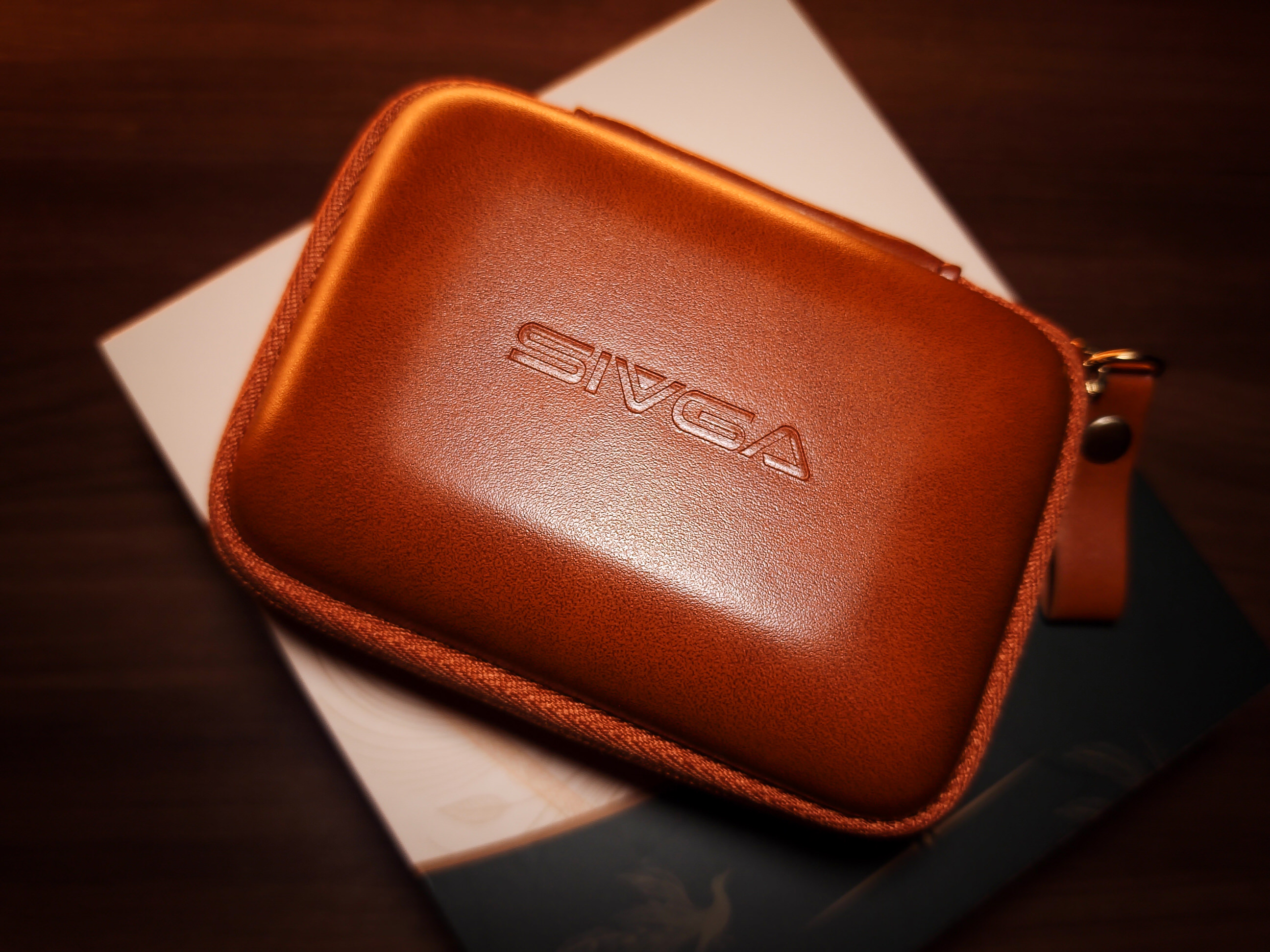
- Great carrying case. Faux leather finish. Semi-rigid, compact, and lightweight.
- Embossed logo. Zipper closure.
Eartips:
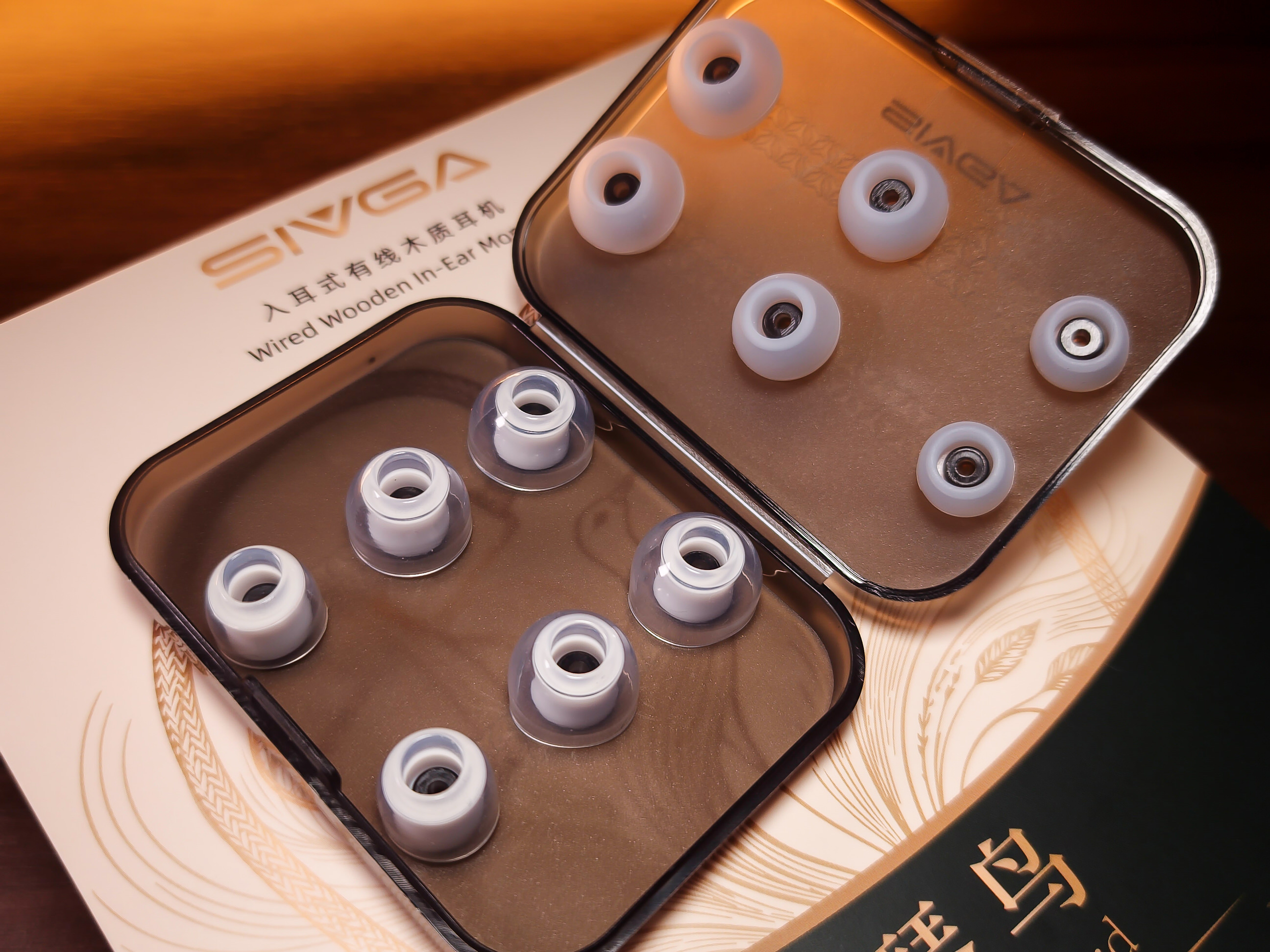
- Two types of eartips: wide-bore (white) and liquid silicone (transparent).
- It comes with 6 pairs plus 1 pair pre-installed on the earbuds (7 pairs total).
- Eartips are a very subjective: what works for me might not work for someone else.
- I’m not used to using wide-bore or liquid silicone eartips.
- The included eartips are good, but they don’t quite suit my needs.
- In my opinion, they could have included an additional one, something “standard”.
- I reviewed the sound using the SpinFit CP100 eartips (size M).
Cable:
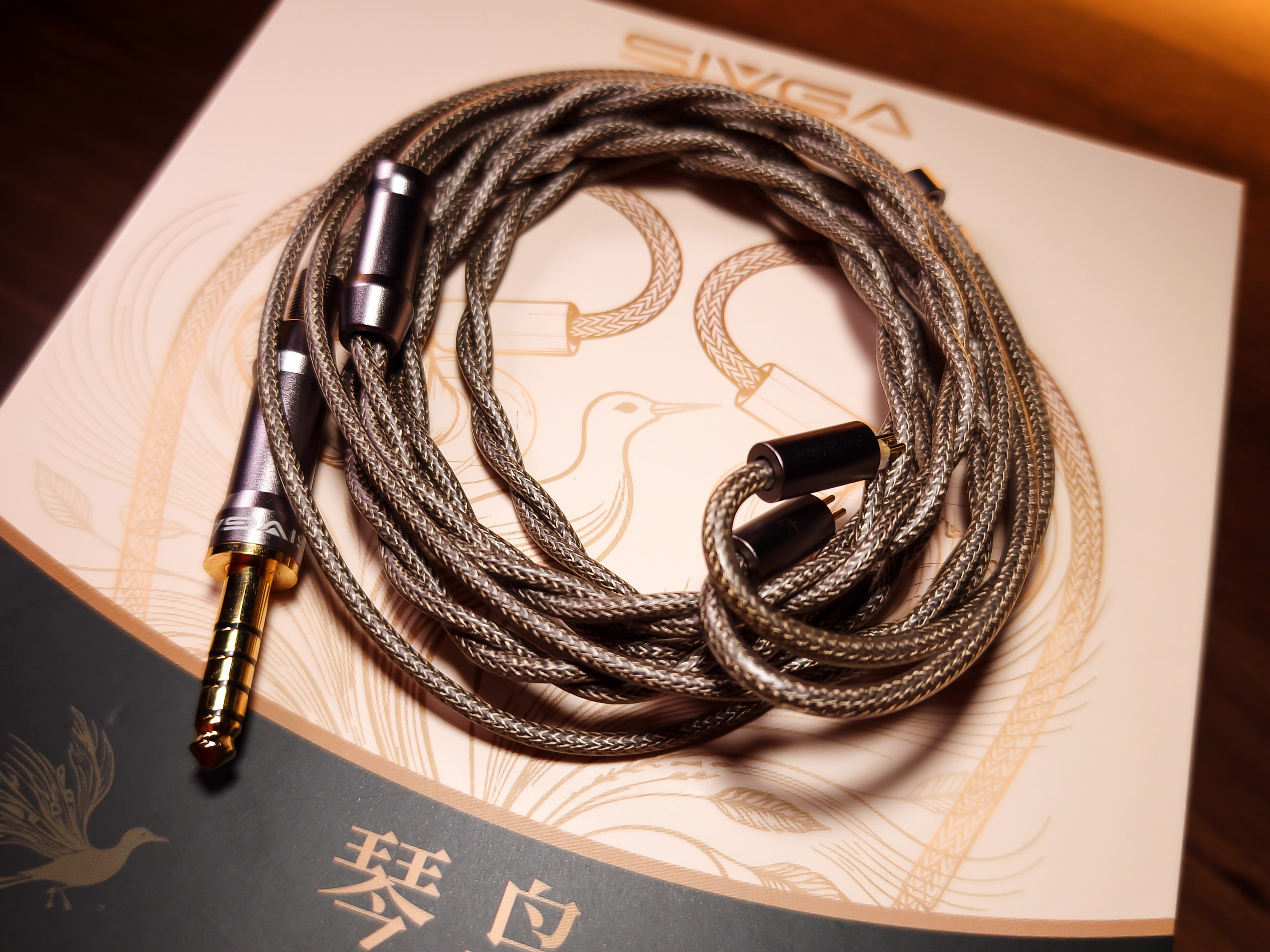
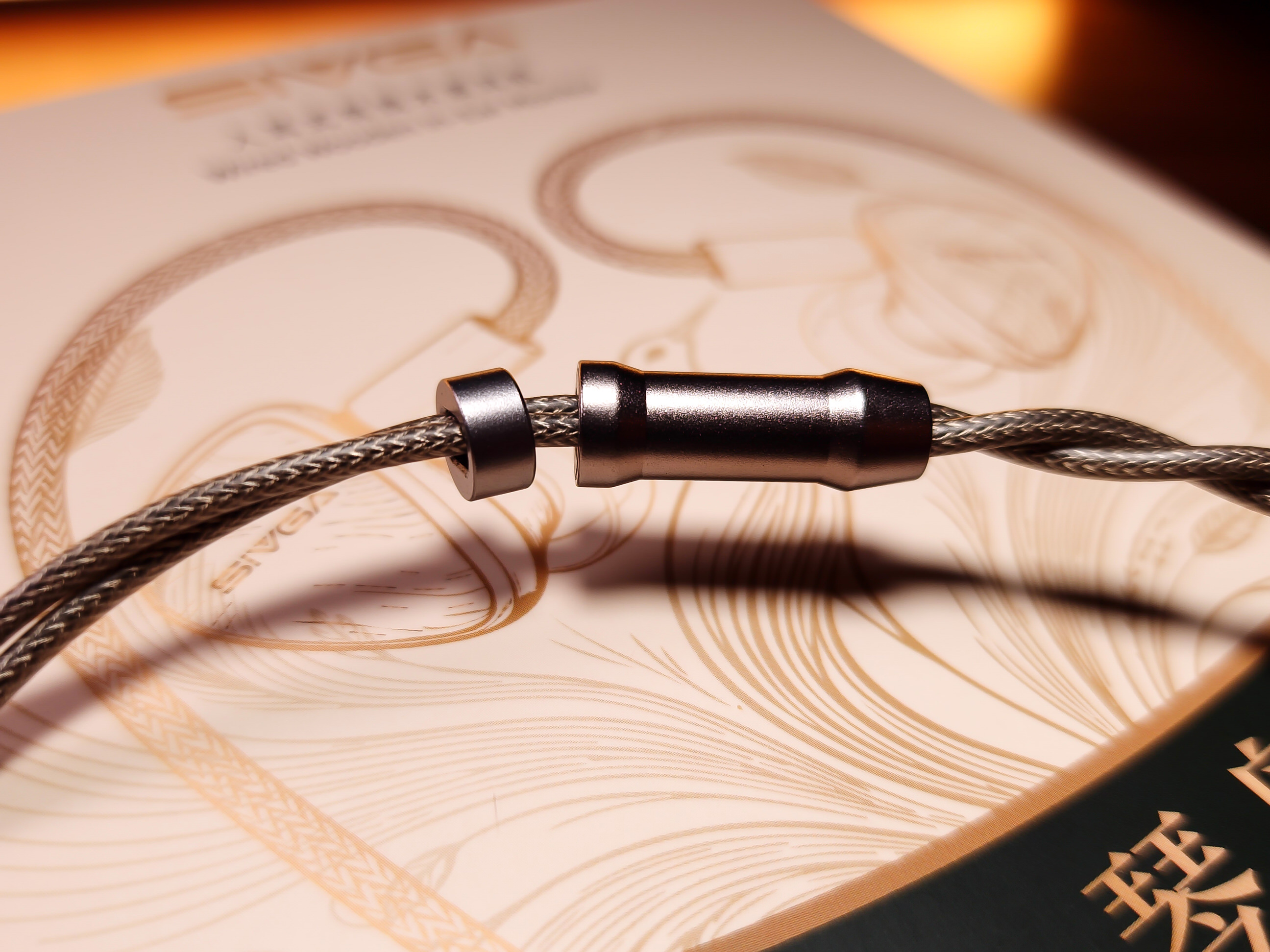
- Excellent cable! A major plus.
- I really like the aesthetics, too.
- The best cable the company has ever included.
- Great usability.
- Great malleability.
- It doesn’t tangle.
- It doesn’t develop “memory” (creases).
- The earhooks are the shape I prefer.
- No microphonics.
- The chin slider can slide down (the only downside).
- It would be great if it were a modular cable.
- The choice of a 4.4mm plug might limit some users.
Fit and comfort:
- Vertical fit. Good stability.
- Very comfortable. Excellent ergonomics.
- Suitable for all ear types.
- Good for long times of use.
- Medium insertion depth.
- Good isolation.
- 6.1g is light for a hybrid, and metal build.
Earphone kit (accessories):
- Lyrebird earphones.
- 7 pairs of tips sizes S/M/L.
- 4.4mm Balanced Cable.
- Semi-rigid case.
- Plastic case for eartips.
- Manual and QC pass.
SOUND ASPECTS:
Sound:
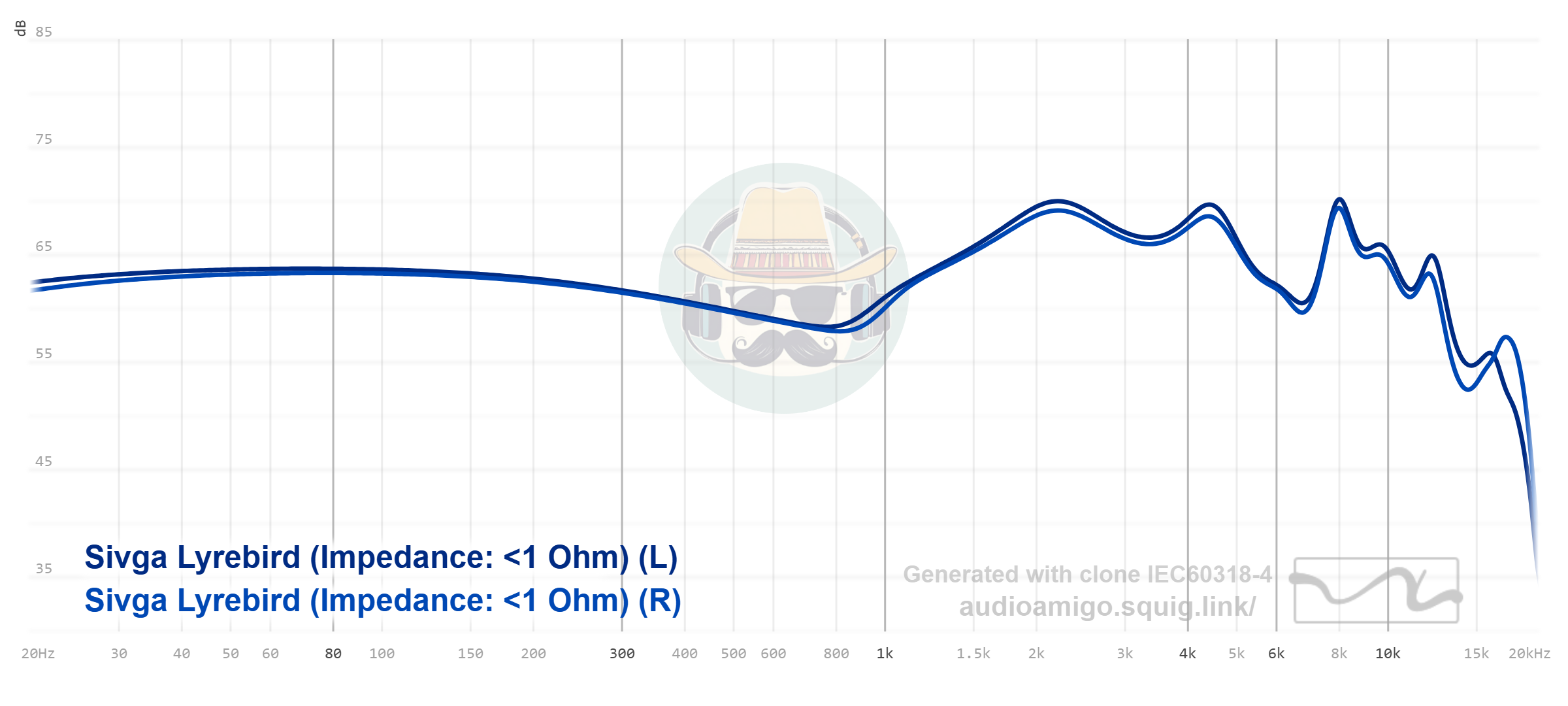
- Neutral, lively, and detailed sound.
- Neutral/forward tuning.
- Neutral bass, forward mids, and slightly emphasized treble.
- Excellent resolution and detail.
- Technically very competent.
- Not a “fun” earphone.
- Good energy in the mids, but not an energetic IEM.
- Excellent for Jazz, instrumentals, vocal-focused tracks, Classical, MPB, etc.
- Also good for Pop and soft Rock.
- I wouldn’t recommend it for EDM, Hip-Hop, Reggae, etc.
- Nor would I use it for genres featuring distortion (Metal, Hard Rock, etc.).
- An excellent IEM for those seeking lush mids.
Bass:
– Quantitative:
- Moderate or moderate to low.
- Not for bassheads.
- For some, it will be just the right amount; for others, it could have more.
- Sub-bass is slightly lower in level than mid-bass.
- Mid-bass is a bit more prominent.
– Qualitative:
- The bass is neutral, full-bodied, controlled, and free of exaggeration. It has good extension.
- The texture and physicality are more restrained.
- It is the type of bass that generally follows the recording.
- Definition is very good.
- The impact is audible and “tight.”
- It doesn’t bleed into the mids.
- It isn’t booming, bloated, or muddy.
- It pairs very well with acoustic instruments.
- Acoustic guitar sounds very natural.
- The kick drum beat is dry and well-defined.
Mids:
– Quantitative and qualitative:
- Forwarded mids.
- Pinna gain with emphasis.
- Excellent definition and detail.
- Excellent clarity, airiness, and transparency.
- Without a doubt, it is the star of the show. Lush mids.
- Instruments and vocals stand out and are highly detailed.
- I experienced no fatigue in the upper-midrange.
- The IEMs deliver much information in the mids/upper-mids.
- Saxophones and flutes feel very palpable.
- Pianos and snare drums have energy and definition.
- Distorted guitars seem to have more intensity than I prefer.
Voices:
- Vocals come through with excellent clarity and airiness.
- Vocal nuances are easily audible.
- Great projection for mid- and high-pitched vocals.
- Lower vocals are more subdued.
- Female/higher vocals performed best, in my opinion.
Treble:
– Quantitative:
- Treble ranges from moderate to high.
- Better suited for trebleheads than bassheads.
- I didn’t experience any treble fatigue (subjective).
- It leans towards a bright sound, though it isn’t strictly bright.
- The reduced bass response ends up highlighting the mids and treble.
- It might not be the best choice for those very sensitive to treble.
– Qualitative:
- Lively, versatile, and fast treble with good extension.
- Slightly emphasized brightness (crystalline).
- Excellent detail and airiness.
- Great level of definition.
- Not strident, sharp, or harsh.
- The treble flirts with sibilance (on some tracks).
- A peak at 8kHz generally creates the characteristic mentioned above.
- Acoustic guitar strings exhibit excellent micro-detail.
- The shimmer of chimes stands out in the presentation.
- Ride cymbals sound lively and defined.
Soundstage:
- Good/average soundstage.
- It doesn’t quite feel “spatial” due to the forward mids.
- Good width and height, but not deep in depth.
- IEMs with forward mids reduce the sense of depth.
Imaging:
- Excellent instrument separation.
- The stereo imaging is also very good.
- The IEMs’ excellent resolution enhances the imaging.
- It is easy to pinpoint the position of the instruments.
- Mid-range and treble instruments are easier to identify.
Driver flex test:
- The Lyrebird didn’t show Driver Flex characteristics.
Amplification:
- Easy to drive.
- Doesn’t require a powerful amplifier.
- A DAC/AMP dongle is sufficient.
- >>Note that the IEM come with a 4.4mm plug cable.<<
- You will need a source with that output or a different cable.
- I review the Lyrebird using the FiiO QX13 (4.4mm, D-Mode, Vol 25).
- I also tested it with a 3.5mm cable and the FiiO KA11.
- The KA11 drives it easily, but the best performance was with the QX13.
PROS AND CONS:
– Aesthetically very beautiful (subjective)
– Good unboxing experience
– Excellent build quality
– Lively and detailed sound
– Neutral / “forward” tuning
– Excellent level of resolution
– Excellent imaging
– Good soundstage
– Easy to drive
– Comfortable to wear
– Good for long listening sessions
– Excellent cable
– Great case
– Could have a modular cable
– 4.4mm plug might limit some users
– Could include an extra type of eartips
– Bass might be lacking for some
– Borders on sibilance with some tracks
GRAPHS BY AUDIO AMIGO:
Thank you so much for being here!
Follow us on Instagram to get all the news!
We are on Reddit too.

 )
)
