

>>I am brazilian and I speak portuguese, so forgive my english, I’ll use translator tools to help<<
INTRO:
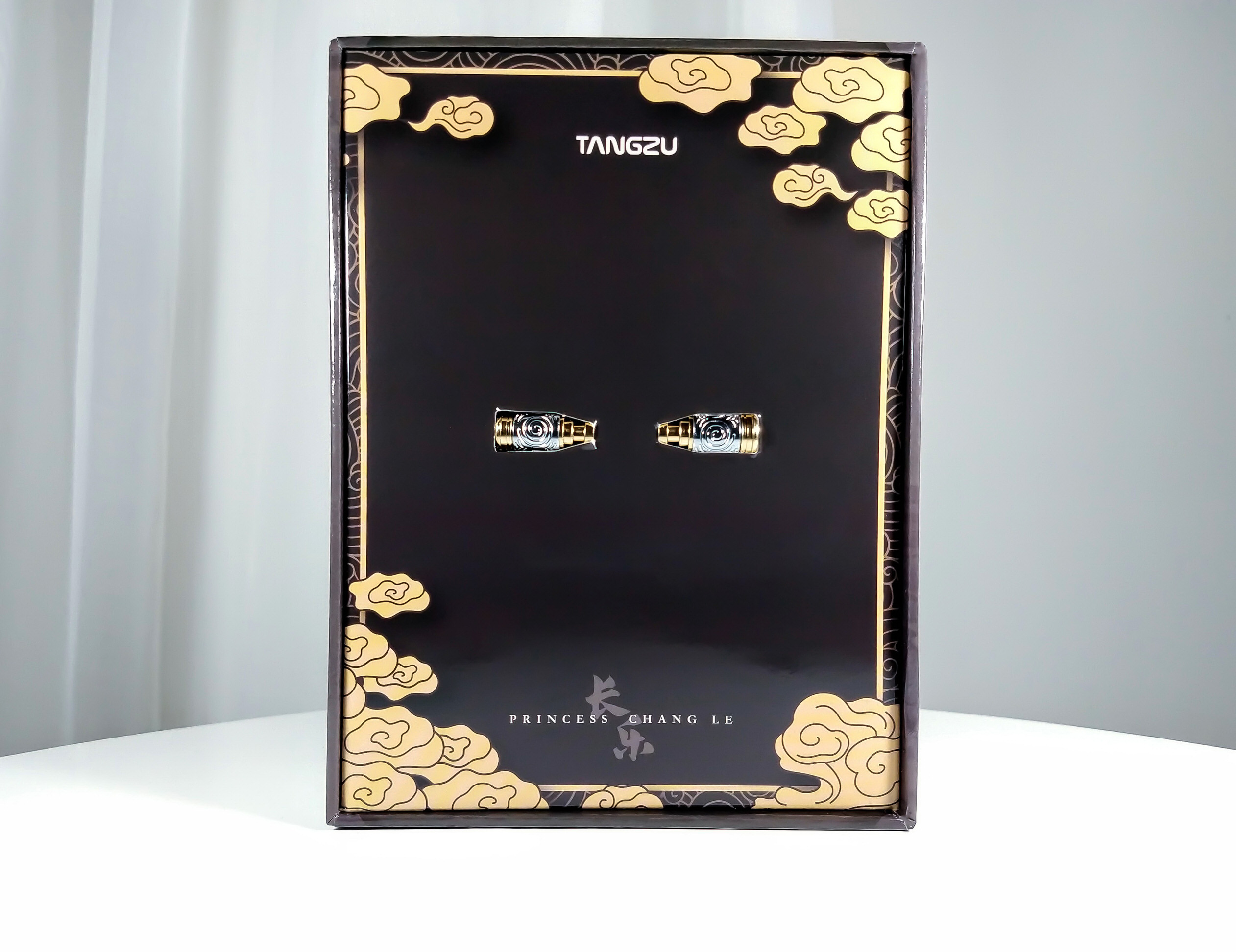
Currently, TangZu Audio is the company with the greatest zeal in representing Chinese culture in its products, with each new earphone, a new art. Princess Chang Le is a bullet-style earphone with a 6mm driver on each side.
The TangZu Princess Chang Le was sent by Linsoul, one of the main distributors of TangZu products, as well as several other brands and audio products. So, I’ll put the product links and those who are interested in know more about the TangZu Princess Chang Le, just check the links below.
PS: For those who don’t know, Linsoul is the same DD-Audio Store on AliExpress, so I’ll also put the links to make easier for those who prefer AliExpress.
Previous reviews (only portuguese): Shimin Li, Wan’er SG
Price: $15 – 19.99 USD
Colors: Gold/Silver
Cable: With Mic
LINSOUL store:
https://s.click.aliexpress.com/e/_DBWSVqb
https://s.click.aliexpress.com/e/_DmscyKR
SPECIFICATIONS:
– (1) 6mm Dynamic Driver per side
– Frequency range: 20Hz – 20kHz
– Sensitivity: 95.5dB +1dB (1kHz)
– Impedance: 16Ω
– THD: <0.5%
– Channel difference: 1dB (1kHz)
– Termination Plug: 3.5mm (straight design)
– Cable size: 1.2±5%m (not detachable)
– Cable: OFC Silver plated
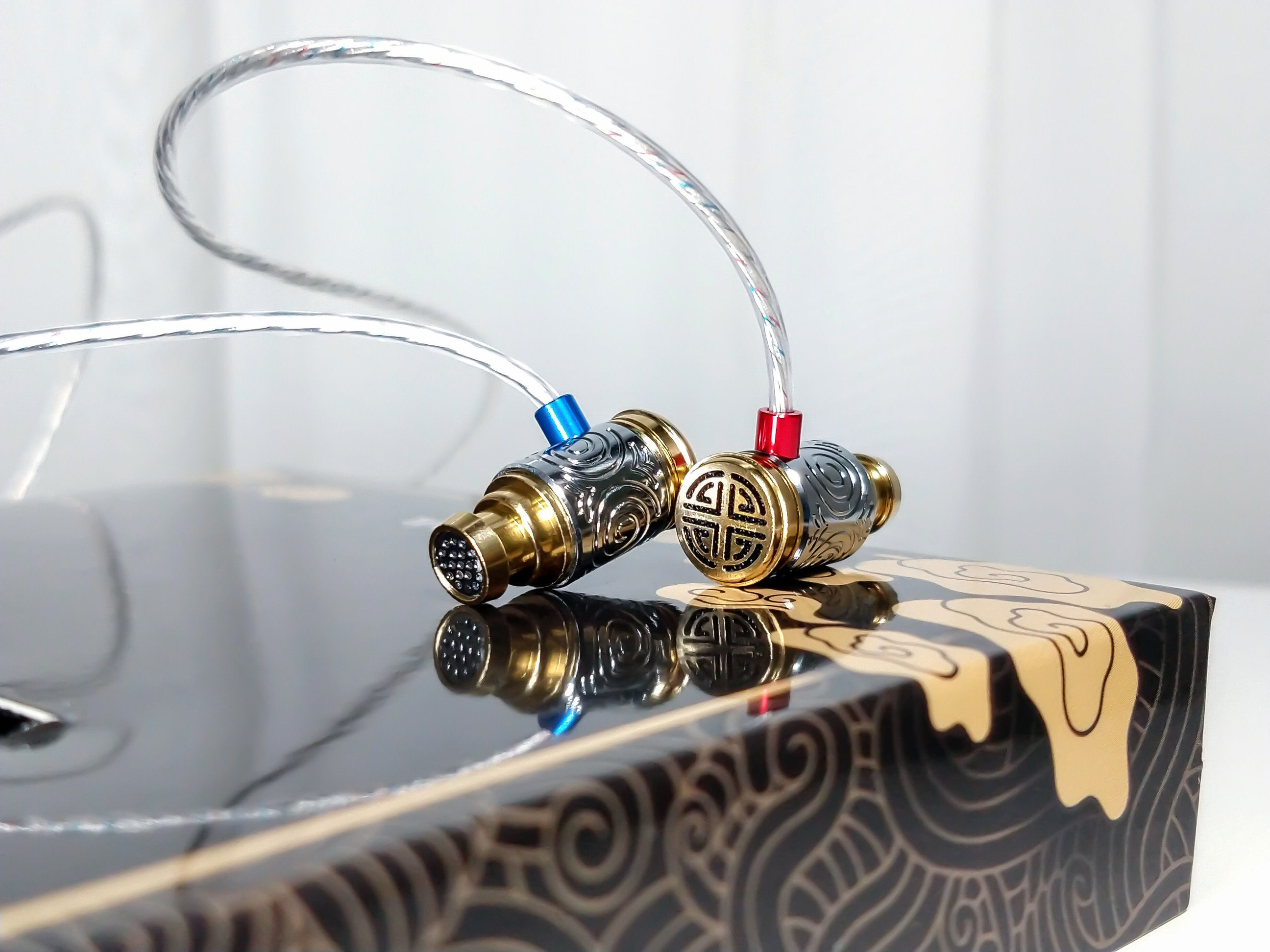
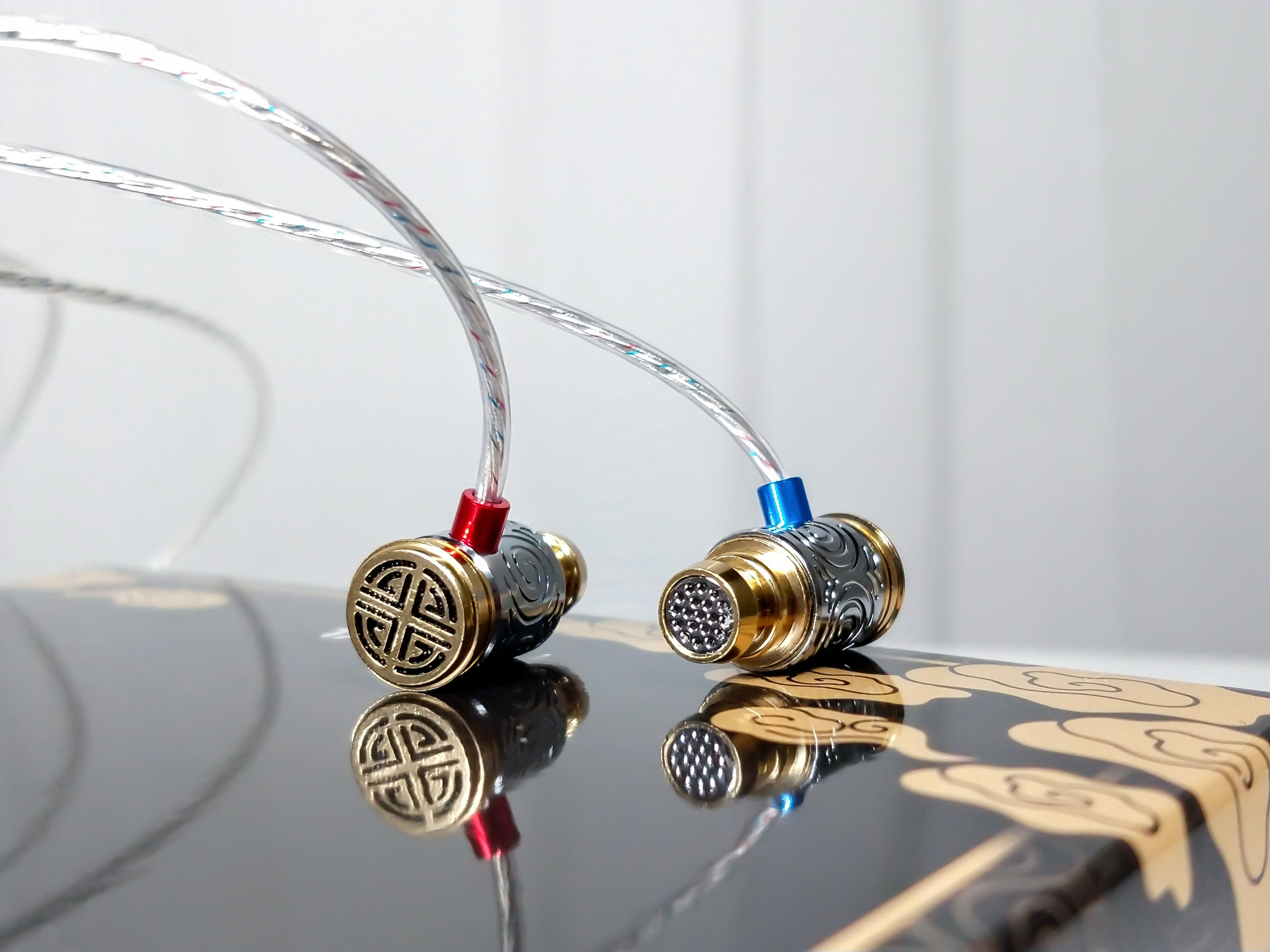
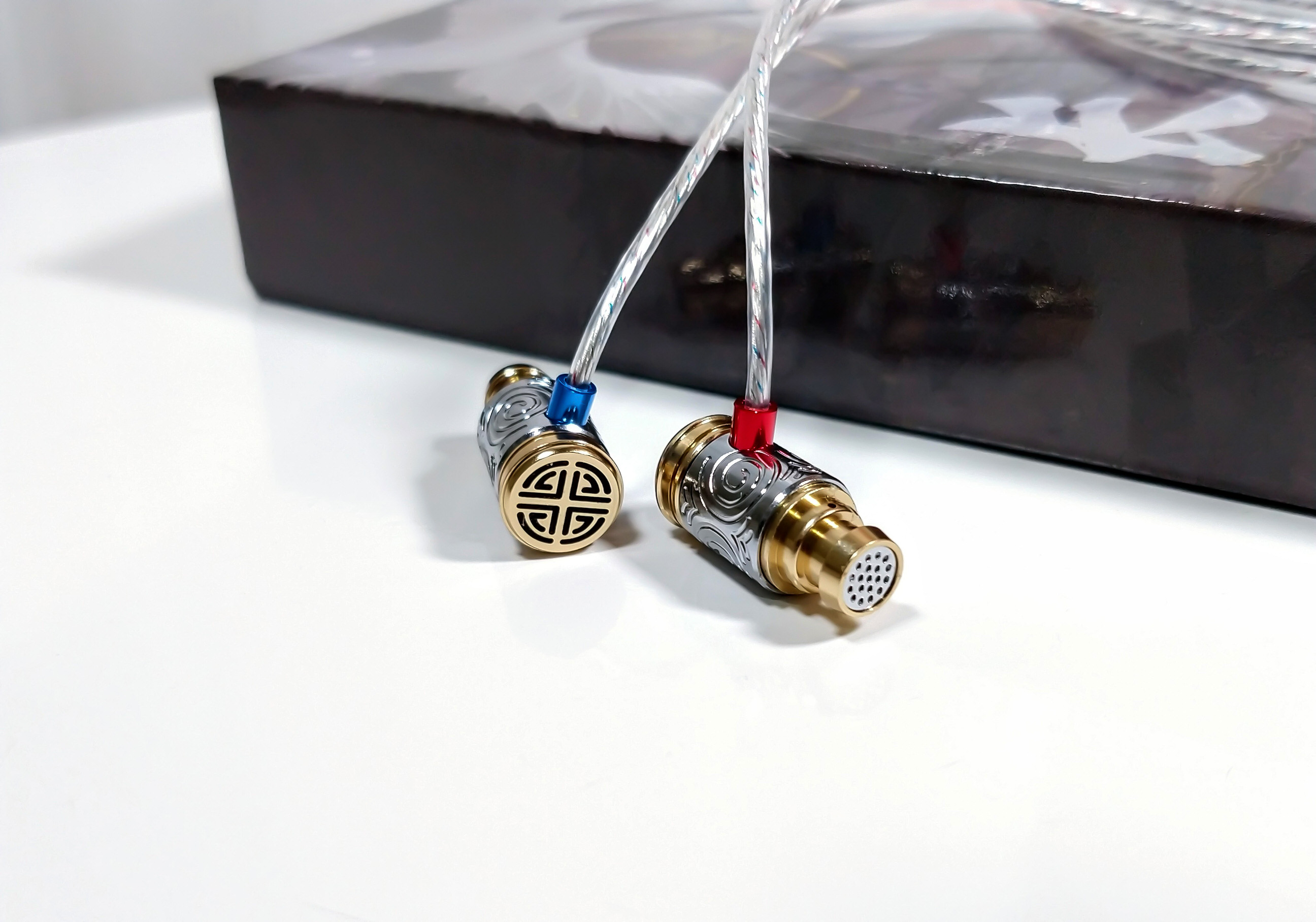
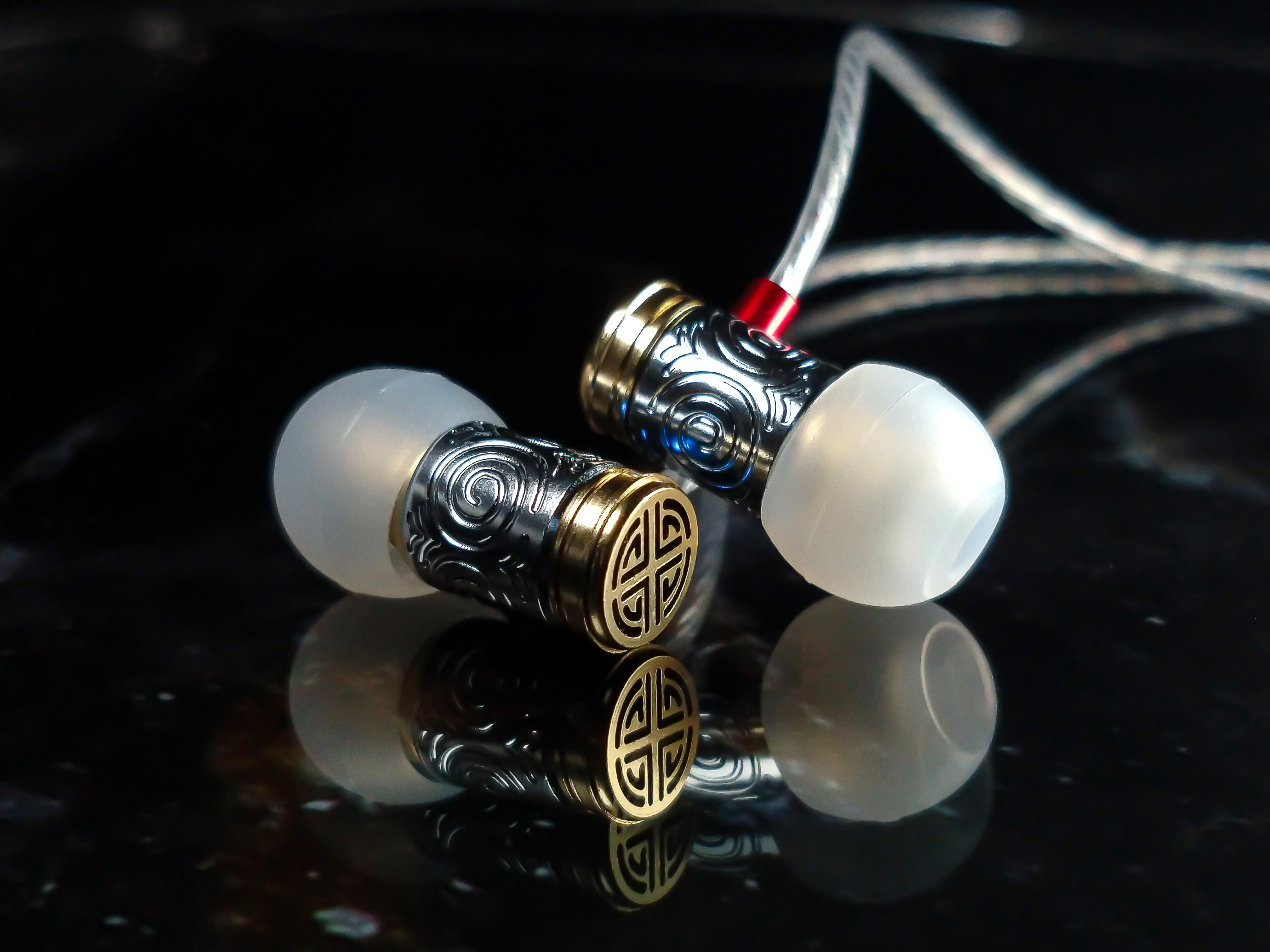
– Shell: 4-Axis Cnc Craving Aluminum Alloy
– Earphone weight: 11.4g (without eartips)
– Total weight (packaging, iem, etc): 92.7g
– Packaging size: 14.8cm [H] x 11.3cm [W] x 2.5cm [D]



PHYSICAL ASPECTS:
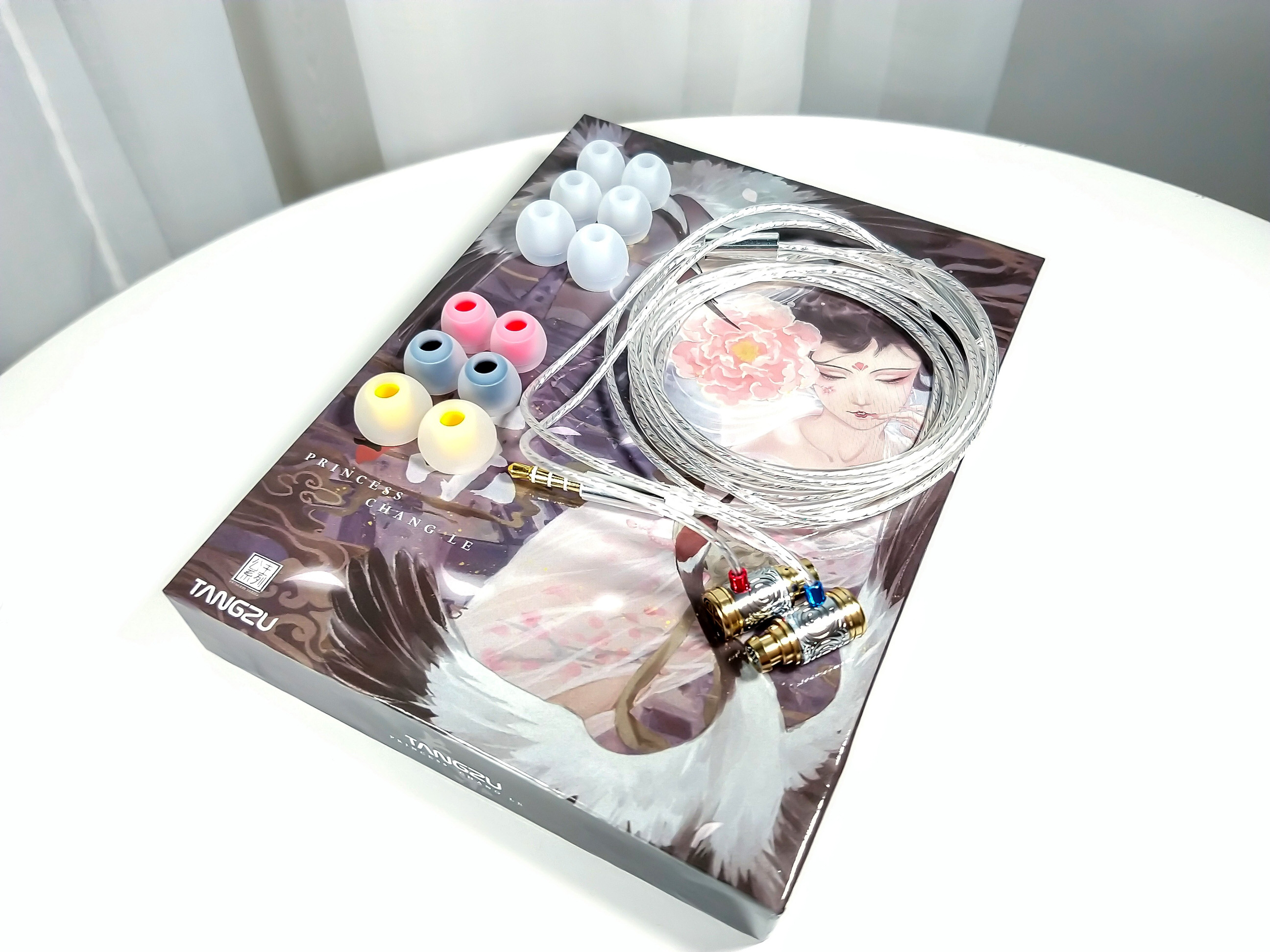
Before starting, a paragraph to say that the design of Princess Chang Le is something really very chic, TangZu got it right with this bullet IEM.
Eartips. For the price of the earphone, the kit came quite interesting, 2 different types of silicone eartips. To my happiness, they put that type of all-white eartip that I always talk about here that I get along very well with them. So as soon as I picked up the earphone, I put them on and didn’t even test the other type. The eartips came in sizes S/M/L, in both types. I didn’t feel the need to switch to third-party eartips (SpinFit, Azla, etc.), I found the ideal sound already with the stock tips.
– The evaluation was made with white silicone eartips in size M.
Cable. As described in the specifications and also visible in the photos, the earphone cable cannot be removed. The earphone is bullet-style, so it has no earhooks or connectors. The cable has a module on the right side where the microphone and a control button are located. The identification of the correct side to put in the ear is by colors: blue = left side, red = right side. It doesn’t come with a chin slider, also because the microphone module invalidates the use of this piece. It’s a very light and thin cable, doesn’t tangle easily, doesn’t take ‘memories’ (wavys), and is easy to roll up to store. I only found that it presents a little microphonics, but nothing abnormal. Unfortunately I couldn’t test the quality of the microphone.
Fit and comfort. This paragraph is very subjective, but here are my experiences with the product. For me here the fit was very good, the earphone doesn’t escape of my ear canal and doesn’t keep floppy, the stability is good. It is very small, so no part protrudes out of the ear, on the contrary, it may even be a recommendation for those looking for an IEM to use while sleeping (I personally don’t sleep using earphones, even the smallest one bothers me). The insertion of I found medium. The earphone didn’t create internal pressure. The isolation I found medium/ok. Chang Le’s comfort is also a positive point, bullet-style earphones are in most cases the best option in terms of comfort. The IEM is very tiny, one of the smallest I’ve ever tested till today, perhaps even the smallest. It is very light, one of those that disappear in your ear, it doesn’t even seem like you’re wearing an earphone. There’s not much to point out, great IEMfor long listening without feeling discomfort.
The TangZu Princess Chang Le didn’t come with any additional accessories, only comes with eartips and the earphone itself. A pity as it could come with some nice case… but I understand that the price of the product would increase and possibly the company didn’t have this as an objective.
SOUND ASPECTS:
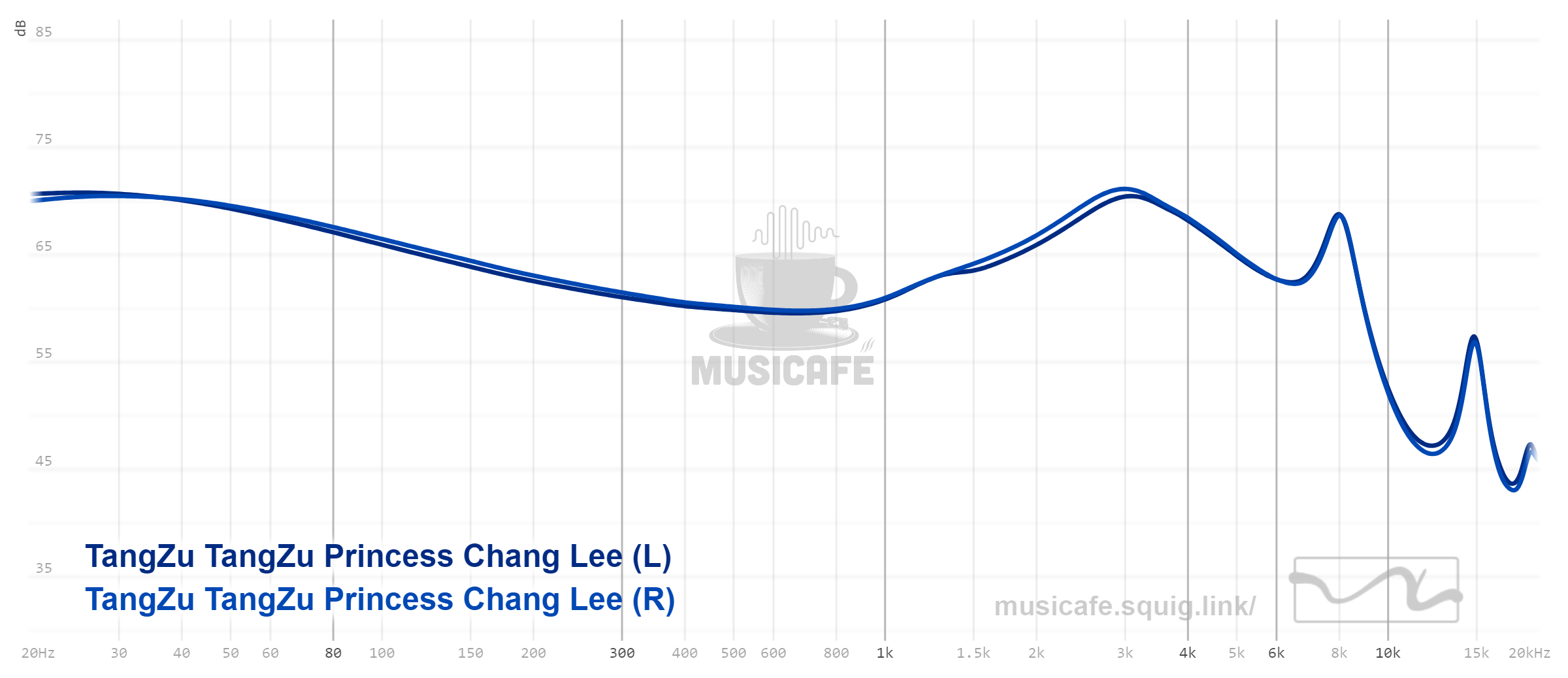
The sound of the TangZu Princess Chang Le I understood as Mild V-Shape. It would be a “V” shaped IEM but it doesn’t have such forward treble. In summary, the sound is of raised bass, more recessed central mids, slightly highlighted upper mids, and more relaxed treble. To this day I have only reviewed 3 bullet-style IEMs, and of those 3, the best I found was this TangZu Princess Chang Le, then the Tanchjim Tanya, and finally the KBEAR Little Q. The Princess Chang Le has a sonority that I would say is to please as many people as possible, similar to what the Harman target does. In practice, its tonality is really quite pleasant (subjective), now, in technicalities it has its limitations.
Bass. In quantity, Chang Le’s bass is present, they stand out in the presentation. Obviously I wouldn’t recommend this earphone for those who like a lot of bass, the so-called bassheads. But I like bass and I found that Chang Le’s bass doesn’t make the presentation tedious. So if you like a lot of bass, this earphone can leave you wanting a little more, now if you like moderate (or moderate to high) level bass, then Chang Le can please you. The bass has good extension, sub-bass is present, mid-bass is also present, but sub-bass is more present between these two regions.
In qualities, the bass is controlled, has good definition, the impact is dry and tight. They are not very strong and vigorous basses, physicality is very little, although not totally lacking of physicality, however this characteristic is more measured. They are not boomy basses, they are not muddy, they are not muffled, they don’t invade the mids. For a $15-20 usd earphone, I see Chang Le’s bass as positive, especially considering the size of the IEM and etc. Chang Le’s bass adapts well to various musical genres, but if the person is looking for an earphone with more dynamic basses, I would recommend TangZu Wan’er SG.
Mids. The initial mids are more recessed but we have a little highlight in the upper mids. The upper mids although they have some projection are not the most transparent and clear that I have heard. As incredible as it may seem this was the region that I liked the most in the IEM, however a Truthear Hola manages to have a better level of technical performance in this region (in my opinion). The good thing about Chang Le’s mids is that they are neither hidden nor so forward (or aggressive) which makes the presentation stay in a state of “musicality” as we call it.
Vocals from Princess Chang Le I found that female/high voices performed better than male/low voices. The earphone in the bass region doesn’t extract much texture so it ends up that warmer voices don’t reach their full potential. This doesn’t mean that low voices didn’t play well on this IEM, it means that this is a subjective issue of me thinking that the IEM was a little better with colder/whispering voices.
Treble. In quantity, the treble are moderate to low. Here it really is the region of less presence in this earphone. For those who don’t appreciate this higher region in earphones Chang Le can be a good choice. I felt that the treble have a feeling of roll-off, so I think the extension isn’t good. Everything I put here to listen to treble sounds appeared however with a feeling of less airy.
In quality, the IEM’s treble are discreet, smooth, don’t present peaks or coloring, also don’t present sibilance at any time. It delivers a polished sparkle, lacking that extra touch of details. Will you hear the treble? Yes, of course, but in a way without much energy, something more relaxed. Chang Le’s treble are not harsh, not strident, not sharp, not piercing. No treble frequency instrument presents itself in a strange way, they always play in a calm manner. This is interesting for those looking to listen to music for a long time without feeling hearing fatigue.
Soundstage. The feeling of soundstage I found good/average. Certainly there are IEMs that present more spaciousness in the sound, however, Chang Le isn’t something bad, it has an ok measure in depth, height and width, which makes it not a 100% compacted nor 100% spatial earphone. It’s evident that here I am already speaking with the modifications in the amplification of my source, so it’s necessary to take into account the last paragraph of the text.
Imaging. I found the instrumental separation average/ok. The earphone’s stereo image is good, and I also don’t think it’s an IEM without definition, it’s possible to hear all the instruments, we just won’t have a more precise cutout of each one’s positioning. I always think that hybrid IEMs have an advantage in this regard, although this is not a rule (remembering that separation can also vary according to recording and other processes during music production).
Driver Flex Test. The Princess Chang Le has a 6mm dynamic driver on each side, so it’s necessary to check if it makes driver flex noises. In my tests here, the IEM didn’t present driver flex sound at any time. So it’s driver flex free.
Amplification. I used the FiiO KA5 DAC/AMP dongle connected to my notebook to do this review. The output used was the 3.5mm and the device with selector in “High Gain” mode, that is, with gain activated. The volume used was level 40% of the 100% available by the Windows volume scale and 120 steps directly on the dongle (max vol.). It’s hard to admit that such a entry level earphone needs a stronger source to play well, but in this case it’s true. I listened to Chang Le on my notebook and on my smartphone directly and I found that the sound was very shy, I only felt a wider sound when I used the KA5. So, it’s possible that someone will like the sound of the earphone coming out of a simpler source but I recommend using at least one dongle to extract more performance from the IEM (in my opinion).

Music is subjective, so below is the list of some musical genres that I personally think that was better with this IEM. Remember that were only few genres and few artists tested. If I describe that one genre was better and the other don’t, it doesn’t mean that you can’t listen to your favorite music genre with this IEM and love it. So, here goes:
Better:
Hip Hop
Reggae
EDM
POP
Rock
Blues
Metal
Samba*
*Brazilian musical genres.
Not so much:
Classical
MPB*
Bossa Nova*
Jazz

PLAYLIST LINK:
Graphs by MUSICAFÉ:
Thank you so much for being here!
Consider follow us on Facebook and Instagram to get all the news!

 )
)

 IEMs and Music