>>I am brazilian and I speak portuguese, so forgive my english, I’ll use translation tools to help<<
INTRO:
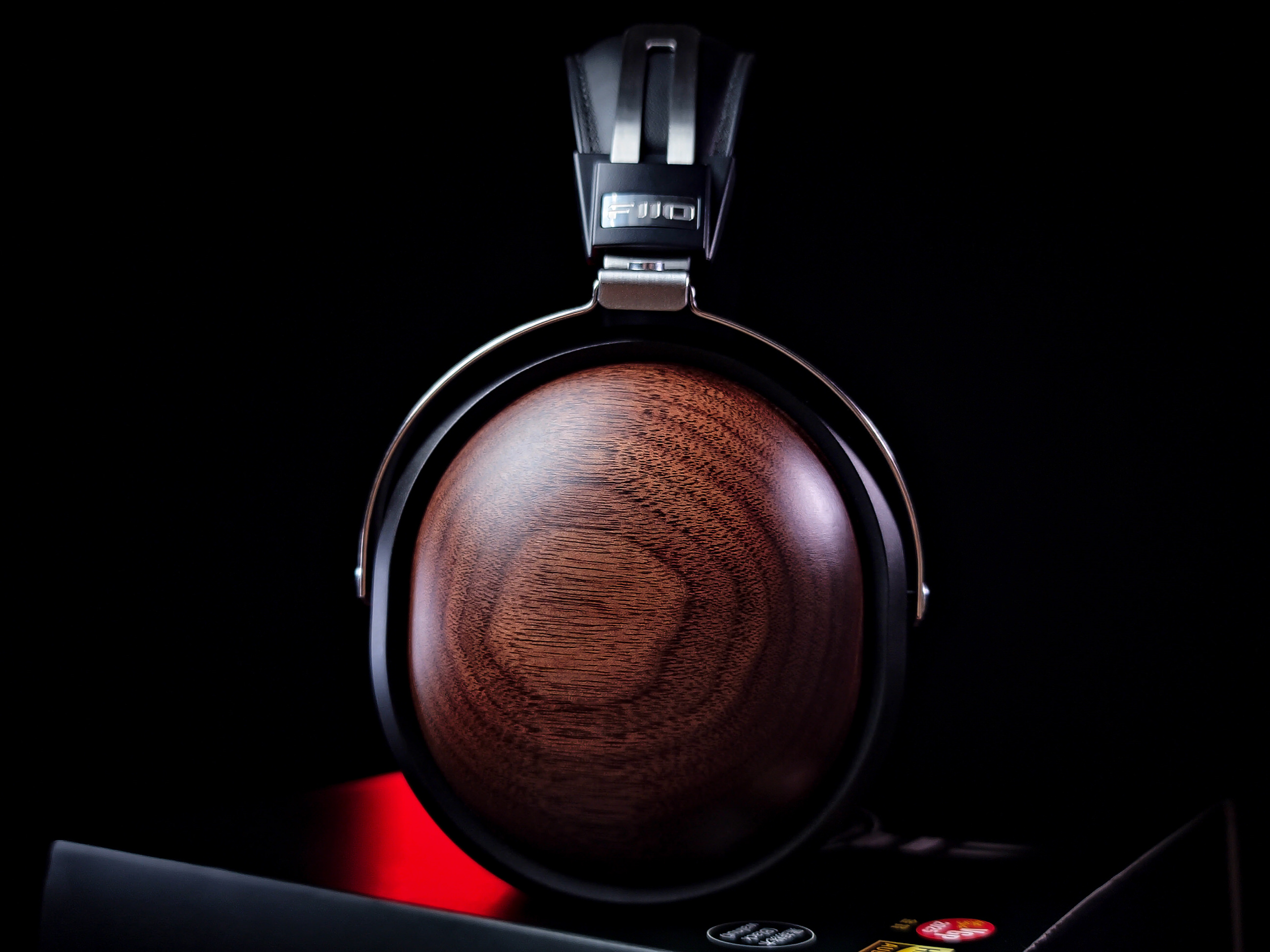
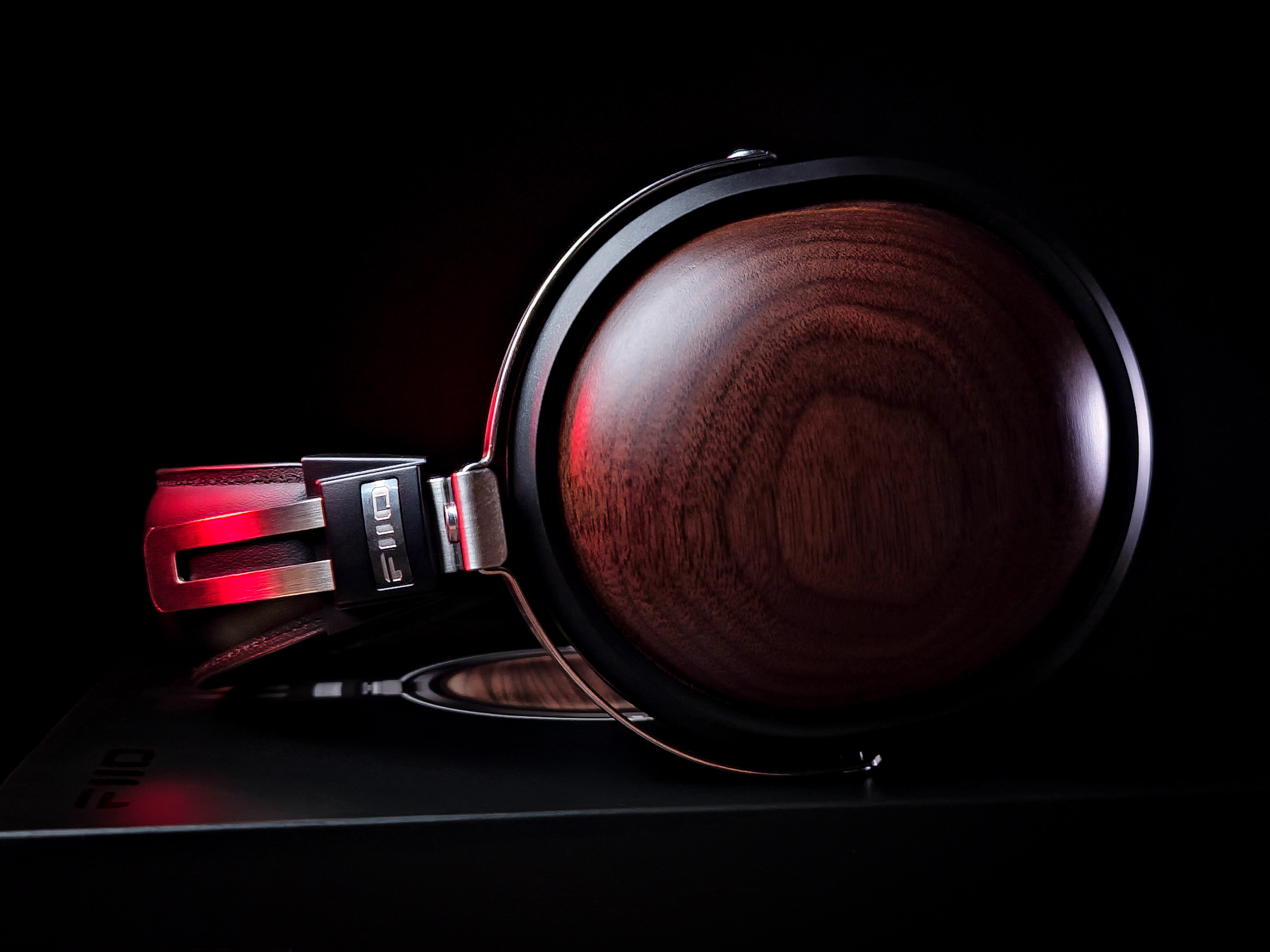
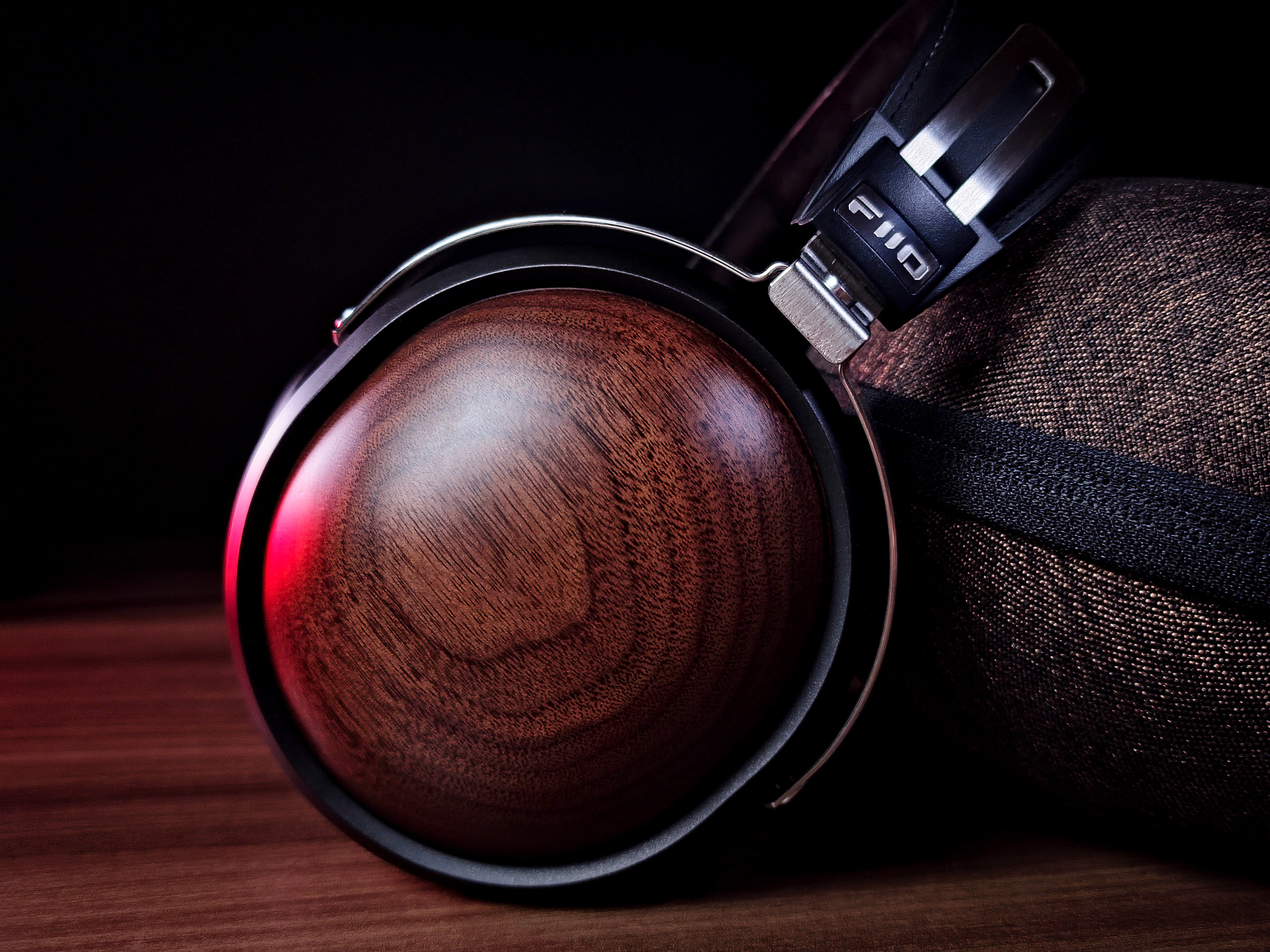
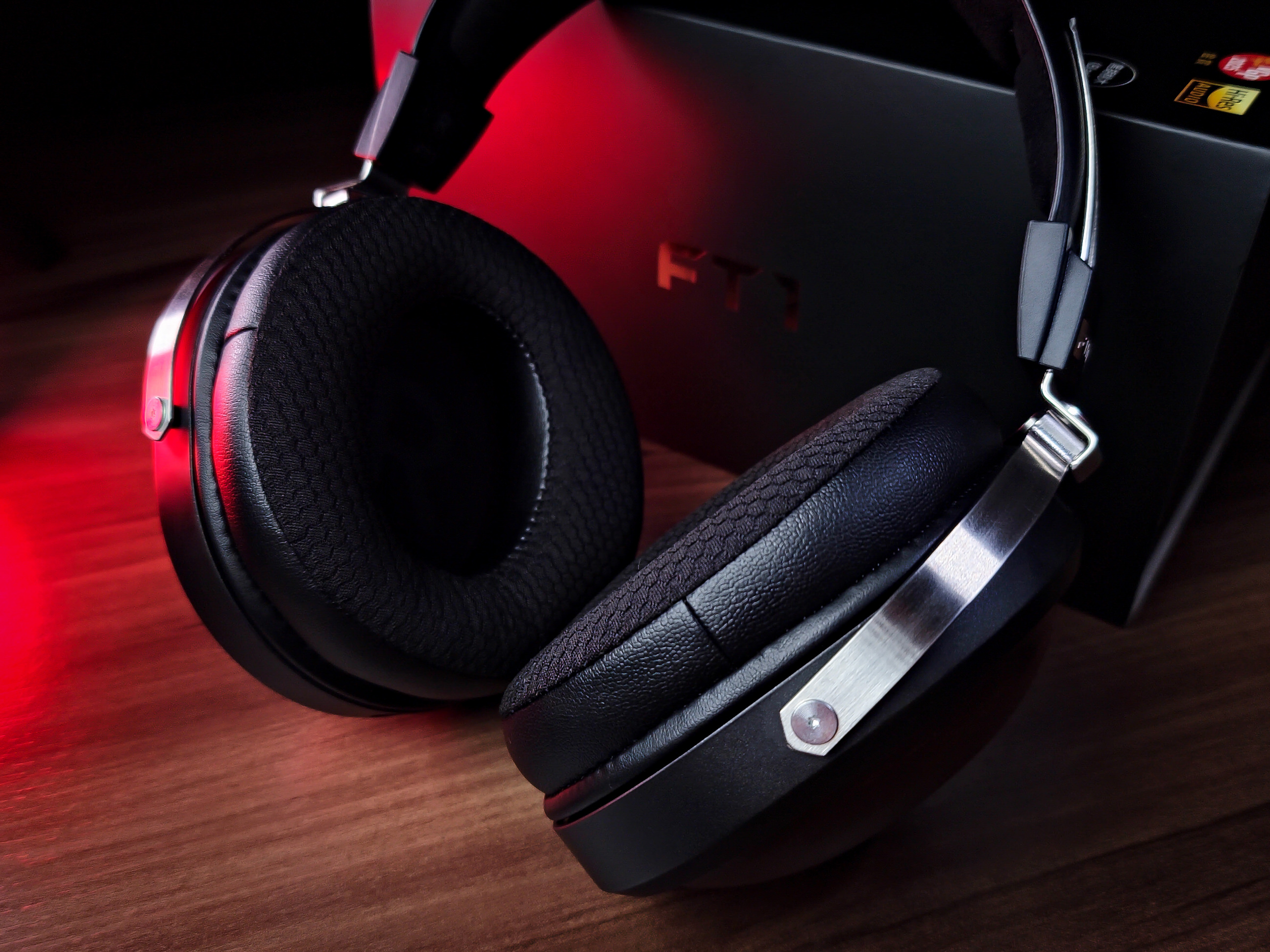
FiiO took a long time to start to making its headphones… When I begin in this audio hobby, brands like Sennheiser, AKG, Hifiman, Grado, etc, already had their places at the sun… But now, we’re seeing that FiiO is making up for lost time. Several models are being released, including the headphone we’re reviewing today, the FiiO FT1. This headphone have been gaining a lot of attention in the international audio community. Let’s check out the hype.
Price: $149 USD
Color: Black wood or Beech wood
Cable: Without Mic
FiiO Reviews: FH3, KA1, HS18 < (in portuguese); JD7, KA5, FD11, Q11, M11S, KA11, JT1, BTR13, BTR11, JM21 < (in english)
FIIO LINKS:
https://s.click.aliexpress.com/e/_oDqpKNy
SPECIFICATIONS:
Dynamic Driver:
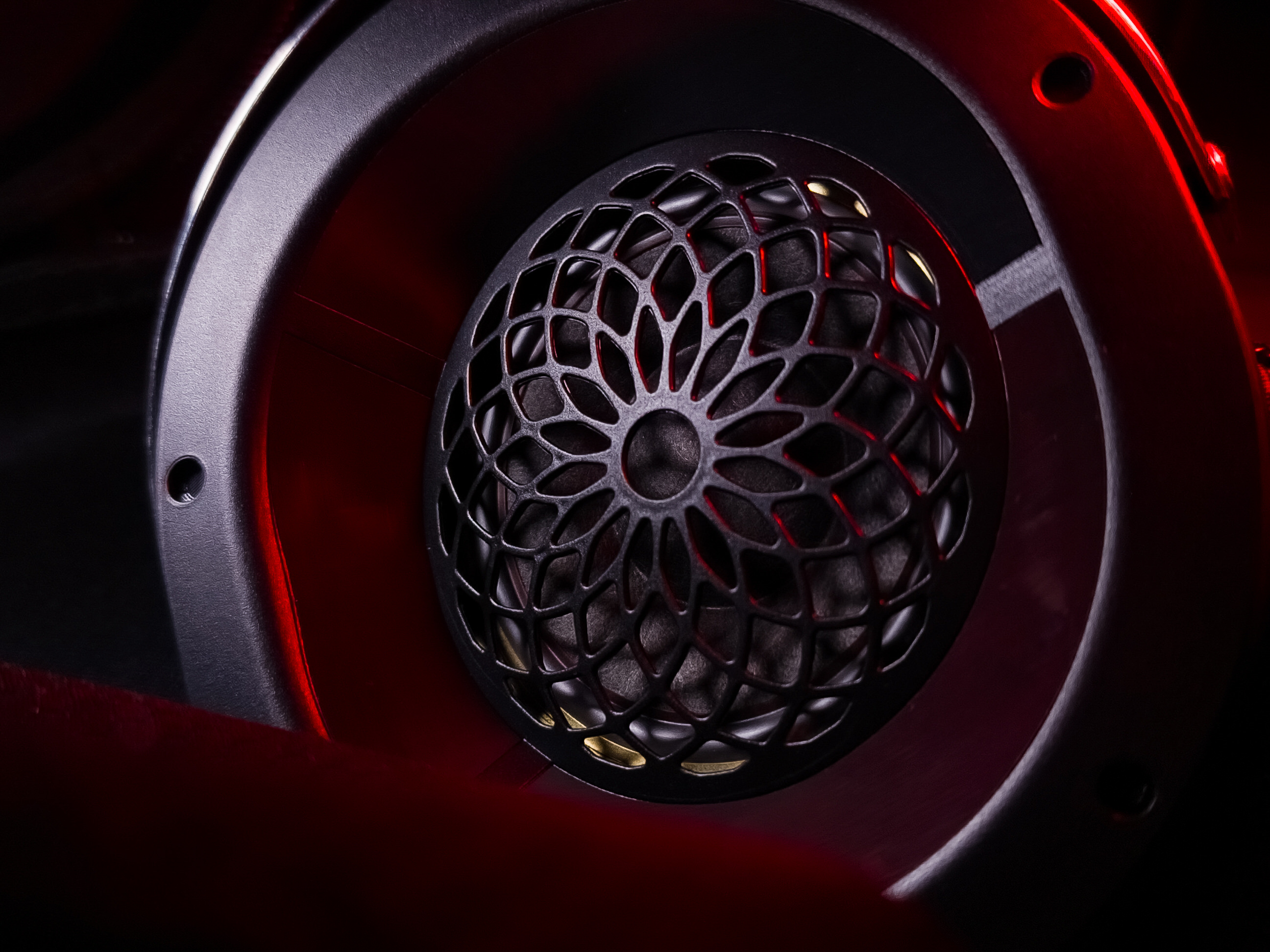
- (1) 60mm Dynamic Driver (DD) nanowood fiber diaphragm
– Frequency: 10Hz – 40kHz
– Effective frequency: 20Hz – 20kHz
– Impedance: 32Ω
– Sensitivity: 113dB/Vrms@1kHz; 98dB/mW@1kHz
– Connectors: Dual 3.5mm TRS
– Termination plug: Straight design
– Cable size: 1.5m
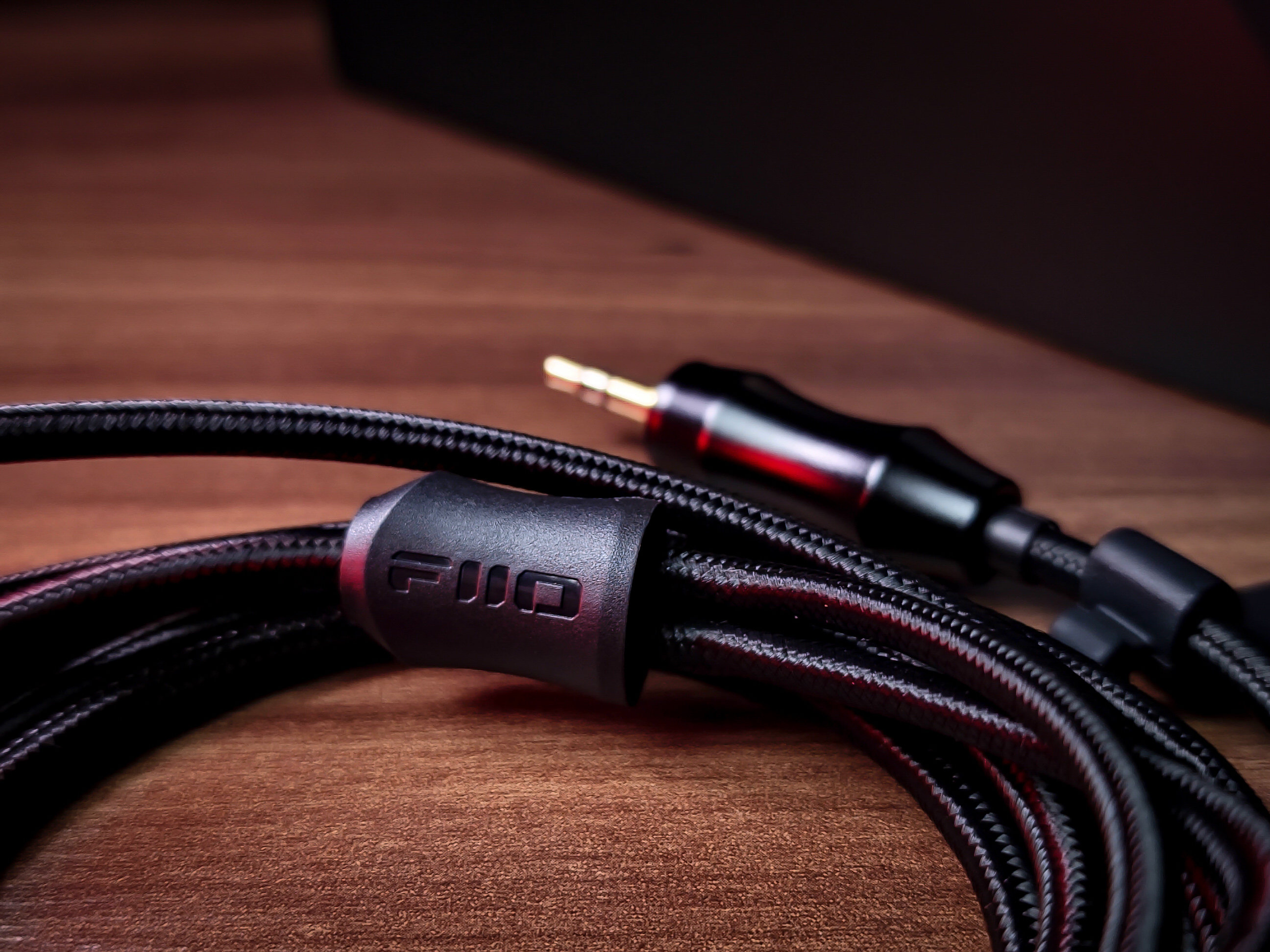
– Cable: Paracord OFC
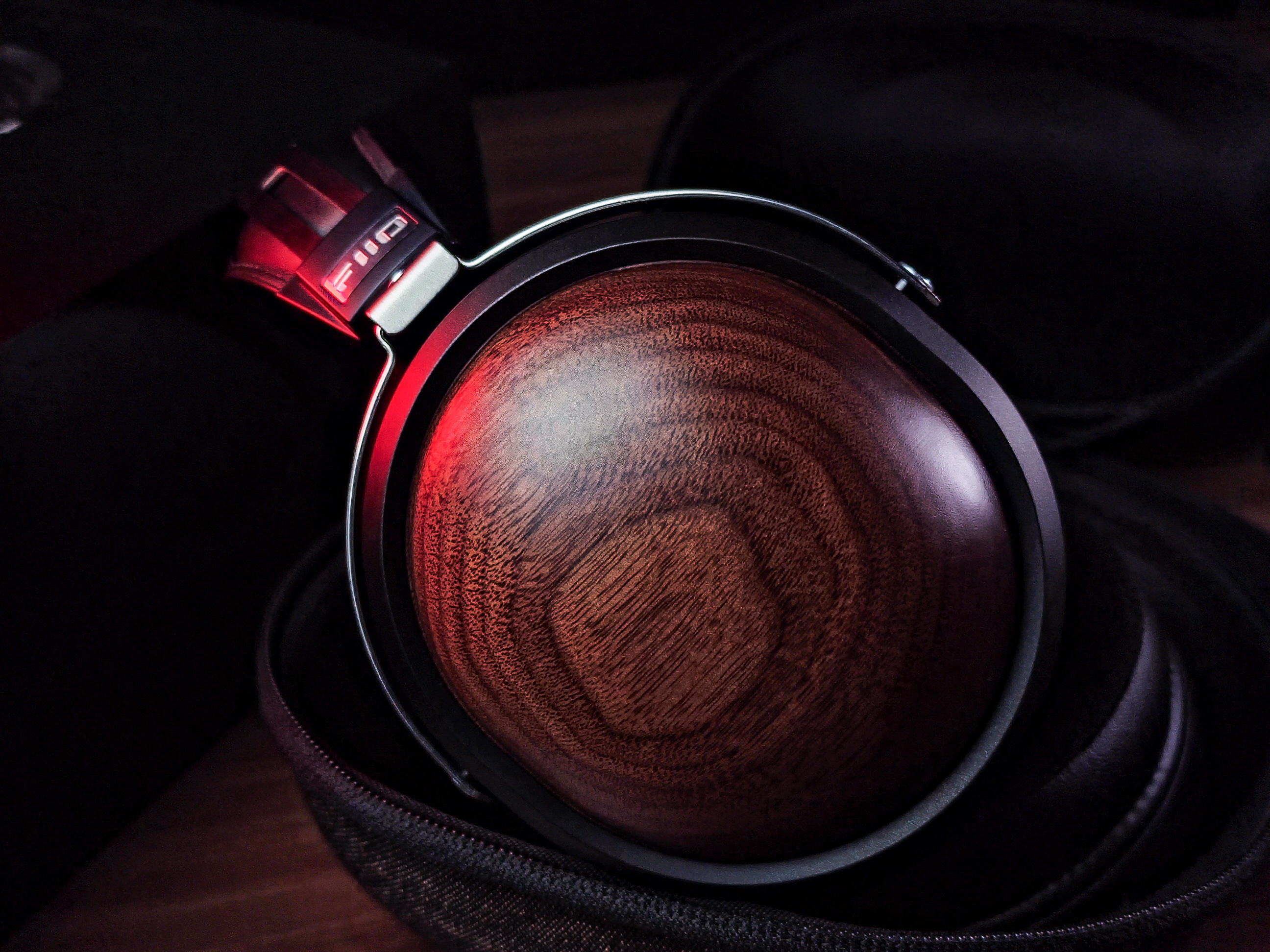
– Shell material: Wood
– Earpad pressure: 4.5N±0.3N
– Headphone weight: 335.6g (without cable)
– Cable 3.5mm weight: 48.6g
– Cable 4.4mm weight: 51.6g
– Case weight: 203.2
– Total weight (packaging, headphone, etc): 1001.9g
– Packaging size: 22.5cm [H] x 23cm [W] x 12.5cm [D]
UNBOXING:
PHYSICAL ASPECTS:
Construction:
- Great construction (for the price).
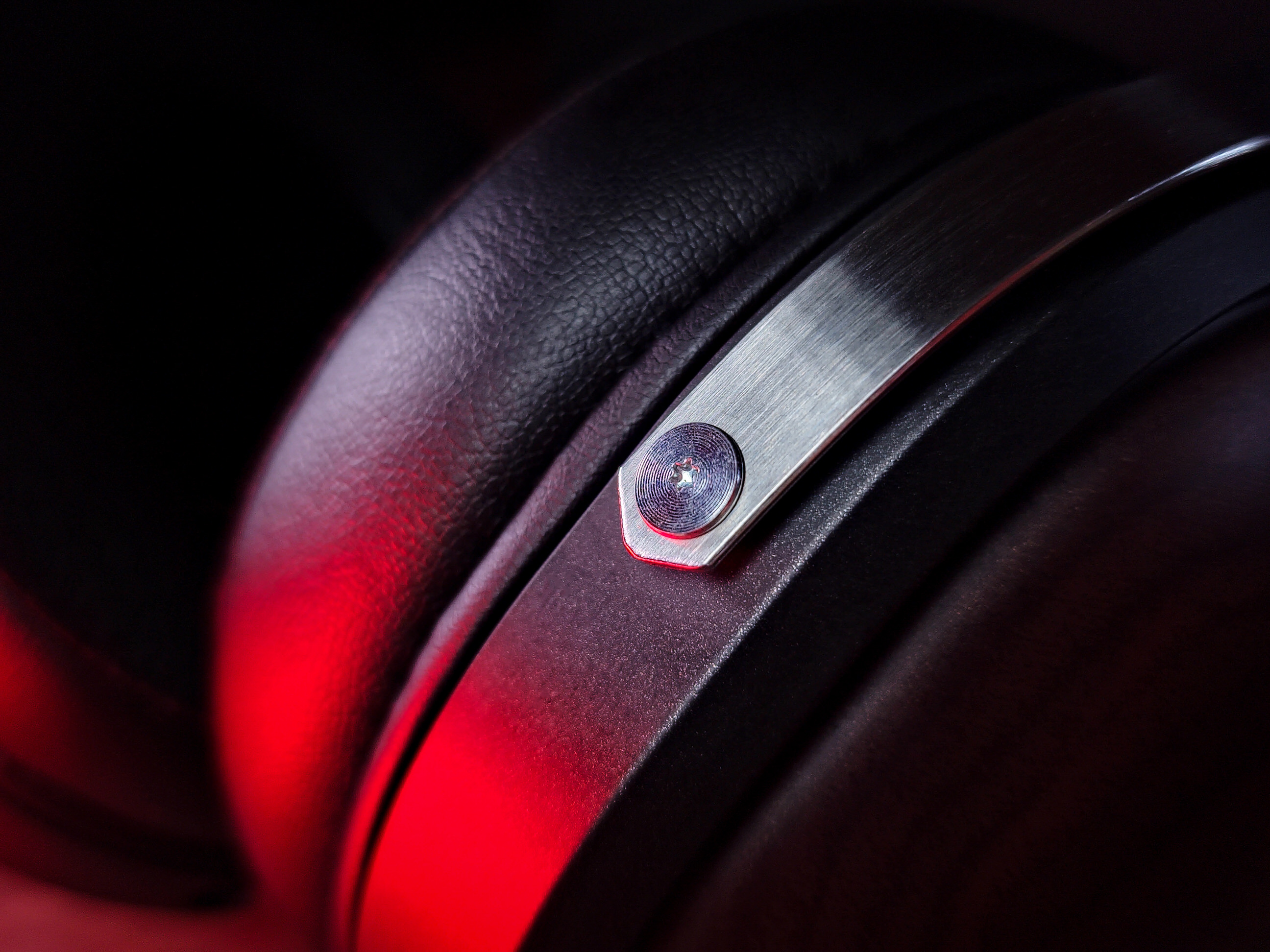
- Real wood shells.
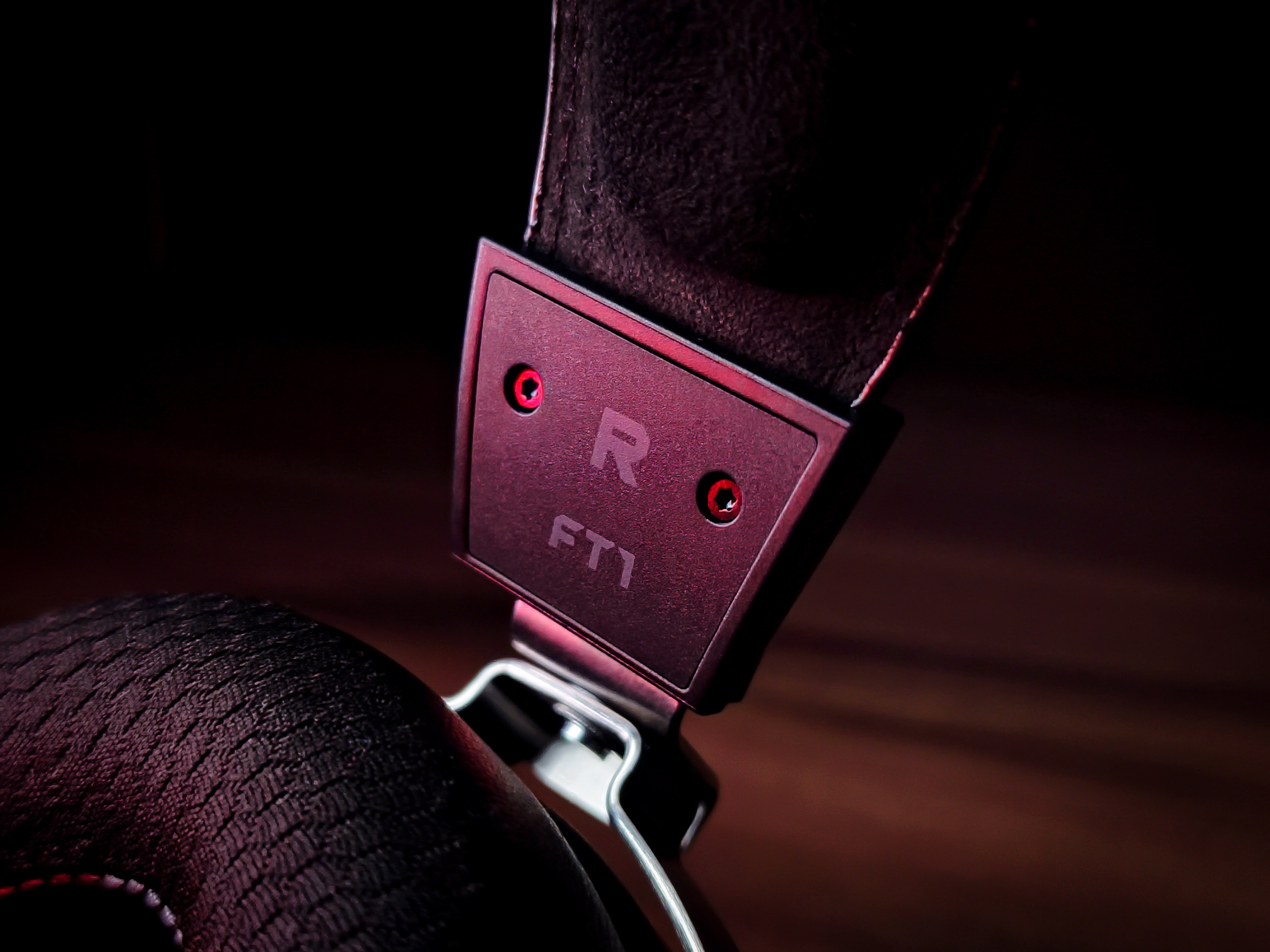
- Padded headbands.
- Metal structure.
- Plastic acoustic chamber.
- Closed-back design.
- Vent grids on top of the shells.
- Headband adjustment: Works very well, but has no level indicators.
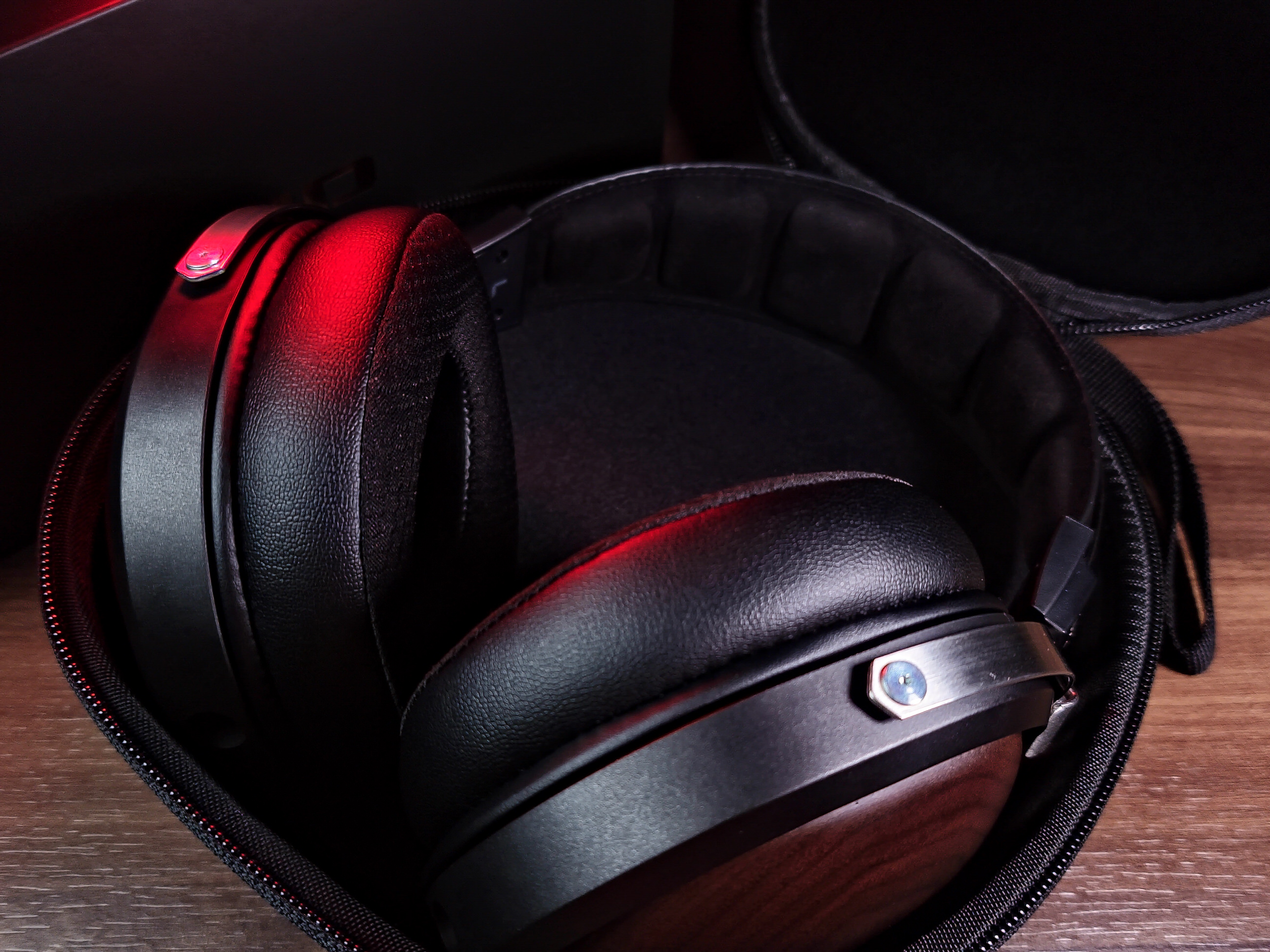
- Carrying case: Rigid. Great.
Pads:
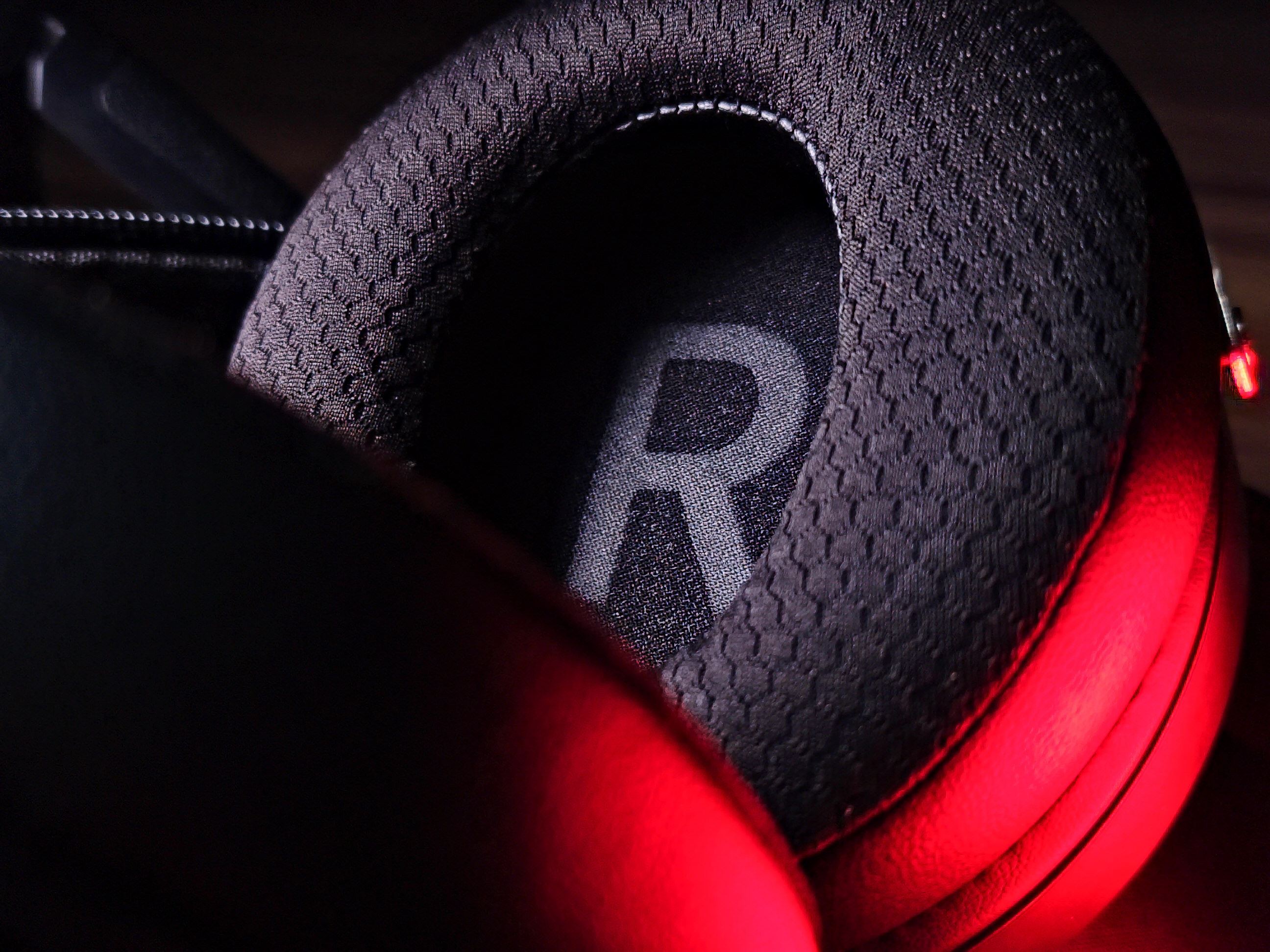
- Dual construction: leatherette and mesh.
- They are removable (it could be removed by magnetism).
- Very soft, comfortable earpads.
- They are marked with L & R (easier to know the sides).
- Headphones heats the ear over time (unlike using IEMs).
- The internal space fit my ears normally (the JT1 was tight, the HE400se was loose).
- The headband needed a little more foam (for my head) (subjective).
Cable:
- Two Paracord cables: 3.5mm and 4.4mm balanced.
- Very robust cable.
- Low malleability.
- Tends to be heavier and thicker (in comparison to others).
- Doesn’t tangle.
- Doesn’t pick up ‘memory’ (wavys).
- Presents a lot of microphonics.
- The plugs are made of metal.
- Possible need for a cable upgrade (subjective).
- Upgrade suggestion: OpenHeart – https://s.click.aliexpress.com/e/_o2b1Sek.
- I used the suggested cable with the HE400se and the JT1, it was much better.
Fit and comfort:
- Clamping: Gentle, no pressure felt (small head).
- Very comfortable.
- Good stability (much better than the HE400se).
- Design towards to minimalism (the HE400se is a bit cumbersome).
- Good for long times of use (IEMs are better in this regard) (subjective).
- Very good isolation (better than the HE400se).
Headphone kit (accessories):
- FT1 headphone.
- 2 cables: 3.5mm and 4.4mm Bal.
- Adapter 3.5mm to 6.35mm.
- Rigid storage case.
- Manual.




SOUND ASPECTS:
Sound:
- Mild V-Shape with a slight emphasis on bass.
- Slightly higher bass, linear mids and treble.
- Sound leaning towards to the warm side.
- Relaxed and laid-back signature.
- Comfortable sound, good for long listening sessions.
- “Commercial” tuning: designed to please as many people as possible.
- Not a champion in details.
- The HE400se is more detailed, although more cold/analytical.
Bass:
– Quantitative:
- Moderate to high. The most prominent region.
- Isn’t basshead, but it will please those who enjoy more pronounced bass.
- Sub-bass is slightly more pronounced than mid-bass.
- The difference between the regions is small.
– Qualitative:
- Good texture, good definition, good physicality, good impact, and great extension.
- They’re not the ultimate in speed and detail.
- They’re full-bodied, filled.
- They add a touch of warmth to the sound.
- They don’t invade the mids.
- They’re not bloated, boomy, or muddy.
- They bring fun and laid-back feeling.
- Good for EDM, Reggae, POP, Rock, Metal, Samba, etc.
- Not so good for very technical genres: Jazz, classical, etc (subjective).
Mids:
– Quantitative and qualitative:
- Mids neither recessed nor forward.
- Well-implemented pinna gain.
- Comfortable upper-mids.
- Doesn’t cause hearing fatigue (in any recording I’ve heard).
- Silky, smooth, slightly warm mids.
- Good definition and transparency.
- Not the best in airy and detail (it’s just good/ok).
- Not the best for those looking for more forward/crispy mids.
- Great for those who enjoy more euphonic mids.
- Instruments are all more engaging, without being aggressive.
- The mids of an HE400se are more detailed, but more “raw”.
Voices:
- Male/low voices performed better.
- More texture for lower voices.
- More power for low and baritone voices.
- Female/high voices became softer (less energetic).
Treble:
– Quantitative:
- Moderate treble.
- Not for Trebleheads (those looking for more treble).
- Treble that follows the mids/upper-mids line.
- Recommended for those who are sensitive to treble.
– Qualitative:
- Comfortable, coherent, linear treble, good extension, and good definition.
- They’re not the ultimate in detail and airy (but they’re good/okay).
- Sparkle with a natural feel.
- They’re not shrill, sharp, or harsh.
- I didn’t notice any sibilance or coloration.
- I didn’t experience any hearing fatigue.
- Triangles sound natural.
- Cymbals sound coherent.
- Good for Metal or genres with a lot of treble activity.
- Not the best for technical genres: jazz, etc (subjective).
Soundstage:
- Good soundstage.
- Bigger than the HE400se, for example.
- Good height, width, and depth.
- Sound with good spatiality.
- Mild/V-shaped headphones tend to have good soundstage (not a rule).
Imaging:
- I found the instrumental separation to be average.
- I feel like $150 IEMs offer better separation.
- The detailing question can influence in this part.
Amplification:
- Easy to push.
- No need powerful amplifier.
- A simple dongle is enough.
- I used the FT1 with the FiiO KA11.
- I recommend having at least one dongle.
- Volume below 40 (of the 100 available on the W10).
PROS AND CONS:
– Great cost-benefit
– Great build quality
– Aesthetically beautiful (subjective)
– Mild V-shape tuning
– Engaging sound
– Comfortable sound (no fatigue)
– Good for long listening time
– Good soundstage
– Good fit and comfort
– Easy to push
– Very robust cables
– 2 cables: 3.5mm & 4.4mm Balanced
– 3.5mm > 6.35mm adapter
– Great storage case
– Pads could be magnetic for removal
– Headband adjustment has no size indicators
– Cables with low malleability
– Paracord cables present microphonics
– Good/ok detailing (has limitations)
– Imaging is average
GRAPHS BY TECHPOWERUP:


Thank you so much for being here!
Follow us on Instagram to get all the news!
We are on Reddit too.

 )
)

 IEMs and Music